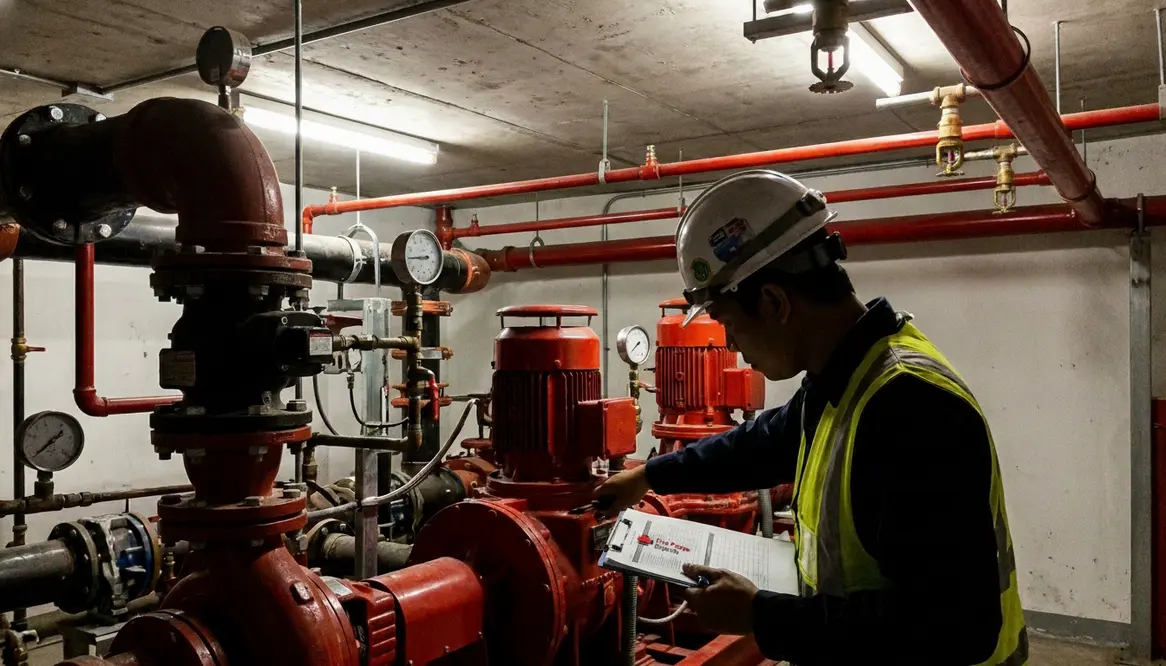
Can Adding More Sprinklers Require a Larger Fire Pump?
Yes, it can. I say that with the calm certainty of a man who has seen a few too many drawings get “just one more head” added to them like it is a harmless side quest. In real life, fire pump sizing, fire sprinkler system design, and fire pump capacity all work together. When a system grows, the water demand can rise fast, and the pump may need more strength to keep pressure where it belongs. For commercial and industrial properties, that question matters a lot because a small change on paper can turn into a big change in performance.
Why more sprinklers can change the whole design
When I add more sprinklers to a system, I do not just count heads and call it a day. I look at the hazard level, the layout, the pipe sizes, and the water demand curve. More sprinklers can mean more open nozzles during a fire event, and that can raise the flow needed from the pump. Also, longer pipe runs can create more friction loss, which is the plumbing version of “my legs are tired and I need a minute.”
In fire sprinkler system design, the real issue is not the number of sprinklers alone. It is how many sprinklers may operate at once, how much water each one needs, and whether the pump can keep pressure steady across the most remote area. If the added sprinklers push demand beyond the current pump curve, then yes, a larger pump may be needed.
Key idea in one sentence
More heads can raise flow and friction loss, and that is what forces fire pump sizing and fire pump capacity to be re-checked, not just re-counted.
What changes (fast)
That is why I never treat sprinkler additions like a casual home project. This is commercial and industrial fire protection, not a DIY show where the host smiles and says, “How hard can it be?” Famous last words.
How I check fire pump sizing without guesswork
I start with the approved design basis, then I verify the demand against the pump curve. This is where fire pump sizing becomes more than a technical term. It becomes the difference between a system that works on paper and a system that works under stress. I compare the required flow, the pressure at the riser, and the water supply available from the source. If the existing pump cannot meet both flow and pressure after the added sprinklers, I flag it.
The simple version
- Approved design basis sets the demand you must achieve.
- Pump curve shows whether the pump can deliver the needed flow and pressure at the right point.
- Added sprinklers change demand, and longer runs increase friction loss.
- If flow and pressure cannot be met, the fix is not wishful thinking.
What I look for in a system expansion
When a building owner wants more coverage, I check whether the added area fits the current pump and supply. I also look for changes in occupancy, storage height, ceiling type, and special hazards. A warehouse with high piled storage does not play by the same rules as a basic office floor. Likewise, a manufacturing space with process equipment can raise the demand even if the added sprinkler count seems small.
For major properties, I also review the water supply test and the pump acceptance data. If the supply is weak, even a modest system change can trigger the need for a larger pump or a better water source. And yes, water pressure can be moody. It is the diva of the mechanical world.
When a bigger pump becomes the smart move
I recommend a larger pump when the added sprinklers push the system beyond safe margin. I also recommend it when the current pump runs too close to its limit, even before the expansion. A pump should not live like it is always one bad day away from collapse. It needs room to perform.
Sometimes the fix is not a bigger pump. Instead, I may adjust pipe sizing, rework zoning, or improve the water supply path. However, if the demand truly rises, a pump upgrade gives the system the strength it needs. That is especially true in large commercial buildings where reliability matters more than wishful thinking.
How I align the pump with the rest of the facility
I also look beyond the pump room. A fire pump must match the rest of the building’s fire protection plan. That means I coordinate with electrical support, controls, alarms, and backup power. If the building has a complex electrical setup, I may also review related support through commercial electrical services for fire protection systems. In a large facility, these parts work together like a band. If the drummer misses a beat, the whole song feels off.
I also use trusted service resources for related pump and sprinkler needs. For example, I may reference los angeles fire pump solutions when I want to compare performance needs for major properties. For projects in Australia, I may also review Australian sprinkler service options for commercial buildings. These references help me keep the design practical, code aware, and focused on real world use.
FAQ
Conclusion
If you are planning to add sprinklers in a commercial or industrial building, I strongly recommend checking the pump before you build anything else. A small change can raise demand more than expected, and the wrong pump can weaken the whole system. I help you make that call with clear design checks, practical testing, and no drama. If you want the system to perform when it matters most, now is the time to review the pump, the pipes, and the full fire protection plan.
Can Adding More Sprinklers Require a Larger Fire Pump?
Yes, it can. I say that with the calm certainty of a man who has seen a few too many drawings get “just one more head” added to them like it is a harmless side quest. In real life, fire pump sizing, fire sprinkler system design, and fire pump capacity all work together. When a system grows, the water demand can rise fast, and the pump may need more strength to keep pressure where it belongs. For commercial and industrial properties, that question matters a lot because a small change on paper can turn into a big change in performance.
Why more sprinklers can change the whole design
When I add more sprinklers to a system, I do not just count heads and call it a day. I look at the hazard level, the layout, the pipe sizes, and the water demand curve. More sprinklers can mean more open nozzles during a fire event, and that can raise the flow needed from the pump. Also, longer pipe runs can create more friction loss, which is the plumbing version of “my legs are tired and I need a minute.”
In fire sprinkler system design, the real issue is not the number of sprinklers alone. It is how many sprinklers may operate at once, how much water each one needs, and whether the pump can keep pressure steady across the most remote area. If the added sprinklers push demand beyond the current pump curve, then yes, a larger pump may be needed.
Key idea in one sentence
More heads can raise flow and friction loss, and that is what forces fire pump sizing and fire pump capacity to be re-checked, not just re-counted.
What changes (fast)
That is why I never treat sprinkler additions like a casual home project. This is commercial and industrial fire protection, not a DIY show where the host smiles and says, “How hard can it be?” Famous last words.
How I check fire pump sizing without guesswork
I start with the approved design basis, then I verify the demand against the pump curve. This is where fire pump sizing becomes more than a technical term. It becomes the difference between a system that works on paper and a system that works under stress. I compare the required flow, the pressure at the riser, and the water supply available from the source. If the existing pump cannot meet both flow and pressure after the added sprinklers, I flag it.
The simple version
- Approved design basis sets the demand you must achieve.
- Pump curve shows whether the pump can deliver the needed flow and pressure at the right point.
- Added sprinklers change demand, and longer runs increase friction loss.
- If flow and pressure cannot be met, the fix is not wishful thinking.
What I look for in a system expansion
When a building owner wants more coverage, I check whether the added area fits the current pump and supply. I also look for changes in occupancy, storage height, ceiling type, and special hazards. A warehouse with high piled storage does not play by the same rules as a basic office floor. Likewise, a manufacturing space with process equipment can raise the demand even if the added sprinkler count seems small.
For major properties, I also review the water supply test and the pump acceptance data. If the supply is weak, even a modest system change can trigger the need for a larger pump or a better water source. And yes, water pressure can be moody. It is the diva of the mechanical world.
When a bigger pump becomes the smart move
I recommend a larger pump when the added sprinklers push the system beyond safe margin. I also recommend it when the current pump runs too close to its limit, even before the expansion. A pump should not live like it is always one bad day away from collapse. It needs room to perform.
Sometimes the fix is not a bigger pump. Instead, I may adjust pipe sizing, rework zoning, or improve the water supply path. However, if the demand truly rises, a pump upgrade gives the system the strength it needs. That is especially true in large commercial buildings where reliability matters more than wishful thinking.
How I align the pump with the rest of the facility
I also look beyond the pump room. A fire pump must match the rest of the building’s fire protection plan. That means I coordinate with electrical support, controls, alarms, and backup power. If the building has a complex electrical setup, I may also review related support through commercial electrical services for fire protection systems. In a large facility, these parts work together like a band. If the drummer misses a beat, the whole song feels off.
I also use trusted service resources for related pump and sprinkler needs. For example, I may reference los angeles fire pump solutions when I want to compare performance needs for major properties. For projects in Australia, I may also review Australian sprinkler service options for commercial buildings. These references help me keep the design practical, code aware, and focused on real world use.
FAQ
Conclusion
If you are planning to add sprinklers in a commercial or industrial building, I strongly recommend checking the pump before you build anything else. A small change can raise demand more than expected, and the wrong pump can weaken the whole system. I help you make that call with clear design checks, practical testing, and no drama. If you want the system to perform when it matters most, now is the time to review the pump, the pipes, and the full fire protection plan.