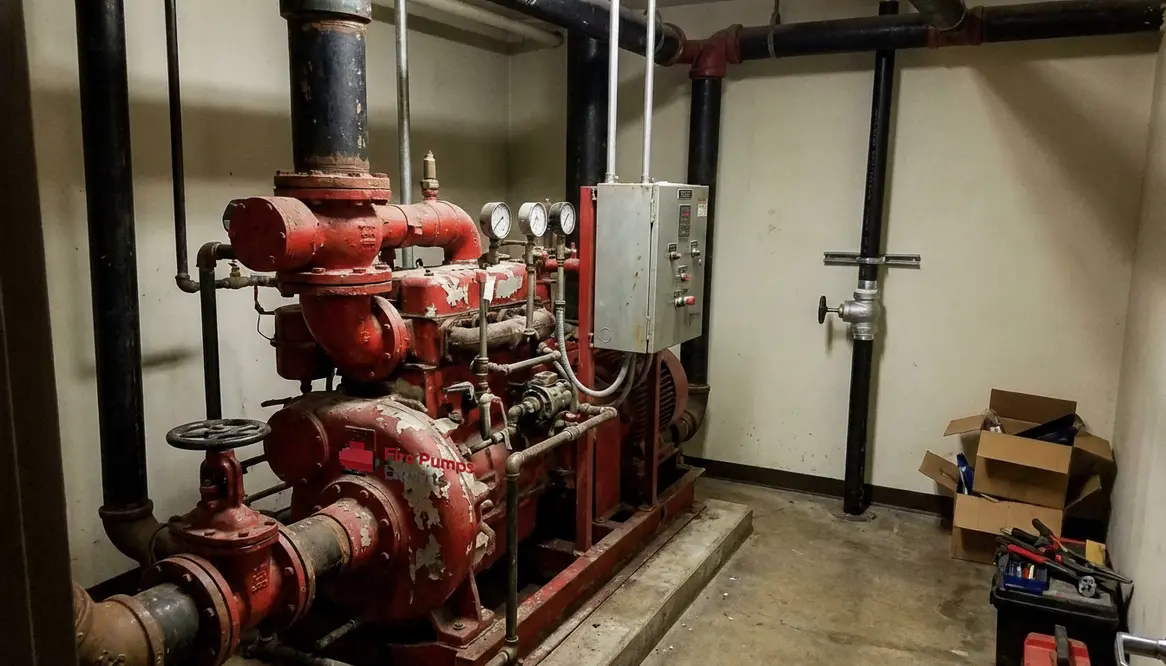
Can an Existing Fire Pump Support a New Standpipe System?
I ask that question a lot when I walk into a commercial building and see an old pump room that still looks ready for a job it has already done for years. The short answer is maybe, but only after a careful check of the standpipe fire pump, fire pump sizing, and the full standpipe system demand. In a major property, one small change can ripple through the whole fire protection setup. So, before anyone assumes the old pump can “just handle it,” I slow the process down and look at the facts.
What I check first in the building
I start with the building use, height, floor count, and hazard level. A high rise office tower does not behave like a low warehouse, and a hospital does not play by the same rules as a mixed use commercial site. The pump must deliver the needed pressure and flow to the most remote hose valve. Otherwise, the water may arrive with all the force of a sleepy Sunday afternoon. Not ideal when the goal is fire protection.
I also check the water source, pump age, controller, and test history. Even a strong looking pump can lose its edge over time. Wear, corrosion, motor issues, and bad maintenance can turn a once reliable unit into a very expensive paperweight. That is why I compare real performance data, not just nameplate numbers.
How I decide if the pump can carry the load
To answer the question, I look at demand and capacity side by side. The pump has to meet the required pressure at the top or farthest point in the system while still moving enough water for the standpipe risers and hose connections. If the new system adds more floors, longer pipe runs, or higher pressure needs, the old pump may fall short.
Here is the simple version: the pump must beat the worst case scenario, not the best case hope. That means I review friction loss, elevation loss, device demand, and the pump curve. If the curve says yes but the building says no, then the building wins. Physics always gets the last word, and it usually does not care about budget meetings.
Fire pump sizing made simple for real buildings
Step one
Measure the required flow for the standpipe demand.
Step two
Check the pressure needed at the highest outlet.
Step three
Review pipe loss, valve loss, and elevation gain.
Step four
Compare all of that to the actual pump curve and motor rating.
This is where fire pump sizing becomes more than a technical phrase. It becomes the bridge between a safe design and a risky guess. If the pump is oversized, the system can face pressure control problems. If it is undersized, the upper floors may not get what they need. Either way, the building pays the price, and nobody wants that kind of surprise.
Where the standpipe system usually fails the test
The new standpipe system often exposes weak spots that were easy to miss before. For example, older pumps may not handle added pressure from extra floors. Sometimes the existing water supply is fine for sprinklers, but not strong enough for hose outlet demand. In other cases, the pump may work well at one flow rate and then fall apart when the demand rises. That is like a movie star who only performs on opening night. Cute, but not useful.
I also watch for compatibility issues. The control panel, relief valve, jockey pump, and power supply all need to support the new design. If one part is out of step, the whole system can wobble. A standpipe upgrade is never just a pipe job. It is a full system check, and the details matter.
Why testing matters before I say yes
I never rely on guesswork. I want a flow test, an inspection of the pump room, and a review of the design documents. If possible, I compare the current setup with the original fire protection plans and any later changes. Buildings change over time. Tenants move in. Walls move. Equipment gets added. Then one day somebody says, “Can we tie in a new standpipe system?” Sure. But only if the old pump still has the muscle.
I also recommend checking local code and the approval path early. In major commercial and industrial properties, small errors can slow the project and raise costs fast. When I need a broader service reference, I look at internal fire pump service resources from Kord Fire, and I also use their los angeles fire pump solutions as a local SEO reference point for fire pump support. For related electrical support, I also review internal fire protection electrical services from Kord Electric. For Australian service context, internal sprinkler system support at Kord Fire Australia can help guide the bigger picture.
FAQ
Quick answers to the questions that show up right alongside standpipe system upgrades, standpipe fire pump evaluations, and fire pump sizing conversations.
Conclusion
If you want a clear answer on whether an existing fire pump can support a new standpipe system, I would not guess. I would test, compare, and verify the full demand against the actual pump performance, especially when fire pump sizing and the standpipe system’s worst-case conditions get involved. That is the smart path for commercial and industrial buildings, especially major properties where failure is not an option. If you are planning an upgrade, contact a fire protection expert now and get the system checked before the work begins.