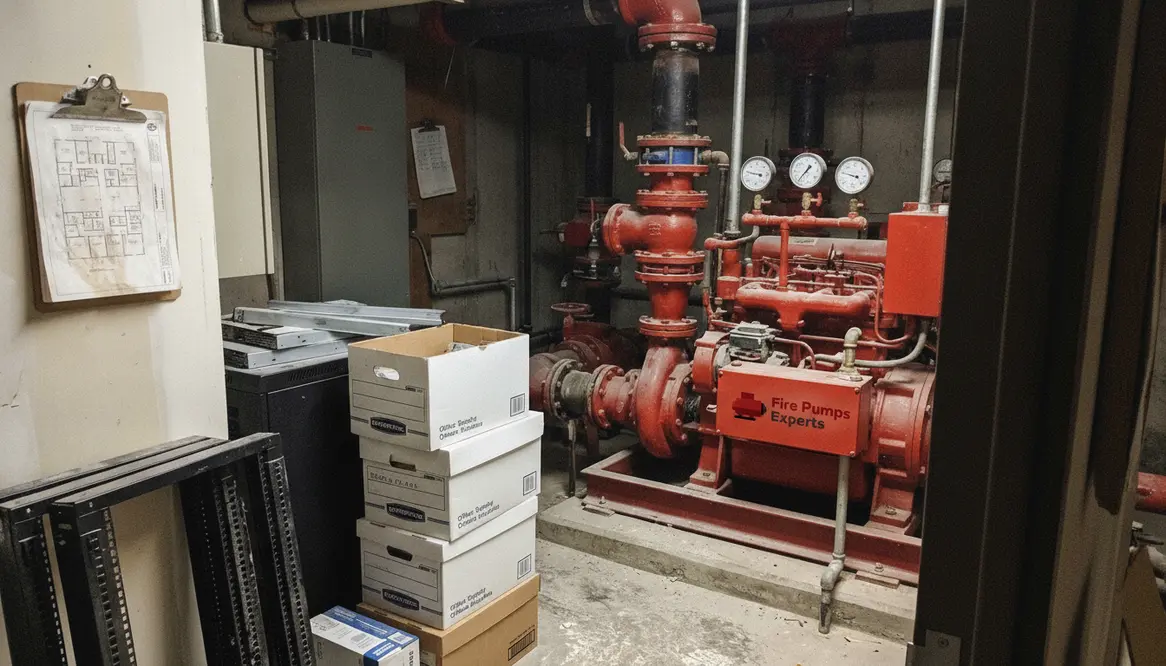
Fire Pump Re Evaluation for Change of Use
When a Building Change of Use Requires Fire Pump Re Evaluation
I have seen it many times: a building starts life as one thing, then shifts into something else, and suddenly the fire system that once fit like a glove feels a little too small for the job. That is where fire pump requirements, fire protection requirements, and fire pump sizing enter the story. A change of use can reshape water demand, hazard level, occupant load, and sprinkler needs. In plain terms, what worked for a warehouse may not work for a data center, hospital wing, or high rise office tower. Fire protection is not the place to guess. It is the place to check, measure, and verify before the building starts acting like a different beast.
What a change of use really means for fire protection
When I look at a change of use, I do not just ask what the tenant wants to do. I ask what the building now does to the fire system. A shift from light storage to heavy storage, from office space to assembly use, or from one industrial process to another can raise sprinkler demand fast. As a result, the fire pump may need a new review.
That review matters because the pump must support the worst case scenario in the new layout. If the hazard level rises, the system may need more flow, more pressure, or both. In some cases, the old pump still works. In others, it becomes the weak link. And nobody wants the fire protection plan to fail like a sequel nobody asked for.
Signs I look for before I recommend re evaluation
I start with the basics and move deeper from there. If any of the following change, I pause and review the pump:
- Occupancy type changes from low hazard to higher hazard use
- Building area expands or the layout changes in a major way
- Sprinkler density or hose demand goes up
- Water supply conditions no longer match the original design
- New equipment adds fire load or process risk
- The building adds height, storage racks, or critical rooms
Then I compare the current system against the new demand. This is where fire pump requirements become more than a document on a shelf. They become a live test of whether the building still has enough protection to do the job.
Fire pump sizing and the new demand curve
Fire pump sizing is not a one time guess. It depends on the building use, sprinkler design, water supply, pressure loss, and system type. So when a property changes use, I recheck the curve. If the pump was sized for a modest office and the building now supports a dense industrial process, the old numbers may no longer hold up.
Here is the simple version. I look at how much water the system needs and how much pressure it loses on the way to the most remote area. Then I compare that need with what the pump can truly deliver. If the gap grows, the pump has to be re evaluated. That is true even if the pump still starts and runs. A fire pump that runs but cannot supply the right demand is a bit like a superhero with a flat battery. Nice cape, wrong ending.
How I check the building against the new use
I usually work through the change in a clear order. First, I identify the new hazard class. Next, I check the sprinkler design criteria. Then I review the water supply and system losses. After that, I confirm whether the fire pump still meets the required flow and pressure.
| Change in building use | What I review |
| Office to archive storage | Storage density, sprinkler demand, and pump pressure |
| Warehouse to light manufacturing | Process risk, hose demand, and water supply |
| Retail to assembly use | Occupant load, code path, and system coverage |
| High rise tenant fit out | Vertical pressure loss and pump performance |
This kind of review helps me spot trouble before it turns into a code issue or, worse, a real fire problem. It also keeps the project moving instead of stalling at the last minute, which is where deadlines go to sulk.
When I bring in outside support
For commercial and industrial facilities, and for major property buildings, I often bring in specialists when the change of use creates uncertainty. A fire pump review may need testing, system checks, or a fresh design look. In those cases, I rely on trusted resources like los angeles fire pump services for deeper pump related guidance. I also look at related building systems through Kord Electric when power and controls affect pump reliability. If the project touches sprinkler scope or broader fire protection service needs, I review fire sprinkler services as part of the full picture.
FAQ
Conclusion
When a building changes use, I treat the fire pump as part of the building’s new identity, not its old memory. That means I verify demand, review performance, and confirm the system still matches the current risk. If your commercial, industrial, or major property building has changed use, do not wait for a problem to speak first. Get the pump re evaluated now, protect the asset, and keep the whole fire protection plan working with confidence. Quiet buildings are nice. Safe buildings are better.