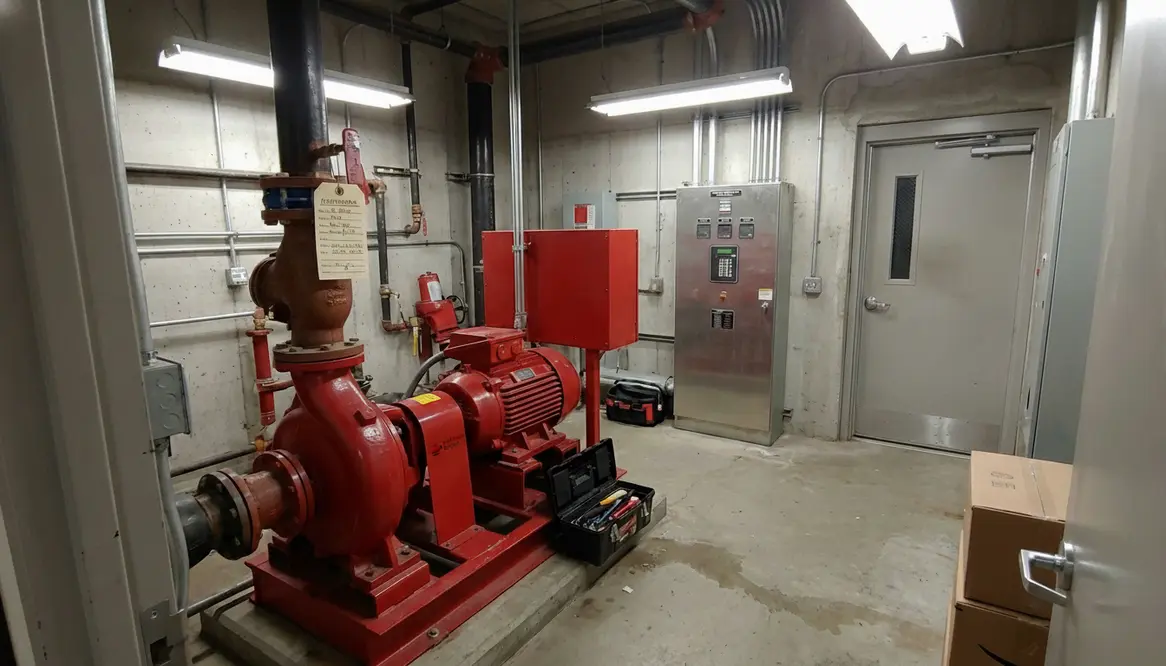
Canadian Fire Pump Room Requirements Guide
Canadian Fire Pump Room Requirements Overview
I have learned that a fire pump room is one of those quiet heroes in a building. It does not get applause, and it definitely does not win beauty contests. Still, when a sprinkler system needs pressure fast, this room steps in like the reliable sidekick in a Batman movie. In Canadian room planning, I focus on one thing first: keeping commercial and industrial buildings ready for a fire event without delay, confusion, or code trouble. That means the room must support the pump, protect the equipment, and stay easy to access when the heat is on, literally and legally.
In Canada, the rules for a fire pump room often tie back to the building code, fire code, and related standards. So, I always tell owners and facility teams to treat this space as mission critical. A sloppy room can create a sloppy response, and nobody wants that plot twist.
What a Canadian fire pump room must do
First, I look at purpose. A fire pump room must hold the fire pump, driver, controller, and support gear in a protected space. It also needs enough room for service, testing, and emergency use. In major commercial and industrial properties, that space must stay reliable every day, not only during inspections when everyone suddenly remembers where the breaker panel lives.
Next, I check accessibility. The room must allow trained staff and fire service personnel to reach the equipment fast. Doors should stay clear, and the route should not feel like an obstacle course. Also, the room should support safe operation during a fire, which means the layout must avoid extra risks from heat, smoke, flood, or impact.
Room layout and access rules I check first
When I review a fire pump room in Canada, I start with the layout. The room needs enough space around the pump and controller for inspection, repair, and replacement. I also make sure the area does not get used as a storage closet for old chairs, mystery boxes, or that one pallet no one claims. Fire equipment should not share space with clutter.
Here is how I usually break it down:
Equipment placement
The pump and controller should sit in a location that supports safe service and quick access. In addition, the room should allow clear movement around all sides needed for maintenance.
Door and entry access
The room should have a direct and easy path in and out. Therefore, I check that doors open without delay and that access stays free from locked storage habits that only create drama during emergencies.
Environmental protection
The room should stay dry, warm enough, and protected from damage. Also, I look for good drainage, flood control, and protection from freezing conditions where needed.
Life safety, power, and building support
Now we get into the part where the invisible details matter. A fire pump room must support dependable operation, so I always pay close attention to power, ventilation, and safety systems. If the pump loses support, the whole fire protection setup can suffer. That is not a fun surprise, and unlike a bad sequel, this one can cost a lot.
The room should have proper power supply and control systems. It should also keep essential equipment protected from overheating and poor air flow. In many major properties, backup power and monitoring also matter because fire protection cannot take a coffee break when the grid has a mood swing.
Fire pump room requirements in a simple two column view
Area
Access
Space
Protection
Power
Maintenance
What I check
Clear entry, safe route, no storage blocking the room
Enough room around equipment for service and testing
Dry conditions, flood control, and safe room construction
Reliable electrical supply and control support
Easy inspection, repair, and testing access
Inspection, testing, and upkeep in commercial and industrial buildings
I treat maintenance as part of the design, not an afterthought. A good fire pump room must let staff inspect and test the system without friction. If testing feels awkward, then the room probably needs attention. And since commercial and industrial facilities rely on uptime, I want the process to be clean, simple, and repeatable.
Regular checks should cover the pump, controller, valves, alarms, power source, and room condition. In addition, any signs of corrosion, leaks, blocked access, or temperature problems need quick action. Fire protection systems age like everyone else. They just look less charming while doing it.
I also recommend linking the room design and maintenance plan to a trusted industry resource. For example, a facility team can review Canadian fire pump room guidance for commercial and industrial facilities as part of a broader compliance and planning process. That kind of reference helps keep the project focused on major properties, where the stakes stay high and the margin for error stays low.
How I help owners stay compliant and ready
I always push for a full review before problems show up. That means checking code needs, room condition, system access, and long term service planning. Furthermore, I want the fire pump room to support the building’s real world use, not just pass a paper review and hope for the best.
When owners plan early, they avoid expensive fixes later. They also reduce risk for tenants, staff, and operations. In other words, a well planned Canadian fire pump room saves time, lowers stress, and keeps the building ready when it matters most.
This is where disciplined Canadian room planning quietly pays off. The better the layout, access, and protection, the easier it is for a facility team to stay confident during inspections and calm during real emergencies.
Putting Canadian room planning into practice
In practical terms, planning a Canadian fire pump room means treating it like a core building system instead of a forgotten mechanical corner. That includes early coordination between designers, contractors, maintenance staff, and anyone who will actually use the space when the alarms start talking.
I look at door width, corridor routes, and even how replacement pumps might be moved in years from now. I look at how noise and vibration might affect nearby tenants. I also pay attention to how clearly the room is labeled and how obvious it is to locate on a chaotic day. A smart Canadian room layout does not leave anyone wandering the halls while the fire pump is waiting for help.
Good documentation keeps that planning alive. Clear drawings, operating instructions, and maintenance records give owners and inspectors a shared reference point. When those records match what is actually installed in the Canadian room, everyone sleeps better.
FAQ
Conclusion
If I want a fire pump room to do its job, I plan it like it matters, because it does. I check access, power, protection, and upkeep with care, and I keep the focus on commercial and industrial buildings where the risk is real. If you manage a major property and want a practical path to compliance and better readiness, now is the time to review your Canadian fire pump room setup and take action before trouble starts.
Treating the Canadian room as a strategic asset instead of a forgotten utility corner gives owners better control over risk, budget, and long term operations. When a fire event tests the system, that quiet little room proves exactly how much it mattered all along.