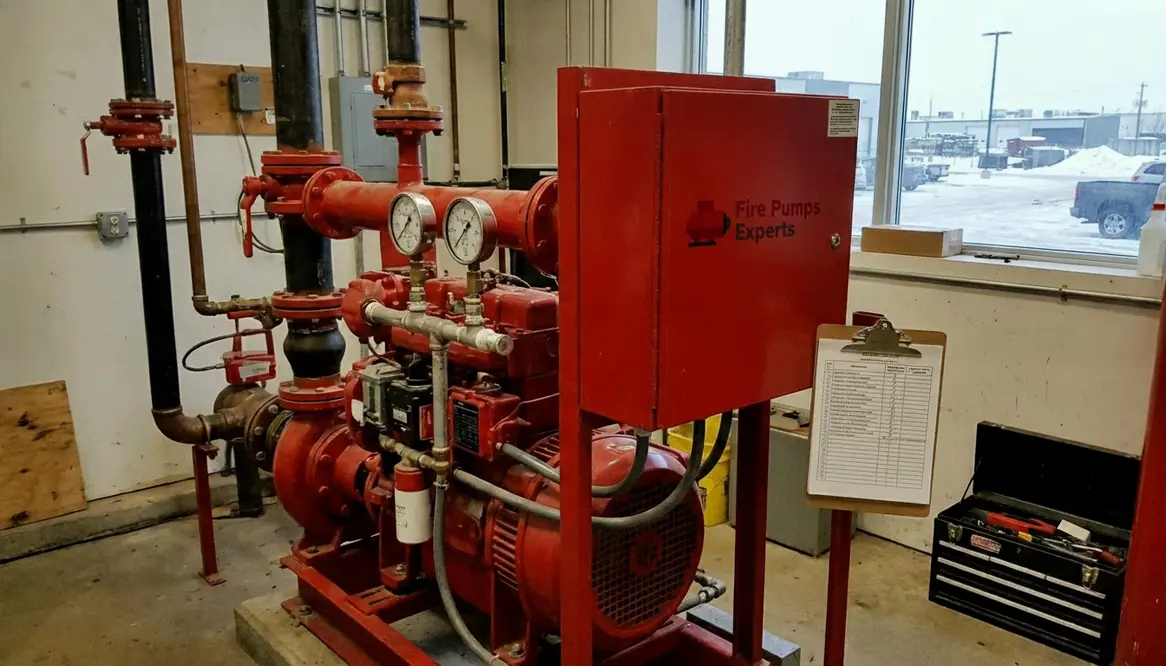
Bearings, seals, control panels, and pump alignment
Spare parts availability and clear service access
Diesel fuel systems that do not sit stale and forgotten
Why records matter
Just as important, I make sure service work follows the manufacturer instructions and the applicable code. That includes inspection intervals, repair documentation, and corrective action after any failure. Good records help me show due diligence, and they help the building owner stay ready for the next inspection.
How I avoid common fire pump compliance mistakes
Most problems come from the same few places. The pump is undersized. The room is cramped. The testing is late. The logbook is missing pages. The control panel looks like it was wired by someone in a hurry and a bad mood. I have seen all of it.
Design and construction phase
To avoid those mistakes, I start early during design and keep code review active through installation and commissioning. I also involve the right people, including the engineer, installer, testing team, and building operations staff. When everyone knows the plan, the project moves smoother and the building stays safer.
The real payoff
For owners of major commercial and industrial sites, that means less risk, fewer surprises, and better long term performance. That is the real win. Not the shiny sticker. The working system.
Handled properly, Canadian compliance turns into a steady rhythm: design to code, install to code, test to code, and maintain to code. Simple on paper, but powerful in practice.
FAQ
What is Canadian fire pump compliance?
It means the pump system meets the code, standard, and local authority rules for safe fire protection. In practical terms, it confirms that the fire pump can deliver the required flow and pressure to support sprinklers, standpipes, and other life safety systems under Canadian compliance rules.
How often should a fire pump be tested?
I follow the required inspection and test schedule, which usually includes weekly, monthly, and annual checks. Weekly or monthly tests confirm the pump starts and runs, while annual flow tests confirm that performance still matches the system demand and Canadian compliance expectations.
Who needs fire pump code compliance?
Commercial buildings, industrial facilities, and major properties that rely on fire pumps for sprinkler or standpipe systems all need fire pump code compliance. If the building depends on a pump for water-based fire protection, it is pulled into the same Canadian compliance framework for design, testing, and maintenance.
What happens if a fire pump fails inspection?
The owner must fix the issue fast, retest the system, and document the repair before the system returns to service. Failed inspections can trigger follow-up visits, insurance questions, and even operational restrictions until the system is brought back into Canadian compliance.
Why is record keeping important for fire pumps?
Record keeping proves the system has been inspected, tested, and maintained according to code and manufacturer rules. Good logs back up Canadian compliance, support insurance and audit reviews, and help technicians spot trends like slowly falling performance or recurring faults before they turn into failures.
Conclusion
If you manage a commercial, industrial, or major property building, I recommend treating fire pump compliance as a live part of your safety plan, not a dusty file in a cabinet. Review the system, test it on schedule, and correct weak spots before they turn into shutdowns or failures.
If you need support with Canadian fire pump code compliance, now is the time to act. Get your system checked, your records cleaned up, and your building ready. Canadian compliance works best when it is treated as a routine habit, not a last-minute scramble before an inspector walks through the door.
Canadian compliance in maintenance and record keeping
Maintenance keeps the system honest. I always tell people that a fire pump is not a “set it and forget it” machine. It needs checks, servicing, and records that show exactly what happened and when. If I cannot trace the history, I cannot prove the system has stayed in code shape.
What I keep an eye on
Battery condition, fuel quality, and belt wear
Bearings, seals, control panels, and pump alignment
Spare parts availability and clear service access
Diesel fuel systems that do not sit stale and forgotten
Why records matter
Just as important, I make sure service work follows the manufacturer instructions and the applicable code. That includes inspection intervals, repair documentation, and corrective action after any failure. Good records help me show due diligence, and they help the building owner stay ready for the next inspection.
How I avoid common fire pump compliance mistakes
Most problems come from the same few places. The pump is undersized. The room is cramped. The testing is late. The logbook is missing pages. The control panel looks like it was wired by someone in a hurry and a bad mood. I have seen all of it.
Design and construction phase
To avoid those mistakes, I start early during design and keep code review active through installation and commissioning. I also involve the right people, including the engineer, installer, testing team, and building operations staff. When everyone knows the plan, the project moves smoother and the building stays safer.
The real payoff
For owners of major commercial and industrial sites, that means less risk, fewer surprises, and better long term performance. That is the real win. Not the shiny sticker. The working system.
Handled properly, Canadian compliance turns into a steady rhythm: design to code, install to code, test to code, and maintain to code. Simple on paper, but powerful in practice.
FAQ
Conclusion
If you manage a commercial, industrial, or major property building, I recommend treating fire pump compliance as a live part of your safety plan, not a dusty file in a cabinet. Review the system, test it on schedule, and correct weak spots before they turn into shutdowns or failures.
If you need support with Canadian fire pump code compliance, now is the time to act. Get your system checked, your records cleaned up, and your building ready. Canadian compliance works best when it is treated as a routine habit, not a last-minute scramble before an inspector walks through the door.
Testing is where the truth comes out. A system can look perfect on paper, yet still fail when the pressure drops. That is why I care so much about acceptance testing, weekly or monthly checks, annual flow tests, and maintenance logs. These records prove the system can actually do the job.
For commercial and industrial facilities, I focus on performance under real conditions. I want to know the pump starts when it should, reaches the right pressure, and keeps going without drama. I also look for vibration, overheating, leaks, controller issues, and weak suction. If the test data starts telling a sad story, I do not ignore it. I fix the problem before it becomes a fire department problem.
In addition, regular testing supports insurance review, audit readiness, and long term asset care. That sounds dry, I know, but so does “routine prevention” until a building gets shut down for noncompliance. Suddenly, the paperwork feels very lively.
If you need structured performance data, resources like https://firepumps.org can help you better understand test curves, flow points, and overall performance expectations tied to Canadian compliance.
Canadian compliance in maintenance and record keeping
Maintenance keeps the system honest. I always tell people that a fire pump is not a “set it and forget it” machine. It needs checks, servicing, and records that show exactly what happened and when. If I cannot trace the history, I cannot prove the system has stayed in code shape.
What I keep an eye on
Battery condition, fuel quality, and belt wear
Bearings, seals, control panels, and pump alignment
Spare parts availability and clear service access
Diesel fuel systems that do not sit stale and forgotten
Why records matter
Just as important, I make sure service work follows the manufacturer instructions and the applicable code. That includes inspection intervals, repair documentation, and corrective action after any failure. Good records help me show due diligence, and they help the building owner stay ready for the next inspection.
How I avoid common fire pump compliance mistakes
Most problems come from the same few places. The pump is undersized. The room is cramped. The testing is late. The logbook is missing pages. The control panel looks like it was wired by someone in a hurry and a bad mood. I have seen all of it.
Design and construction phase
To avoid those mistakes, I start early during design and keep code review active through installation and commissioning. I also involve the right people, including the engineer, installer, testing team, and building operations staff. When everyone knows the plan, the project moves smoother and the building stays safer.
The real payoff
For owners of major commercial and industrial sites, that means less risk, fewer surprises, and better long term performance. That is the real win. Not the shiny sticker. The working system.
Handled properly, Canadian compliance turns into a steady rhythm: design to code, install to code, test to code, and maintain to code. Simple on paper, but powerful in practice.
FAQ
Conclusion
If you manage a commercial, industrial, or major property building, I recommend treating fire pump compliance as a live part of your safety plan, not a dusty file in a cabinet. Review the system, test it on schedule, and correct weak spots before they turn into shutdowns or failures.
If you need support with Canadian fire pump code compliance, now is the time to act. Get your system checked, your records cleaned up, and your building ready. Canadian compliance works best when it is treated as a routine habit, not a last-minute scramble before an inspector walks through the door.
Why testing matters in Canadian compliance for major properties
Testing is where the truth comes out. A system can look perfect on paper, yet still fail when the pressure drops. That is why I care so much about acceptance testing, weekly or monthly checks, annual flow tests, and maintenance logs. These records prove the system can actually do the job.
For commercial and industrial facilities, I focus on performance under real conditions. I want to know the pump starts when it should, reaches the right pressure, and keeps going without drama. I also look for vibration, overheating, leaks, controller issues, and weak suction. If the test data starts telling a sad story, I do not ignore it. I fix the problem before it becomes a fire department problem.
In addition, regular testing supports insurance review, audit readiness, and long term asset care. That sounds dry, I know, but so does “routine prevention” until a building gets shut down for noncompliance. Suddenly, the paperwork feels very lively.
If you need structured performance data, resources like https://firepumps.org can help you better understand test curves, flow points, and overall performance expectations tied to Canadian compliance.
Canadian compliance in maintenance and record keeping
Maintenance keeps the system honest. I always tell people that a fire pump is not a “set it and forget it” machine. It needs checks, servicing, and records that show exactly what happened and when. If I cannot trace the history, I cannot prove the system has stayed in code shape.
What I keep an eye on
Battery condition, fuel quality, and belt wear
Bearings, seals, control panels, and pump alignment
Spare parts availability and clear service access
Diesel fuel systems that do not sit stale and forgotten
Why records matter
Just as important, I make sure service work follows the manufacturer instructions and the applicable code. That includes inspection intervals, repair documentation, and corrective action after any failure. Good records help me show due diligence, and they help the building owner stay ready for the next inspection.
How I avoid common fire pump compliance mistakes
Most problems come from the same few places. The pump is undersized. The room is cramped. The testing is late. The logbook is missing pages. The control panel looks like it was wired by someone in a hurry and a bad mood. I have seen all of it.
Design and construction phase
To avoid those mistakes, I start early during design and keep code review active through installation and commissioning. I also involve the right people, including the engineer, installer, testing team, and building operations staff. When everyone knows the plan, the project moves smoother and the building stays safer.
The real payoff
For owners of major commercial and industrial sites, that means less risk, fewer surprises, and better long term performance. That is the real win. Not the shiny sticker. The working system.
Handled properly, Canadian compliance turns into a steady rhythm: design to code, install to code, test to code, and maintain to code. Simple on paper, but powerful in practice.
FAQ
Conclusion
If you manage a commercial, industrial, or major property building, I recommend treating fire pump compliance as a live part of your safety plan, not a dusty file in a cabinet. Review the system, test it on schedule, and correct weak spots before they turn into shutdowns or failures.
If you need support with Canadian fire pump code compliance, now is the time to act. Get your system checked, your records cleaned up, and your building ready. Canadian compliance works best when it is treated as a routine habit, not a last-minute scramble before an inspector walks through the door.
Water supply and pump room
I always begin at the source. The water supply must be reliable, and the pump must sit in a proper room or space with enough access, ventilation, drainage, and protection from damage. If the pump room feels like an afterthought, it probably is. And that is never a good sign.
Pump type and supporting components
Next, I look at the pump type. Common options include electric and diesel fire pumps. Electric pumps need dependable power and proper controller wiring. Diesel pumps need fuel supply, cooling, exhaust handling, and regular starting tests. Either way, I make sure the equipment fits the building’s fire protection needs and local code requirements.
Then I check the valves, gauges, suction piping, discharge piping, and alarm connections. These parts must work together cleanly. A pump is not a solo artist. It is more like the rest of the band, and if the drummer misses a beat, the whole show gets weird fast.
Dual column view of the main compliance checks
Area I review
What I look for
Water supply
Enough flow, stable pressure, and proper source protection
Pump room
Access, ventilation, heat control, drainage, and security
Pump unit
Correct size, type, listing, and installation
Controls
Reliable start, alarm, and monitoring functions
Piping and valves
Proper layout, support, labeling, and test points
Why testing matters in Canadian compliance for major properties
Testing is where the truth comes out. A system can look perfect on paper, yet still fail when the pressure drops. That is why I care so much about acceptance testing, weekly or monthly checks, annual flow tests, and maintenance logs. These records prove the system can actually do the job.
For commercial and industrial facilities, I focus on performance under real conditions. I want to know the pump starts when it should, reaches the right pressure, and keeps going without drama. I also look for vibration, overheating, leaks, controller issues, and weak suction. If the test data starts telling a sad story, I do not ignore it. I fix the problem before it becomes a fire department problem.
In addition, regular testing supports insurance review, audit readiness, and long term asset care. That sounds dry, I know, but so does “routine prevention” until a building gets shut down for noncompliance. Suddenly, the paperwork feels very lively.
If you need structured performance data, resources like https://firepumps.org can help you better understand test curves, flow points, and overall performance expectations tied to Canadian compliance.
Canadian compliance in maintenance and record keeping
Maintenance keeps the system honest. I always tell people that a fire pump is not a “set it and forget it” machine. It needs checks, servicing, and records that show exactly what happened and when. If I cannot trace the history, I cannot prove the system has stayed in code shape.
What I keep an eye on
Battery condition, fuel quality, and belt wear
Bearings, seals, control panels, and pump alignment
Spare parts availability and clear service access
Diesel fuel systems that do not sit stale and forgotten
Why records matter
Just as important, I make sure service work follows the manufacturer instructions and the applicable code. That includes inspection intervals, repair documentation, and corrective action after any failure. Good records help me show due diligence, and they help the building owner stay ready for the next inspection.
How I avoid common fire pump compliance mistakes
Most problems come from the same few places. The pump is undersized. The room is cramped. The testing is late. The logbook is missing pages. The control panel looks like it was wired by someone in a hurry and a bad mood. I have seen all of it.
Design and construction phase
To avoid those mistakes, I start early during design and keep code review active through installation and commissioning. I also involve the right people, including the engineer, installer, testing team, and building operations staff. When everyone knows the plan, the project moves smoother and the building stays safer.
The real payoff
For owners of major commercial and industrial sites, that means less risk, fewer surprises, and better long term performance. That is the real win. Not the shiny sticker. The working system.
Handled properly, Canadian compliance turns into a steady rhythm: design to code, install to code, test to code, and maintain to code. Simple on paper, but powerful in practice.
FAQ
Conclusion
If you manage a commercial, industrial, or major property building, I recommend treating fire pump compliance as a live part of your safety plan, not a dusty file in a cabinet. Review the system, test it on schedule, and correct weak spots before they turn into shutdowns or failures.
If you need support with Canadian fire pump code compliance, now is the time to act. Get your system checked, your records cleaned up, and your building ready. Canadian compliance works best when it is treated as a routine habit, not a last-minute scramble before an inspector walks through the door.
How I check fire pump installation for Canadian compliance
Water supply and pump room
I always begin at the source. The water supply must be reliable, and the pump must sit in a proper room or space with enough access, ventilation, drainage, and protection from damage. If the pump room feels like an afterthought, it probably is. And that is never a good sign.
Pump type and supporting components
Next, I look at the pump type. Common options include electric and diesel fire pumps. Electric pumps need dependable power and proper controller wiring. Diesel pumps need fuel supply, cooling, exhaust handling, and regular starting tests. Either way, I make sure the equipment fits the building’s fire protection needs and local code requirements.
Then I check the valves, gauges, suction piping, discharge piping, and alarm connections. These parts must work together cleanly. A pump is not a solo artist. It is more like the rest of the band, and if the drummer misses a beat, the whole show gets weird fast.
Dual column view of the main compliance checks
Area I review
What I look for
Water supply
Enough flow, stable pressure, and proper source protection
Pump room
Access, ventilation, heat control, drainage, and security
Pump unit
Correct size, type, listing, and installation
Controls
Reliable start, alarm, and monitoring functions
Piping and valves
Proper layout, support, labeling, and test points
Why testing matters in Canadian compliance for major properties
Testing is where the truth comes out. A system can look perfect on paper, yet still fail when the pressure drops. That is why I care so much about acceptance testing, weekly or monthly checks, annual flow tests, and maintenance logs. These records prove the system can actually do the job.
For commercial and industrial facilities, I focus on performance under real conditions. I want to know the pump starts when it should, reaches the right pressure, and keeps going without drama. I also look for vibration, overheating, leaks, controller issues, and weak suction. If the test data starts telling a sad story, I do not ignore it. I fix the problem before it becomes a fire department problem.
In addition, regular testing supports insurance review, audit readiness, and long term asset care. That sounds dry, I know, but so does “routine prevention” until a building gets shut down for noncompliance. Suddenly, the paperwork feels very lively.
If you need structured performance data, resources like https://firepumps.org can help you better understand test curves, flow points, and overall performance expectations tied to Canadian compliance.
Canadian compliance in maintenance and record keeping
Maintenance keeps the system honest. I always tell people that a fire pump is not a “set it and forget it” machine. It needs checks, servicing, and records that show exactly what happened and when. If I cannot trace the history, I cannot prove the system has stayed in code shape.
What I keep an eye on
Battery condition, fuel quality, and belt wear
Bearings, seals, control panels, and pump alignment
Spare parts availability and clear service access
Diesel fuel systems that do not sit stale and forgotten
Why records matter
Just as important, I make sure service work follows the manufacturer instructions and the applicable code. That includes inspection intervals, repair documentation, and corrective action after any failure. Good records help me show due diligence, and they help the building owner stay ready for the next inspection.
How I avoid common fire pump compliance mistakes
Most problems come from the same few places. The pump is undersized. The room is cramped. The testing is late. The logbook is missing pages. The control panel looks like it was wired by someone in a hurry and a bad mood. I have seen all of it.
Design and construction phase
To avoid those mistakes, I start early during design and keep code review active through installation and commissioning. I also involve the right people, including the engineer, installer, testing team, and building operations staff. When everyone knows the plan, the project moves smoother and the building stays safer.
The real payoff
For owners of major commercial and industrial sites, that means less risk, fewer surprises, and better long term performance. That is the real win. Not the shiny sticker. The working system.
Handled properly, Canadian compliance turns into a steady rhythm: design to code, install to code, test to code, and maintain to code. Simple on paper, but powerful in practice.
FAQ
Conclusion
If you manage a commercial, industrial, or major property building, I recommend treating fire pump compliance as a live part of your safety plan, not a dusty file in a cabinet. Review the system, test it on schedule, and correct weak spots before they turn into shutdowns or failures.
If you need support with Canadian fire pump code compliance, now is the time to act. Get your system checked, your records cleaned up, and your building ready. Canadian compliance works best when it is treated as a routine habit, not a last-minute scramble before an inspector walks through the door.
I start with the big picture. Fire pump systems in Canada must support life safety systems in large commercial and industrial buildings, plus major properties with serious water demand. The code framework usually ties into the National Fire Code of Canada, the National Building Code of Canada, and the standards that govern fire pump design, installation, testing, and maintenance. In practice, I need to confirm that the pump can supply the required flow and pressure for the system it protects. If it cannot, the whole setup becomes about as useful as a sports car stuck in first gear.
First, I verify the building type and hazard level. Then I check the system demand, water supply, pump selection, power source, and controller setup. After that, I make sure the installation matches the approved drawings and local authority requirements. This is where Canadian compliance becomes very real, because one missing detail can lead to failed inspections, delays, and a pile of correction notices that nobody invited to the party.
How I check fire pump installation for Canadian compliance
Water supply and pump room
I always begin at the source. The water supply must be reliable, and the pump must sit in a proper room or space with enough access, ventilation, drainage, and protection from damage. If the pump room feels like an afterthought, it probably is. And that is never a good sign.
Pump type and supporting components
Next, I look at the pump type. Common options include electric and diesel fire pumps. Electric pumps need dependable power and proper controller wiring. Diesel pumps need fuel supply, cooling, exhaust handling, and regular starting tests. Either way, I make sure the equipment fits the building’s fire protection needs and local code requirements.
Then I check the valves, gauges, suction piping, discharge piping, and alarm connections. These parts must work together cleanly. A pump is not a solo artist. It is more like the rest of the band, and if the drummer misses a beat, the whole show gets weird fast.
Dual column view of the main compliance checks
Area I review
What I look for
Water supply
Enough flow, stable pressure, and proper source protection
Pump room
Access, ventilation, heat control, drainage, and security
Pump unit
Correct size, type, listing, and installation
Controls
Reliable start, alarm, and monitoring functions
Piping and valves
Proper layout, support, labeling, and test points
Why testing matters in Canadian compliance for major properties
Testing is where the truth comes out. A system can look perfect on paper, yet still fail when the pressure drops. That is why I care so much about acceptance testing, weekly or monthly checks, annual flow tests, and maintenance logs. These records prove the system can actually do the job.
For commercial and industrial facilities, I focus on performance under real conditions. I want to know the pump starts when it should, reaches the right pressure, and keeps going without drama. I also look for vibration, overheating, leaks, controller issues, and weak suction. If the test data starts telling a sad story, I do not ignore it. I fix the problem before it becomes a fire department problem.
In addition, regular testing supports insurance review, audit readiness, and long term asset care. That sounds dry, I know, but so does “routine prevention” until a building gets shut down for noncompliance. Suddenly, the paperwork feels very lively.
If you need structured performance data, resources like https://firepumps.org can help you better understand test curves, flow points, and overall performance expectations tied to Canadian compliance.
Canadian compliance in maintenance and record keeping
Maintenance keeps the system honest. I always tell people that a fire pump is not a “set it and forget it” machine. It needs checks, servicing, and records that show exactly what happened and when. If I cannot trace the history, I cannot prove the system has stayed in code shape.
What I keep an eye on
Battery condition, fuel quality, and belt wear
Bearings, seals, control panels, and pump alignment
Spare parts availability and clear service access
Diesel fuel systems that do not sit stale and forgotten
Why records matter
Just as important, I make sure service work follows the manufacturer instructions and the applicable code. That includes inspection intervals, repair documentation, and corrective action after any failure. Good records help me show due diligence, and they help the building owner stay ready for the next inspection.
How I avoid common fire pump compliance mistakes
Most problems come from the same few places. The pump is undersized. The room is cramped. The testing is late. The logbook is missing pages. The control panel looks like it was wired by someone in a hurry and a bad mood. I have seen all of it.
Design and construction phase
To avoid those mistakes, I start early during design and keep code review active through installation and commissioning. I also involve the right people, including the engineer, installer, testing team, and building operations staff. When everyone knows the plan, the project moves smoother and the building stays safer.
The real payoff
For owners of major commercial and industrial sites, that means less risk, fewer surprises, and better long term performance. That is the real win. Not the shiny sticker. The working system.
Handled properly, Canadian compliance turns into a steady rhythm: design to code, install to code, test to code, and maintain to code. Simple on paper, but powerful in practice.
FAQ
Conclusion
If you manage a commercial, industrial, or major property building, I recommend treating fire pump compliance as a live part of your safety plan, not a dusty file in a cabinet. Review the system, test it on schedule, and correct weak spots before they turn into shutdowns or failures.
If you need support with Canadian fire pump code compliance, now is the time to act. Get your system checked, your records cleaned up, and your building ready. Canadian compliance works best when it is treated as a routine habit, not a last-minute scramble before an inspector walks through the door.
What the Canadian fire pump code expects from me
I start with the big picture. Fire pump systems in Canada must support life safety systems in large commercial and industrial buildings, plus major properties with serious water demand. The code framework usually ties into the National Fire Code of Canada, the National Building Code of Canada, and the standards that govern fire pump design, installation, testing, and maintenance. In practice, I need to confirm that the pump can supply the required flow and pressure for the system it protects. If it cannot, the whole setup becomes about as useful as a sports car stuck in first gear.
First, I verify the building type and hazard level. Then I check the system demand, water supply, pump selection, power source, and controller setup. After that, I make sure the installation matches the approved drawings and local authority requirements. This is where Canadian compliance becomes very real, because one missing detail can lead to failed inspections, delays, and a pile of correction notices that nobody invited to the party.
How I check fire pump installation for Canadian compliance
Water supply and pump room
I always begin at the source. The water supply must be reliable, and the pump must sit in a proper room or space with enough access, ventilation, drainage, and protection from damage. If the pump room feels like an afterthought, it probably is. And that is never a good sign.
Pump type and supporting components
Next, I look at the pump type. Common options include electric and diesel fire pumps. Electric pumps need dependable power and proper controller wiring. Diesel pumps need fuel supply, cooling, exhaust handling, and regular starting tests. Either way, I make sure the equipment fits the building’s fire protection needs and local code requirements.
Then I check the valves, gauges, suction piping, discharge piping, and alarm connections. These parts must work together cleanly. A pump is not a solo artist. It is more like the rest of the band, and if the drummer misses a beat, the whole show gets weird fast.
Dual column view of the main compliance checks
Area I review
What I look for
Water supply
Enough flow, stable pressure, and proper source protection
Pump room
Access, ventilation, heat control, drainage, and security
Pump unit
Correct size, type, listing, and installation
Controls
Reliable start, alarm, and monitoring functions
Piping and valves
Proper layout, support, labeling, and test points
Why testing matters in Canadian compliance for major properties
Testing is where the truth comes out. A system can look perfect on paper, yet still fail when the pressure drops. That is why I care so much about acceptance testing, weekly or monthly checks, annual flow tests, and maintenance logs. These records prove the system can actually do the job.
For commercial and industrial facilities, I focus on performance under real conditions. I want to know the pump starts when it should, reaches the right pressure, and keeps going without drama. I also look for vibration, overheating, leaks, controller issues, and weak suction. If the test data starts telling a sad story, I do not ignore it. I fix the problem before it becomes a fire department problem.
In addition, regular testing supports insurance review, audit readiness, and long term asset care. That sounds dry, I know, but so does “routine prevention” until a building gets shut down for noncompliance. Suddenly, the paperwork feels very lively.
If you need structured performance data, resources like https://firepumps.org can help you better understand test curves, flow points, and overall performance expectations tied to Canadian compliance.
Canadian compliance in maintenance and record keeping
Maintenance keeps the system honest. I always tell people that a fire pump is not a “set it and forget it” machine. It needs checks, servicing, and records that show exactly what happened and when. If I cannot trace the history, I cannot prove the system has stayed in code shape.
What I keep an eye on
Battery condition, fuel quality, and belt wear
Bearings, seals, control panels, and pump alignment
Spare parts availability and clear service access
Diesel fuel systems that do not sit stale and forgotten
Why records matter
Just as important, I make sure service work follows the manufacturer instructions and the applicable code. That includes inspection intervals, repair documentation, and corrective action after any failure. Good records help me show due diligence, and they help the building owner stay ready for the next inspection.
How I avoid common fire pump compliance mistakes
Most problems come from the same few places. The pump is undersized. The room is cramped. The testing is late. The logbook is missing pages. The control panel looks like it was wired by someone in a hurry and a bad mood. I have seen all of it.
Design and construction phase
To avoid those mistakes, I start early during design and keep code review active through installation and commissioning. I also involve the right people, including the engineer, installer, testing team, and building operations staff. When everyone knows the plan, the project moves smoother and the building stays safer.
The real payoff
For owners of major commercial and industrial sites, that means less risk, fewer surprises, and better long term performance. That is the real win. Not the shiny sticker. The working system.
Handled properly, Canadian compliance turns into a steady rhythm: design to code, install to code, test to code, and maintain to code. Simple on paper, but powerful in practice.
FAQ
Conclusion
If you manage a commercial, industrial, or major property building, I recommend treating fire pump compliance as a live part of your safety plan, not a dusty file in a cabinet. Review the system, test it on schedule, and correct weak spots before they turn into shutdowns or failures.
If you need support with Canadian fire pump code compliance, now is the time to act. Get your system checked, your records cleaned up, and your building ready. Canadian compliance works best when it is treated as a routine habit, not a last-minute scramble before an inspector walks through the door.
Canadian Fire Pump Code Compliance Guide Tips
A practical walkthrough of fire pump code expectations, testing, and maintenance for commercial, industrial, and major property buildings across Canada.
Canadian fire pump compliance in real terms
Canadian Fire Pump Code Compliance Guide
When I talk about Canadian compliance for fire pump systems, I am talking about more than a box to tick. I am talking about keeping a commercial tower, an industrial plant, or a major property building ready when pressure drops and seconds start acting like they have a personal grudge. In Canada, fire pump rules help make sure sprinkler and standpipe systems perform as they should, and that matters because a weak pump can turn a small problem into a very expensive headline. So, let me walk through the code path in plain language, with the kind of detail that helps owners, facility managers, and contractors stay ahead of trouble.
Who this guide is for
Owners and managers of commercial or industrial buildings
Contractors and installers handling fire protection systems
Facility teams trying to keep systems ready and inspections painless
Canadian compliance for fire protection is not just about the inspection sticker. It is about making sure pumps, sprinklers, and standpipes are ready when the building needs them most.
What the Canadian fire pump code expects from me
I start with the big picture. Fire pump systems in Canada must support life safety systems in large commercial and industrial buildings, plus major properties with serious water demand. The code framework usually ties into the National Fire Code of Canada, the National Building Code of Canada, and the standards that govern fire pump design, installation, testing, and maintenance. In practice, I need to confirm that the pump can supply the required flow and pressure for the system it protects. If it cannot, the whole setup becomes about as useful as a sports car stuck in first gear.
First, I verify the building type and hazard level. Then I check the system demand, water supply, pump selection, power source, and controller setup. After that, I make sure the installation matches the approved drawings and local authority requirements. This is where Canadian compliance becomes very real, because one missing detail can lead to failed inspections, delays, and a pile of correction notices that nobody invited to the party.
How I check fire pump installation for Canadian compliance
Water supply and pump room
I always begin at the source. The water supply must be reliable, and the pump must sit in a proper room or space with enough access, ventilation, drainage, and protection from damage. If the pump room feels like an afterthought, it probably is. And that is never a good sign.
Pump type and supporting components
Next, I look at the pump type. Common options include electric and diesel fire pumps. Electric pumps need dependable power and proper controller wiring. Diesel pumps need fuel supply, cooling, exhaust handling, and regular starting tests. Either way, I make sure the equipment fits the building’s fire protection needs and local code requirements.
Then I check the valves, gauges, suction piping, discharge piping, and alarm connections. These parts must work together cleanly. A pump is not a solo artist. It is more like the rest of the band, and if the drummer misses a beat, the whole show gets weird fast.
Dual column view of the main compliance checks
Area I review
What I look for
Water supply
Enough flow, stable pressure, and proper source protection
Pump room
Access, ventilation, heat control, drainage, and security
Pump unit
Correct size, type, listing, and installation
Controls
Reliable start, alarm, and monitoring functions
Piping and valves
Proper layout, support, labeling, and test points
Why testing matters in Canadian compliance for major properties
Testing is where the truth comes out. A system can look perfect on paper, yet still fail when the pressure drops. That is why I care so much about acceptance testing, weekly or monthly checks, annual flow tests, and maintenance logs. These records prove the system can actually do the job.
For commercial and industrial facilities, I focus on performance under real conditions. I want to know the pump starts when it should, reaches the right pressure, and keeps going without drama. I also look for vibration, overheating, leaks, controller issues, and weak suction. If the test data starts telling a sad story, I do not ignore it. I fix the problem before it becomes a fire department problem.
In addition, regular testing supports insurance review, audit readiness, and long term asset care. That sounds dry, I know, but so does “routine prevention” until a building gets shut down for noncompliance. Suddenly, the paperwork feels very lively.
If you need structured performance data, resources like https://firepumps.org can help you better understand test curves, flow points, and overall performance expectations tied to Canadian compliance.
Canadian compliance in maintenance and record keeping
Maintenance keeps the system honest. I always tell people that a fire pump is not a “set it and forget it” machine. It needs checks, servicing, and records that show exactly what happened and when. If I cannot trace the history, I cannot prove the system has stayed in code shape.
What I keep an eye on
Battery condition, fuel quality, and belt wear
Bearings, seals, control panels, and pump alignment
Spare parts availability and clear service access
Diesel fuel systems that do not sit stale and forgotten
Why records matter
Just as important, I make sure service work follows the manufacturer instructions and the applicable code. That includes inspection intervals, repair documentation, and corrective action after any failure. Good records help me show due diligence, and they help the building owner stay ready for the next inspection.
How I avoid common fire pump compliance mistakes
Most problems come from the same few places. The pump is undersized. The room is cramped. The testing is late. The logbook is missing pages. The control panel looks like it was wired by someone in a hurry and a bad mood. I have seen all of it.
Design and construction phase
To avoid those mistakes, I start early during design and keep code review active through installation and commissioning. I also involve the right people, including the engineer, installer, testing team, and building operations staff. When everyone knows the plan, the project moves smoother and the building stays safer.
The real payoff
For owners of major commercial and industrial sites, that means less risk, fewer surprises, and better long term performance. That is the real win. Not the shiny sticker. The working system.
Handled properly, Canadian compliance turns into a steady rhythm: design to code, install to code, test to code, and maintain to code. Simple on paper, but powerful in practice.
FAQ
Conclusion
If you manage a commercial, industrial, or major property building, I recommend treating fire pump compliance as a live part of your safety plan, not a dusty file in a cabinet. Review the system, test it on schedule, and correct weak spots before they turn into shutdowns or failures.
If you need support with Canadian fire pump code compliance, now is the time to act. Get your system checked, your records cleaned up, and your building ready. Canadian compliance works best when it is treated as a routine habit, not a last-minute scramble before an inspector walks through the door.
Canadian Fire Pump Code Compliance Guide Tips
A practical walkthrough of fire pump code expectations, testing, and maintenance for commercial, industrial, and major property buildings across Canada.
Canadian fire pump compliance in real terms
Canadian Fire Pump Code Compliance Guide
When I talk about Canadian compliance for fire pump systems, I am talking about more than a box to tick. I am talking about keeping a commercial tower, an industrial plant, or a major property building ready when pressure drops and seconds start acting like they have a personal grudge. In Canada, fire pump rules help make sure sprinkler and standpipe systems perform as they should, and that matters because a weak pump can turn a small problem into a very expensive headline. So, let me walk through the code path in plain language, with the kind of detail that helps owners, facility managers, and contractors stay ahead of trouble.
Who this guide is for
Owners and managers of commercial or industrial buildings
Contractors and installers handling fire protection systems
Facility teams trying to keep systems ready and inspections painless
Canadian compliance for fire protection is not just about the inspection sticker. It is about making sure pumps, sprinklers, and standpipes are ready when the building needs them most.
What the Canadian fire pump code expects from me
I start with the big picture. Fire pump systems in Canada must support life safety systems in large commercial and industrial buildings, plus major properties with serious water demand. The code framework usually ties into the National Fire Code of Canada, the National Building Code of Canada, and the standards that govern fire pump design, installation, testing, and maintenance. In practice, I need to confirm that the pump can supply the required flow and pressure for the system it protects. If it cannot, the whole setup becomes about as useful as a sports car stuck in first gear.
First, I verify the building type and hazard level. Then I check the system demand, water supply, pump selection, power source, and controller setup. After that, I make sure the installation matches the approved drawings and local authority requirements. This is where Canadian compliance becomes very real, because one missing detail can lead to failed inspections, delays, and a pile of correction notices that nobody invited to the party.
How I check fire pump installation for Canadian compliance
Water supply and pump room
I always begin at the source. The water supply must be reliable, and the pump must sit in a proper room or space with enough access, ventilation, drainage, and protection from damage. If the pump room feels like an afterthought, it probably is. And that is never a good sign.
Pump type and supporting components
Next, I look at the pump type. Common options include electric and diesel fire pumps. Electric pumps need dependable power and proper controller wiring. Diesel pumps need fuel supply, cooling, exhaust handling, and regular starting tests. Either way, I make sure the equipment fits the building’s fire protection needs and local code requirements.
Then I check the valves, gauges, suction piping, discharge piping, and alarm connections. These parts must work together cleanly. A pump is not a solo artist. It is more like the rest of the band, and if the drummer misses a beat, the whole show gets weird fast.
Dual column view of the main compliance checks
Area I review
What I look for
Water supply
Enough flow, stable pressure, and proper source protection
Pump room
Access, ventilation, heat control, drainage, and security
Pump unit
Correct size, type, listing, and installation
Controls
Reliable start, alarm, and monitoring functions
Piping and valves
Proper layout, support, labeling, and test points
Why testing matters in Canadian compliance for major properties
Testing is where the truth comes out. A system can look perfect on paper, yet still fail when the pressure drops. That is why I care so much about acceptance testing, weekly or monthly checks, annual flow tests, and maintenance logs. These records prove the system can actually do the job.
For commercial and industrial facilities, I focus on performance under real conditions. I want to know the pump starts when it should, reaches the right pressure, and keeps going without drama. I also look for vibration, overheating, leaks, controller issues, and weak suction. If the test data starts telling a sad story, I do not ignore it. I fix the problem before it becomes a fire department problem.
In addition, regular testing supports insurance review, audit readiness, and long term asset care. That sounds dry, I know, but so does “routine prevention” until a building gets shut down for noncompliance. Suddenly, the paperwork feels very lively.
If you need structured performance data, resources like https://firepumps.org can help you better understand test curves, flow points, and overall performance expectations tied to Canadian compliance.
Canadian compliance in maintenance and record keeping
Maintenance keeps the system honest. I always tell people that a fire pump is not a “set it and forget it” machine. It needs checks, servicing, and records that show exactly what happened and when. If I cannot trace the history, I cannot prove the system has stayed in code shape.
What I keep an eye on
Battery condition, fuel quality, and belt wear
Bearings, seals, control panels, and pump alignment
Spare parts availability and clear service access
Diesel fuel systems that do not sit stale and forgotten
Why records matter
Just as important, I make sure service work follows the manufacturer instructions and the applicable code. That includes inspection intervals, repair documentation, and corrective action after any failure. Good records help me show due diligence, and they help the building owner stay ready for the next inspection.
How I avoid common fire pump compliance mistakes
Most problems come from the same few places. The pump is undersized. The room is cramped. The testing is late. The logbook is missing pages. The control panel looks like it was wired by someone in a hurry and a bad mood. I have seen all of it.
Design and construction phase
To avoid those mistakes, I start early during design and keep code review active through installation and commissioning. I also involve the right people, including the engineer, installer, testing team, and building operations staff. When everyone knows the plan, the project moves smoother and the building stays safer.
The real payoff
For owners of major commercial and industrial sites, that means less risk, fewer surprises, and better long term performance. That is the real win. Not the shiny sticker. The working system.
Handled properly, Canadian compliance turns into a steady rhythm: design to code, install to code, test to code, and maintain to code. Simple on paper, but powerful in practice.
FAQ
Conclusion
If you manage a commercial, industrial, or major property building, I recommend treating fire pump compliance as a live part of your safety plan, not a dusty file in a cabinet. Review the system, test it on schedule, and correct weak spots before they turn into shutdowns or failures.
If you need support with Canadian fire pump code compliance, now is the time to act. Get your system checked, your records cleaned up, and your building ready. Canadian compliance works best when it is treated as a routine habit, not a last-minute scramble before an inspector walks through the door.