Canadian Fire Pump Testing and Maintenance Guide for Commercial and Industrial Properties
I work with commercial and industrial facilities long enough to know one thing: a fire pump only looks quiet until the day it is not. That is why Canadian testing matters so much for major property buildings. It helps me confirm that the pump will deliver the water pressure and flow needed when the system has to do its one big, very unfunny job. In this guide, I will walk through how I approach fire pump testing and maintenance in Canada, what I check, and why consistent care keeps a building safer, steadier, and far less dramatic than a season finale of any high stakes show.
What I check during Canadian fire pump testing
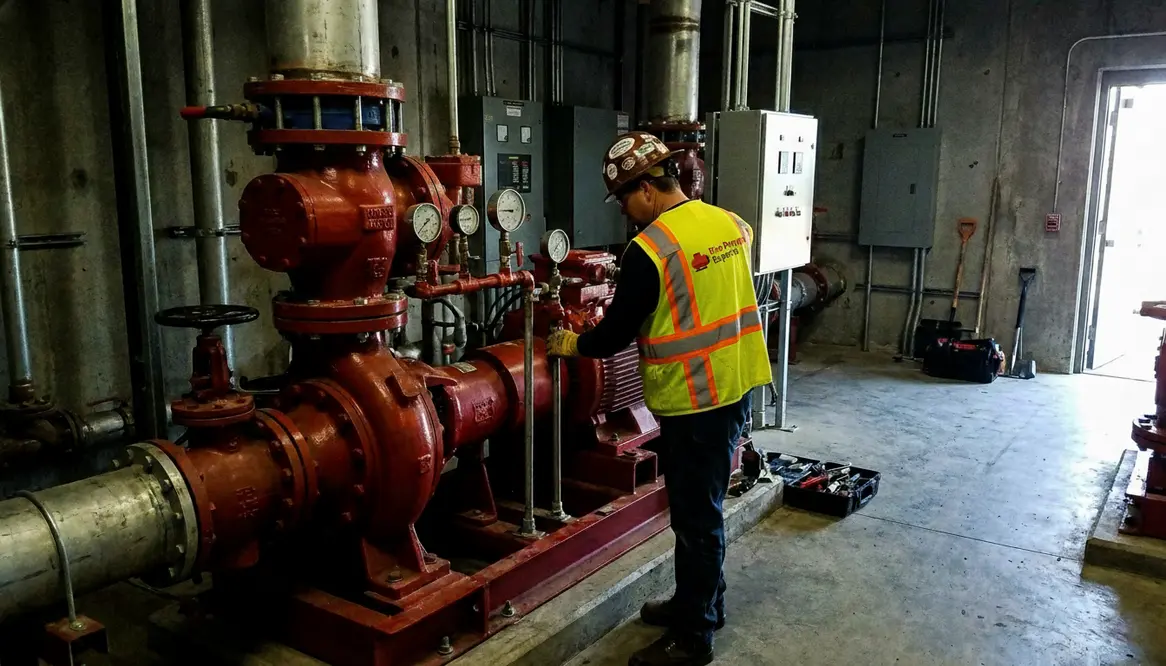
When I test a fire pump, I focus on performance first. I want to know if the pump starts on command, runs at the right speed, and reaches the expected pressure and flow. If it does not, I treat that as a problem, not a surprise. A fire pump should behave like a dependable co worker, not like someone who “forgot” the meeting because they were busy.
Here is the core routine I use during Canadian testing for commercial and industrial properties:
- I inspect the pump room for heat, leaks, vibration, and blocked access.
- I check power, fuel, and controls so the pump can start without delay.
- I test churn, flow, and pressure to confirm the unit meets design needs.
- I review alarms and transfer functions to make sure the system signals properly.
- I record readings so I can compare current results with past results.
Because I work with major properties, I also look at the whole system around the pump. The pump may be strong, but if the valves, suction line, or controller act up, the system can still fail. That is why I never test it in pieces like a puzzle with missing corners.
How I handle maintenance before small problems grow
Maintenance keeps a fire pump ready for the real thing. So, I do not wait for a warning light to start paying attention. I build a routine that catches wear early and keeps the equipment in working order. In Canada, temperature swings, moisture, and heavy building demand can all put extra stress on the system. As a result, regular care is not optional. It is basic survival for the equipment.
My maintenance checks usually include these steps:
- I confirm the pump room stays clean, dry, and easy to access.
- I look for rust, loose parts, worn seals, and unusual noise.
- I test batteries, engine oil, coolant, and fuel quality where needed.
- I inspect relief valves, gauges, and controller settings.
- I verify that the system has no leaks or signs of pressure loss.
Then I compare today’s condition with the last service record. That matters because one small change, like a slight drop in pressure, can point to a bigger issue hiding backstage. You know, the kind that does not want the spotlight until everything goes sideways.
Why Canadian testing matters for major properties
For commercial and industrial buildings, fire pump failure can lead to serious safety risks, service downtime, and expensive damage. So, I treat testing as a risk control tool, not just a box to tick. It helps me protect people, equipment, and business continuity all at once.
Safety benefit
I confirm the pump can support the fire protection system during an emergency.
Business benefit
I help reduce downtime, repair costs, and compliance headaches.
Operational benefit
I spot weak parts before they create service interruptions.
Compliance benefit
I support record keeping and inspection readiness for the property team.
In other words, the pump test is not just a technical task. It protects the building’s day to day rhythm. And for a large site, that rhythm matters. No one wants a fire protection issue turning into an unplanned episode of chaos.
How I build a testing schedule that actually works
I always build the testing schedule around the property, the system type, and the level of use. A hospital tower, warehouse, data center, or multi tenant commercial building may all need a slightly different plan. So, I do not copy and paste a generic schedule and hope for the best. That approach belongs in a bad sitcom, not in facility care.
My schedule usually includes routine weekly or monthly checks, plus full performance testing at planned intervals. I also make sure the team documents every visit. Good records help me track trends, spot slow decline, and show that the system has been maintained with care.
For best results, I recommend that the site team and service provider stay aligned on:
- testing dates and scope
- parts replacement timing
- alarm response procedures
- emergency access to the pump room
- follow up actions after each inspection
When the schedule stays steady, the system stays more reliable. That is the simple truth. The pump does not need drama. It needs attention.
FAQ: Canadian fire pump testing and maintenance
Below are some of the questions I hear most often around Canadian testing for commercial and industrial fire pumps, along with straightforward answers based on day to day field experience.
Ready to keep your fire pump dependable
If you manage a commercial or industrial property, I recommend staying ahead of fire pump issues before they become expensive lessons. Strong testing, steady maintenance, and clear records give your building a much better chance of performing when it counts. So, if you want support with Canadian testing for major properties, I suggest taking action now and scheduling a professional review. A reliable fire pump is not glamorous, but it is absolutely worth its weight in peace of mind.