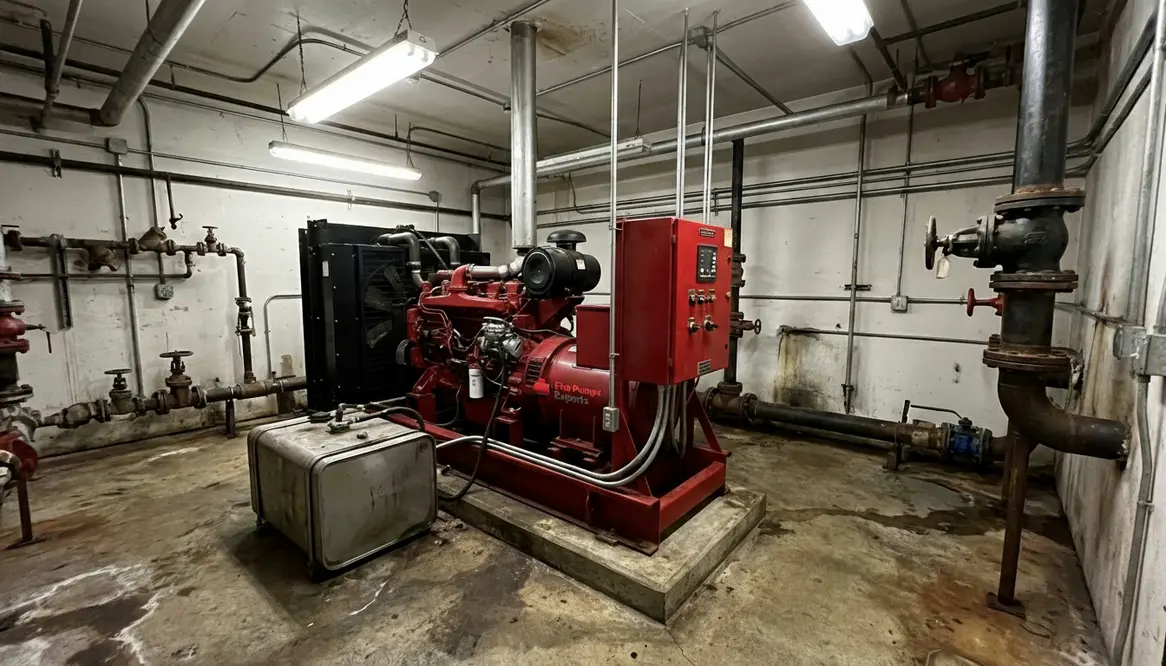
Diesel Fire Pump Cost Guide for Commercial Systems
I have spent enough time around engine rooms and pump houses to know one thing for certain. When people ask about diesel fire pump cost, they are rarely just asking about money. They are asking about reliability, compliance, and that quiet confidence that, if things go wrong, something powerful will roar to life and handle it. And yes, like a seasoned actor entering the scene at just the right moment, a diesel fire pump does not miss its cue.
So let us walk through what really shapes the price, why it matters for commercial and industrial properties, and how to make a decision that will not come back to haunt your maintenance budget later.
At a glance: what affects diesel fire pump cost
- Capacity and pressure requirements
- Engine quality and brand reputation
- Control systems and automation
- NFPA and local code compliance
- Installation complexity and site conditions
What Drives Diesel Fire Pump Cost in Commercial Systems
First, I like to ground the conversation in reality. The price of a diesel fire pump system is not just about the pump. Instead, it is a combination of engineering, compliance, and performance expectations.
For large facilities, several factors move the needle:
1. Pump capacity and pressure requirements
Higher flow rates and pressure ratings demand stronger engines and more robust components. Naturally, that pushes costs upward.
2. Engine quality and brand
Not all diesel engines are created equal. Some are built like action heroes. Others are more like extras in the background. Choose wisely.
3. Control systems and automation
Modern fire pump controllers add intelligence and monitoring. While they raise the initial investment, they reduce surprises later.
4. Compliance with NFPA standards
Meeting strict fire codes is not optional. However, compliance adds design, testing, and certification costs that cannot be skipped.
As a result, the total investment reflects a system designed to perform under pressure, literally and figuratively.
How Much Should I Expect to Pay for a Diesel Fire Pump?
I will give it to you straight. For commercial and industrial facilities, a diesel fire pump system can range anywhere from 25,000 to well over 150,000 dollars. And yes, that range is wide enough to make anyone raise an eyebrow.
However, the variation makes sense when you consider scale. A mid sized warehouse will not require the same setup as a high rise or a manufacturing plant handling hazardous materials.
Typical budget ranges
- Smaller commercial buildings: lower end of the range
- Mid sized warehouses: somewhere in the middle
- High rises and industrial plants: upper range and beyond
Moreover, installation often adds a significant portion to the total. You are not just placing equipment. You are integrating it into a life safety system.
So, when someone asks me for a quick number, I usually respond with a small smile and say, “It depends.” Not because I enjoy being mysterious, but because accuracy matters.
Breaking Down the Investment: Equipment vs Installation
To make things clearer, I like to separate the costs into two worlds that eventually meet.
Equipment side
The pump, diesel engine, controller, fuel tank, and accessories form the backbone. This portion often accounts for a large share of the budget and is at the center of every diesel fire pump cost conversation.
Installation side
Now enters piping, electrical work, ventilation, fuel system setup, and testing. This is where complexity quietly adds up, and where diesel fire pump cost can jump if the site fights back against tidy engineering drawings.
Think of it like buying a high performance car. The sticker price gets your attention, but the customization and setup make it truly yours. And unlike a sports car, this system is not for showing off. It is for showing up when everything else fails.
Diesel Fire Pump Cost vs Electric Options
I often hear this comparison, and it is a fair one. Diesel systems typically cost more upfront than electric pumps. However, they bring a critical advantage.
They do not rely on external power.
During a power outage, which tends to happen at the worst possible moment, a diesel fire pump continues to operate. That independence is not just convenient. It is essential for many industrial sites.
On the other hand, electric pumps can be more economical and easier to maintain. Yet, they depend on a reliable power source or backup generators.
So, the decision becomes less about price and more about risk tolerance. In my experience, facilities that cannot afford downtime lean toward diesel, even if it costs more at the start. When the spreadsheet battles begin, the diesel fire pump cost line is really an investment column in disguise.
Smart Ways I Help Facilities Control Fire Pump Expenses
Now, let us talk strategy. Because while you cannot eliminate costs, you can absolutely manage them.
Plan early
When fire protection is part of the initial design, costs stay predictable. Retrofitting, however, tends to be a budget’s worst enemy.
Right size the system
Bigger is not always better. Oversized pumps lead to inefficiency and unnecessary expense.
Choose experienced partners
Working with specialists in commercial fire pump system design and installation reduces costly mistakes and rework.
Invest in maintenance upfront
A well maintained diesel fire pump lasts longer and performs better. Skipping maintenance is like ignoring the check engine light. It never ends well.
In short, smart planning turns a large expense into a controlled investment. The smarter that planning is, the more your diesel fire pump cost feels like a strategic safety decision rather than a grudge purchase.
If you need benchmarks and reference material while planning, resources at https://firepumps.org can help you pressure test your assumptions before you lock in a design.
FAQ: Diesel Fire Pump Cost Insights
Final Thoughts and Your Next Step
In the end, choosing the right system is not just about the diesel fire pump cost. It is about protecting people, property, and operations without compromise. If you are planning for a commercial or industrial facility, now is the time to act. Work with experts, define your requirements clearly, and invest with confidence. Because when the moment comes, and it will, you want a system that performs like a seasoned professional, not a nervous rookie.