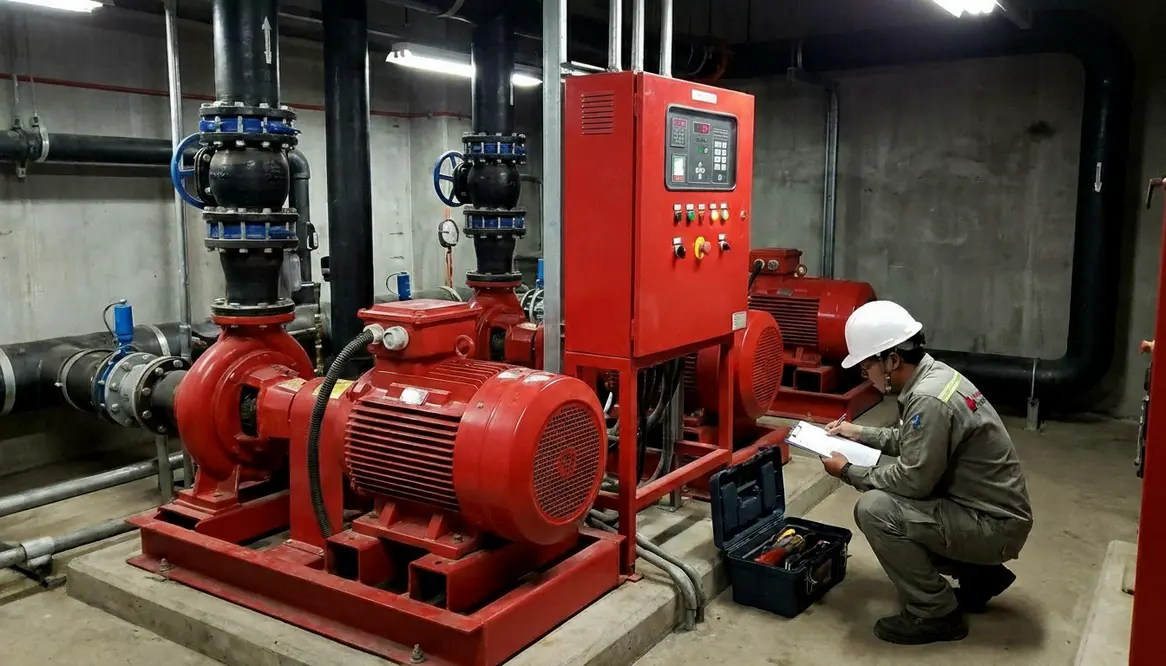
Electric Fire Pump Cost Guide for Commercial Buildings
I have spent enough time around mechanical rooms to know this truth. When a fire system fails, the silence is louder than any alarm. That is why understanding electric fire pump cost is not just a budgeting exercise. It is a decision that protects lives, assets, and reputations. And yes, while it may not sound thrilling at first, stick with me. I promise we will make it worth your while, with a few chuckles along the way.
If you are responsible for a commercial building, think of electric fire pump cost as a long game: design it right, install it right, and it quietly earns its keep every single day you never have a fire.
What Drives Electric Fire Pump Cost in Commercial Buildings
Let me get straight to it. The price of an electric fire pump system depends on more than just the pump itself. In fact, the pump is only part of the story. The real cost lives in the ecosystem around it.
1. System capacity and building demands
Capacity matters. A high rise office tower demands far more power than a mid sized warehouse. As a result, higher horsepower motors and larger pumps raise the price quickly and push overall electric fire pump cost upward.
2. Code compliance and safety requirements
Fire codes are not suggestions. They are strict, detailed, and constantly updated. Systems must meet NFPA standards, which often require controllers, backup systems, and precise installation practices. Every new layer of compliance adds design time, equipment, and ultimately more influence on electric fire pump cost.
3. Installation complexity
A new construction project gives you flexibility. However, retrofitting an existing facility can feel like squeezing a grand piano into a studio apartment. Limited space, existing piping, and routing electrical feeds through crowded ceilings all increase labor hours and coordination fees.
4. Brand, quality, and reliability
Reliable systems cost more upfront, but they tend to save money over time. Think of it like hiring a seasoned security guard instead of your cousin who “once watched a detective show.” Higher quality components reduce nuisance shutdowns, emergency call outs, and unexpected failures that are far more expensive than the original electric fire pump cost.
Breaking Down the Investment Without the Headache
Core equipment
- Pump and motor assembly
- Controller and monitoring system
- Valves and fittings
- Pressure maintenance devices
Associated costs
- Engineering and design
- Installation labor
- Electrical infrastructure
- Testing and commissioning
Now, when I look at these numbers, I see a pattern. The equipment may grab your attention, but labor and compliance quietly shape the final bill. Moreover, skipping corners here is not clever. It is risky.
In most commercial and industrial settings, total system costs can range widely depending on scale. However, the smartest buyers focus less on the sticker price and more on long term reliability. They look beyond the initial electric fire pump cost and pay attention to uptime, test results, and how calmly the system behaves over the next decade.
How I Estimate Electric Fire Pump Cost for Large Facilities
When I approach a project, I start with risk. Not spreadsheets. Not catalogs. Risk. Because the cost reflects how much protection your building truly needs.
Risk profile and building characteristics
I look at building height, occupancy type, and water supply. Then, I evaluate redundancy requirements. For example, data centers and hospitals cannot afford downtime. Consequently, their systems often include backup power integration and advanced monitoring, which pushes electric fire pump cost higher but dramatically improves resilience.
Lifecycle and operating costs
I also consider lifecycle costs. Energy consumption, maintenance schedules, and system durability all factor in. After all, a cheaper system that fails early is like buying a bargain parachute. Not a great story. A realistic view of total ownership often makes a slightly higher electric fire pump cost look like the sensible choice.
For trusted solutions and proper system sizing, I often point people toward experienced providers like commercial fire pump system specialists. Having the right partner changes everything.
Why Prices Vary More Than You Expect
Here is where things get interesting. Two buildings can look similar on paper yet have very different costs.
Location and labor market
Location impacts labor and material pricing. Urban projects typically cost more due to logistics and regulations. Meanwhile, remote facilities face their own challenges with transport and skilled labor availability. The same specification can result in a very different electric fire pump cost once the local market realities show up on the quote.
Electrical infrastructure readiness
Electrical infrastructure plays a huge role. If your building already supports high capacity loads, great. If not, upgrades can significantly increase your investment. New feeders, switchgear modifications, and coordination studies can all weigh heavily on the final electric fire pump cost.
Customization and special environments
Customization adds layers. Some facilities require integration with advanced building management systems. Others need explosion proof components for hazardous environments. Each requirement nudges the cost upward and makes generic “average” numbers for electric fire pump cost feel almost meaningless.
And let me be honest. Sometimes the biggest cost comes from indecision. Delays, redesigns, and scope changes can quietly inflate budgets faster than you can say “just one more revision.”
Is Paying More Upfront Actually Worth It
Short answer. Yes, more often than not.
When I see clients hesitate on quality, I remind them of one simple idea. Fire protection is not where you want to cut corners. A well built system offers reliability, efficiency, and peace of mind.
The payoff of quality over time
Higher quality components tend to reduce maintenance costs. Over time, that balance often tilts in your favor. So while the initial number may feel steep, the long term value usually tells a different story. The “expensive” option often turns out to be the stable, boring, quietly reliable backbone of your fire protection plan.
And let us face it. Nobody wants to explain to stakeholders why a cheaper system failed during a critical moment. That conversation does not end with applause.
FAQ About Electric Fire Pump Systems
These are the questions that usually land in my inbox right after someone sees the first proposal.
Final Thoughts That Actually Matter
If you are weighing your options, here is my advice. Treat this as an investment, not an expense. The right system protects more than property. It protects continuity, trust, and lives.
Take the time to plan carefully, partner with experts, and choose quality over shortcuts. When everything is on the line, you will be glad you did. And honestly, that peace of mind is worth every penny.
In the best case, your fire pump runs quietly in the background, test after test, emergency after emergency that never happens. In other words, the day you feel like you “overpaid” on electric fire pump cost is probably the day everything is working exactly as it should.