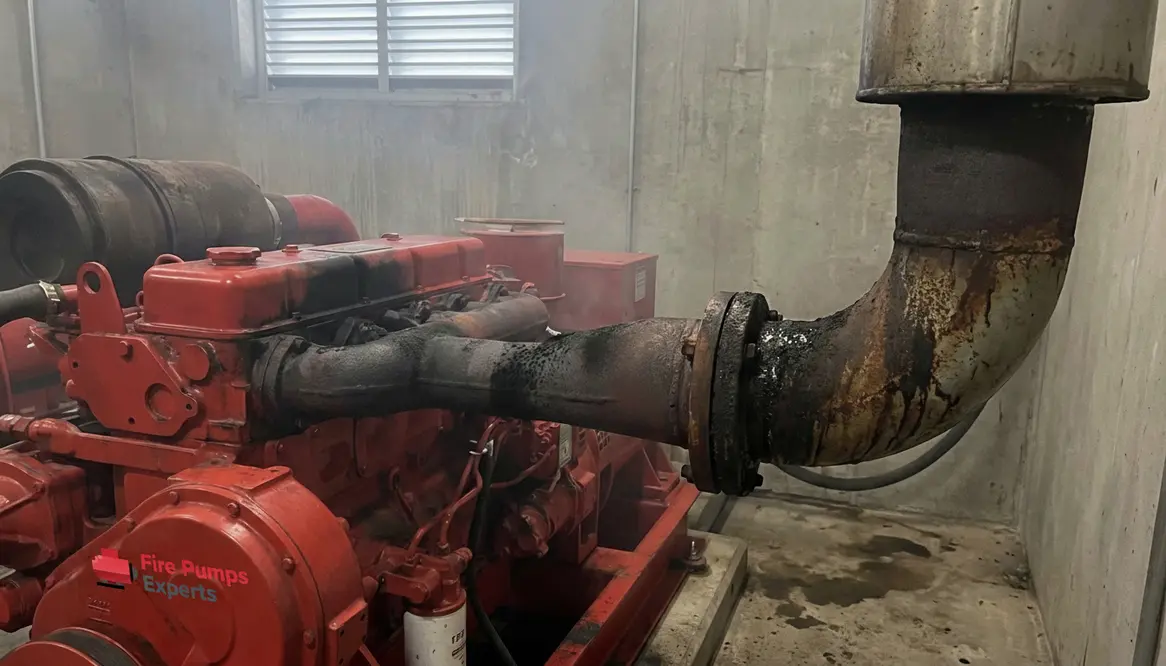
Diesel Fire Pump Exhaust: Warning Signs and Ventilation
When I walk into a fire pump room, I look at three things first: the diesel fire pump exhaust, the airflow around the equipment, and the condition of the fire pump room ventilation. If any one of those looks off, the diesel fire pump can struggle when it matters most. And that is not the kind of surprise anyone wants during a real fire event. In a commercial or industrial building, this equipment has one job, and it does not appreciate bad air, clogged pipes, or a room that breathes like it just ran a marathon.
In this article, I break down the warning signs I watch for, why they matter, and what they can tell you before a small issue turns into a costly shutdown. I also point you to useful resources like los angeles fire pump service and the Kord Electric site for related building support, plus fire sprinkler services resource if your site needs broader fire protection planning.
Why diesel fire pump exhaust matters more than people think
The exhaust system does more than push out fumes. It helps the engine breathe and run at the right temperature. When the diesel fire pump exhaust has back pressure, leaks, soot buildup, or heat damage, the engine can lose power and run rough. That means it may not start cleanly, and it may not carry load the way it should.
Here is the simple truth: if the exhaust gets weak, the whole system can act tired. I have seen facilities ignore a small rattle or smoke issue and then act shocked when the unit sounds like Darth Vader after a long shift. The joke lands better when the pump still works. Trust me.
Warning signs I check during a fire pump room inspection
When I inspect a room, I look for clear signs that the system is not happy. These signs often show up before a full failure, which is exactly why they matter.
Common warning signs include:
- Loud popping, hissing, or knocking from the exhaust line
- Smoke that looks darker than normal during startup
- Strong heat near pipes, walls, or the discharge area
- Rust, holes, or loose joints on exhaust parts
- Oil smell or soot buildup around fittings
- Engine vibration that feels sharper than usual
Each of these signs points to a problem that can grow fast. For example, soot around a joint can mean a leak. In turn, a leak can raise heat in the room and make the engine work harder. That is a chain reaction nobody invited.
How fire pump room ventilation affects performance
Good ventilation keeps hot air moving out and fresh air moving in. Without proper fire pump room ventilation, the engine can overheat, especially during long tests or real use. I treat ventilation as part of the pump system, not as a side issue. Because once the room turns into an oven, the diesel engine starts sweating through the metal, and that is not a good look.
Also, poor airflow can trap exhaust heat and send it back across the pump and controls. As a result, sensors may trip, the room may smell like burnt fuel, and the engine may lose efficiency. If I notice hot spots in the room, I check intake vents, exhaust routing, fan function, and any blocked openings right away.
What I see
- Heavy soot near exhaust joints
- Hot room air after testing
- Loose metal clatter
- Starter strain or slow crank
What it may mean
- Leak or poor seal
- Weak ventilation or poor air path
- Mounting issue or cracked bracket
- Heat stress, battery trouble, or engine drag
Diesel fire pump issues I never ignore
Some problems look small at first, but they often point to bigger trouble. I pay close attention to exhaust flex parts, clamps, hangers, and the route the exhaust takes through the room. If the line runs too close to walls or wiring, heat can damage nearby parts. That can turn a mechanical issue into a building issue, and that is where things get expensive in a hurry.
I also watch for changes in startup sound. A healthy unit should start with purpose. If the diesel fire pump cranks longer than normal, shakes more than usual, or belches more smoke than expected, I treat that as a warning. It may still run, sure, but so does a phone at 2 percent battery. Nobody feels calm about that.
What I do after spotting exhaust trouble
Once I spot a problem, I move fast. First, I confirm whether the issue comes from the exhaust itself, the room airflow, or the engine load. Then I check for blocked vents, failed seals, loose supports, and heat damage. After that, I document what I find and schedule repair work for the commercial or industrial site before the next test cycle.
I also review the site’s fire protection plan. If the pump room lacks proper support, I recommend a deeper look at related systems. That is where resources like Los Angeles fire pump maintenance and the commercial electrical support page can help connect the dots. And if the building team wants broader system coverage, the sprinkler services reference can add useful context.
FAQ
Conclusion
If I had to sum it up, I would say this: watch the exhaust, respect the airflow, and never shrug off a small change in sound, heat, or smoke. A diesel fire pump protects major properties only when it stays ready. So if your system shows warning signs, act now, inspect the room, and bring in qualified support for the repair work. In this business, calm prevention always beats a dramatic emergency.