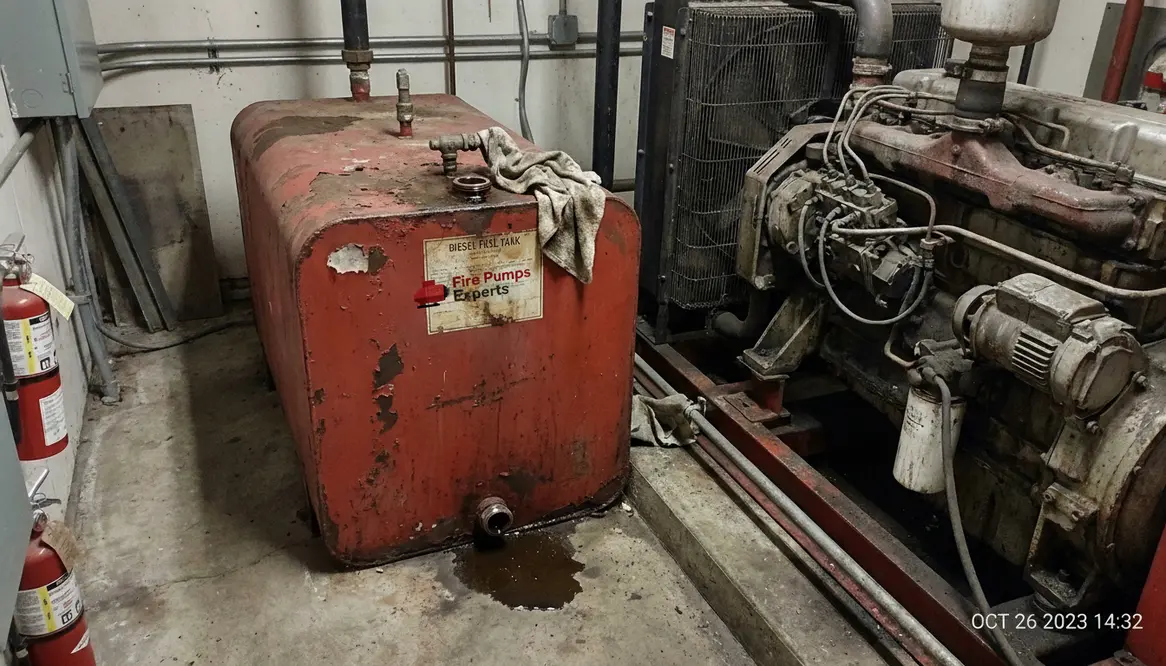
Diesel Fire Pump Fuel Tank Problems Managers Often Miss
I have seen plenty of commercial and industrial sites treat the diesel fire pump fuel tank like a silent backstage crew member. It sits there, looks fine, and keeps the whole show moving when the alarm hits. Yet when I walk a property, I often find the same thing: the tank gets less attention than it should, while the diesel fire pump and fire pump maintenance get all the spotlight. That is a risky habit. In large buildings, a fuel issue can turn a reliable system into a very expensive paperweight, and nobody wants that kind of surprise on a Monday morning.
What I Check First on a Commercial Site
When I arrive at a facility, I start with the basics. I look for leaks, rust, loose fittings, bad labels, and signs of water in the fuel. Then I check if the tank has clear access, proper venting, and a clean fill path. These details sound small, but they often reveal bigger trouble. For example, a tank may hold enough fuel on paper, but if sludge has built up at the bottom, the pump can still starve under load. That is the kind of plot twist that belongs in a bad movie, not in a fire protection system.
In many major properties, the tank also sits in a forgotten corner near heat, dust, or vibration. Over time, that setting can wear down seals and fittings. So, I always ask a simple question: if this system had to run for a long emergency, would the fuel stay clean and available the whole time? If the answer feels shaky, the system needs work now, not after a test failure.
Fuel Problems Facility Managers Often Miss
Many managers watch the gauge and assume the fuel is fine. However, a full reading does not tell the whole story. Water can enter through condensation, bad caps, or poor storage conditions. Soon after, microbial growth can form in the tank. That growth clogs lines, damages filters, and can make the engine run rough when the pressure call comes in.
Another problem I see is fuel aging. Diesel does not stay fresh forever, especially in standby use. If the tank sits too long without turnover, the fuel can break down and lose quality. Then the engine may hesitate, smoke, or fail to start cleanly. That is not the kind of performance anyone wants from life safety equipment. As a result, I recommend that managers track fuel condition, not just fuel level. That one shift saves a lot of pain later.
Why Tank Design Matters More Than Most People Think
The design of the tank affects the whole system. A tank that lacks proper drainage or inspection access makes routine checks harder, and hard checks get skipped. Also, a tank that is too close to contamination sources can collect debris faster than expected. In commercial and industrial facilities, that matters even more because systems may sit in harsher conditions than those in smaller buildings.
To make this clearer, I break the main risk points into two groups:
Common tank issues
Water buildup
Fuel sludge
Rust and corrosion
Loose caps and fittings
Poor venting
Low access for inspection
Common result
Poor engine start
Restricted fuel flow
Failed pump performance
Higher repair cost
Greater downtime risk
Missed fire protection readiness
That list may look plain, yet it points to a simple truth. A tank issue rarely stays a tank issue. Instead, it moves through the system like a domino chain. First the fuel goes bad, then the engine struggles, and then the emergency response gets weaker. The fire does not care that the paperwork looked neat.
How I Spot Warning Signs Before Failure
I pay attention to small changes. If the engine takes longer to start, I want to know why. If the fuel smells sour, I take that seriously. If I see stains under the tank, I treat them as a message, not a mystery. Likewise, if the facility has not reviewed its inspection logs in a while, I expect blind spots.
Here, regular fire pump maintenance should include tank checks that go beyond a glance. I want a routine that covers fuel quality, vent condition, drain points, fill caps, and any sign of condensation. In some cases, a simple sample test can show whether the fuel has water or growth. That is far better than discovering the issue during a real fire event, when the stakes climb fast and nobody wants to improvise like a sitcom hero.
Best Practices That Keep the System Ready
Strong maintenance habits make a real difference. I recommend keeping the tank area clean, documenting every fuel check, and scheduling fuel testing at sensible intervals. Also, managers should train staff to report odors, stains, and start-up changes right away. A quick report can prevent a major outage.
It also helps to coordinate the tank plan with broader fire protection services. For facilities that need support, I would look at los angeles fire pump support for system care that fits commercial and industrial needs. In addition, I would review fire pump service for major properties when planning long term readiness. If electrical support is also part of the picture, commercial electrical services can help keep controls and power paths stable. For properties with wider sprinkler needs, sprinkler system support for industrial sites can round out the protection plan.
FAQ
Conclusion
I do not treat a fuel tank as a side note, because in a real emergency it becomes a main character fast. If you manage a commercial or industrial property, now is the time to check for water, sludge, corrosion, and weak fuel practices. Review your records, test your fuel, and tighten your inspection routine. Better yet, bring in a team that knows how to keep your system ready before trouble calls the shot.