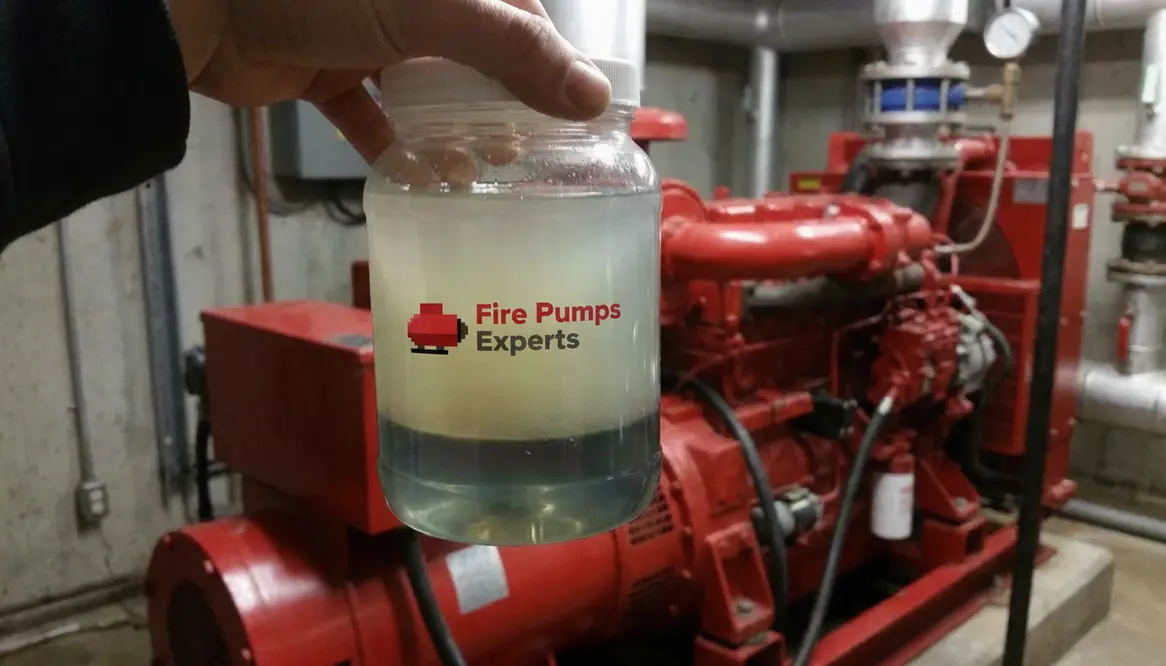
Water in Diesel Fire Pump Fuel and Reliability
I have seen a lot of trouble start with a tiny drop of water. In diesel fuel contamination, that one drop can turn a dependable system into a nervous one. When moisture gets into a diesel fire pump setup, it can also settle in the fire pump fuel tank and quietly chip away at readiness. For commercial and industrial facilities, that is not a small matter. It is the kind of issue that waits in the dark, like a bad plot twist in a movie nobody asked for.
Here, I will break down what water does, how it gets in, and what I would watch if I wanted a diesel fire pump to stay reliable when it matters most.
Why water in diesel fuel causes real reliability problems
Water does not burn, and diesel fuel does. That mismatch creates trouble fast. When water sits in fuel, it can lead to poor combustion, rough starting, and uneven engine performance. As a result, the engine may crank longer, run weaker, or fail to start on time. In fire protection, that delay is not just annoying. It can put a whole property at risk.
Water also supports microbial growth at the fuel and water line. Those microbes build sludge, clog filters, and dirty injectors. Then the system loses the clean fuel flow it needs. I like to think of it as the fuel system throwing a small tantrum, except the stakes are much higher than a spoiled dinner.
How water gets into a diesel fire pump fuel tank
Water enters in a few common ways. First, it can come in through tank vents during humid weather or sudden temperature swings. Second, it can sneak in during fuel delivery if the supplier brings in wet fuel. Third, condensation forms inside tanks when warm air cools down. Over time, that moisture collects at the bottom of the tank because water is heavier than diesel.
In a fire pump fuel tank, this risk climbs when the tank sits unused for long periods. That is why I always pay attention to inspection habits, tank sealing, and fuel turnover. A tank that looks fine from the outside can still hide a quiet mess inside. Much like a perfectly styled house with one room full of raccoons. Not ideal.
What happens when a diesel fire pump starts with wet fuel
When wet fuel reaches the engine, the problems show up fast. The pump may struggle to start, especially in a cold or high demand event. If water passes through the injectors, it can disrupt fuel spray and lower engine power. Then the pump may not reach the speed or output needed for fire protection.
Even worse, repeated exposure can wear engine parts sooner than expected. Corrosion starts where metal meets moisture. Filters clog. Pumps lose efficiency. Gaskets age badly. So, the whole system begins to act tired, and no fire protection owner wants a tired system standing guard.
Signs I check during diesel fuel contamination inspection
I look for several warning signs before a small issue becomes a big repair bill. These signs often show up early if I know where to look.
Dual column quick check
Fuel side
Cloudy fuel, dark sludge, water at the tank bottom, and filter buildup usually point to contamination.
Engine side
Hard starts, rough running, weak output, and unexpected shutdowns often show the engine is reacting to dirty fuel.
Also, if I see rust inside the tank or on fittings, I know moisture has likely been around for a while. That is the kind of guest nobody wants to keep.
How I protect reliability in commercial fire pump systems
I protect reliability by treating fuel care like routine maintenance, not a once in a blue moon chore. First, I inspect the tank for water and sediment. Then I drain low points where water collects. I also test fuel quality and replace filters on schedule. If contamination keeps coming back, I look for the root cause instead of only cleaning the symptoms.
For larger facilities, I also recommend working with a team that understands fire protection systems, diesel standby equipment, and the demands of major properties. Services like los angeles fire pump service can help support system readiness for commercial and industrial sites. In addition, resources from Kord Electric and fire sprinkler service support can be useful when a facility wants a broader view of protection and power needs.
FAQ
Conclusion
When I look at fire pump reliability, I never treat water as harmless. It can weaken diesel fuel contamination control, damage engine performance, and create risk for a diesel fire pump when the pressure is on. So, if you manage a commercial or industrial property, take the fire pump fuel tank seriously, inspect it often, and fix moisture issues before they grow teeth. If you want better readiness, now is the time to review your fuel system and schedule a professional inspection.