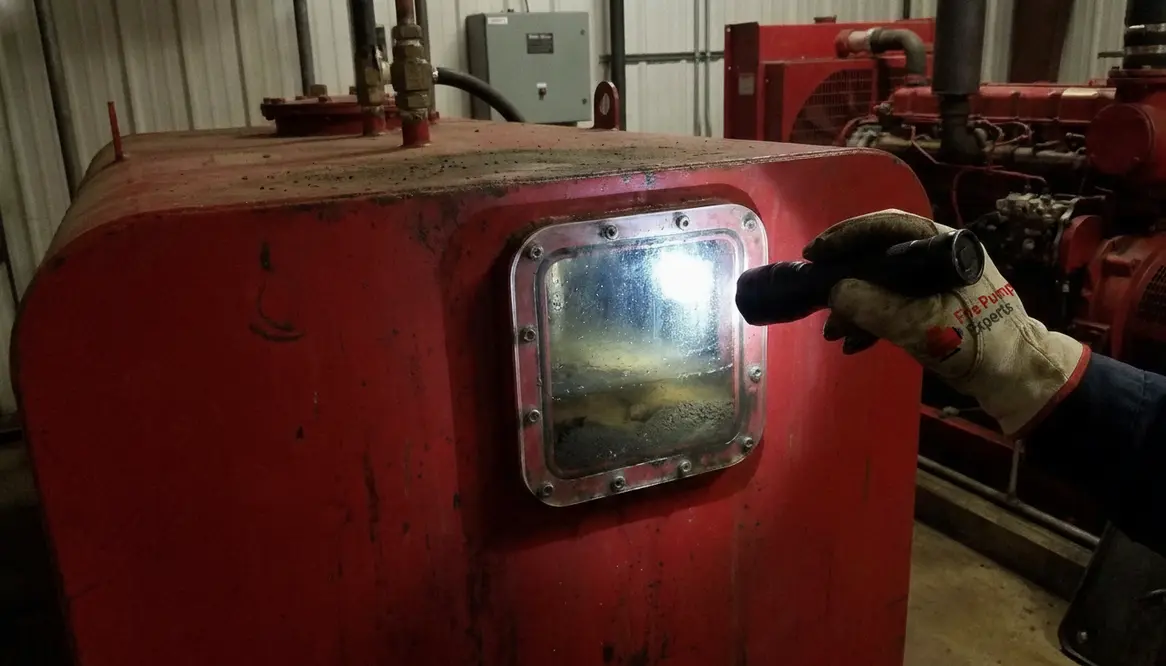
Microbial Growth in Diesel Fire Pump Fuel Tanks
I have seen a lot of problems start small in diesel systems, and microbial growth is one of the sneakiest. It settles into diesel fuel contamination, weakens diesel fuel tank maintenance, and puts fire pump fuel at risk when a system must work without a second to spare. In commercial and industrial facilities, that is not a small issue. That is the kind of issue that waits quietly, like a plot twist in a thriller, then shows up right when the alarm sounds and everyone expects the pump to perform like a hero.
In this article, I will walk through how microbes enter the tank, what they do, how I spot the warning signs, and what smart owners can do to protect critical fire protection equipment. I will keep it practical, clear, and focused on major properties where reliability matters most.
How Microbes Get Into Diesel Fuel
Microbes do not appear out of nowhere. They usually enter through air, water, or dirty fuel during delivery. Once inside, they settle at the water fuel line inside the tank. That is where they find what they need most: water, fuel, and time. If a tank sits too long or collects condensation, the risk rises fast.
Here is the simple truth. Diesel itself does not feed the microbes. The water does. So when moisture builds up, the tank becomes a welcome mat for bacteria and fungi. They spread into sludge, slime, and dark residue. Then they clog filters, block lines, and make the fuel less stable. In a fire pump system, that can be a problem nobody wants to meet in the middle of an emergency.
What Microbial Growth Does to Fire Pump Fuel
Microbial growth attacks fuel quality in more than one way. First, it forms deposits that settle in the tank bottom. Next, it creates acids that can damage metal parts over time. Then it makes filters work harder, which can reduce flow and pressure. For a fire pump, that can mean a slow start, poor performance, or a failure to run cleanly when needed most.
I also watch for another issue. As microbes break down fuel, they can make the diesel smell sour or look cloudy. That is not a “quirky fuel character.” That is a warning sign. If the fuel system depends on clean combustion and steady delivery, even a small amount of growth can turn into a much bigger maintenance bill later.
Warning Signs I Check During Diesel Fuel Tank Maintenance
When I inspect a tank, I look for the clues that microbes often leave behind. These signs are not subtle once you know where to look. I check the tank bottom, fuel sample, filter condition, and water level. I also pay attention to how often the system runs and whether the fuel has sat untouched for long periods.
Common signs include:
Cloudy fuel
Dark sludge at the bottom of the tank
Clogged filters that fail too soon
Water in fuel samples
Rust or corrosion near low spots
Unusual odor from the tank
And yes, fuel that looks like it belongs in a science lab is usually a bad sign. I have learned that the hard way is still a lesson, just with more paperwork.
Best Practices for Diesel Fuel Tank Maintenance
Good maintenance keeps the problem from growing teeth. I always start with water control, because if I stop water from collecting, I make life much harder for microbes. That means checking tank seals, draining water, and keeping vents and caps in good shape. I also recommend regular fuel testing, because a fuel sample tells a story before the system fails to tell it for you.
For commercial and industrial sites, I focus on a few key habits:
Use a regular inspection schedule so problems do not sit unnoticed.
Remove water right away since water drives microbial growth.
Test fuel quality to catch contamination early.
Replace filters on time before they become part of the problem.
Keep the tank full when possible to reduce condensation.
These steps sound simple, but simple works. That is the beauty of it. The tank does not need drama. It needs discipline.
Why Facility Teams Need a Prevention Plan
I always tell facility teams that reactive maintenance costs more than planned care. A prevention plan helps protect the pump, the fuel, and the building it serves. It also supports code compliance and reduces downtime. In a large property, downtime can ripple across operations fast. One weak link can become a full system headache, and nobody wants that call on a Friday evening.
For added support, I often point teams to trusted resources like Los Angeles fire pump service for commercial facilities, commercial fire sprinkler service resources, and industrial electrical support for facility systems. These can help decision makers connect fuel care with the wider fire protection picture.
FAQ
Conclusion
I do not treat microbial growth as a small fuel issue. I treat it as a real threat to system readiness, especially in commercial and industrial fire protection. With the right inspections, water control, and fuel testing, I can keep the tank cleaner and the fire pump ready. If you want a stronger maintenance plan for your property, now is the time to act. Start with a fuel review, tighten your schedule, and protect the system before trouble starts.