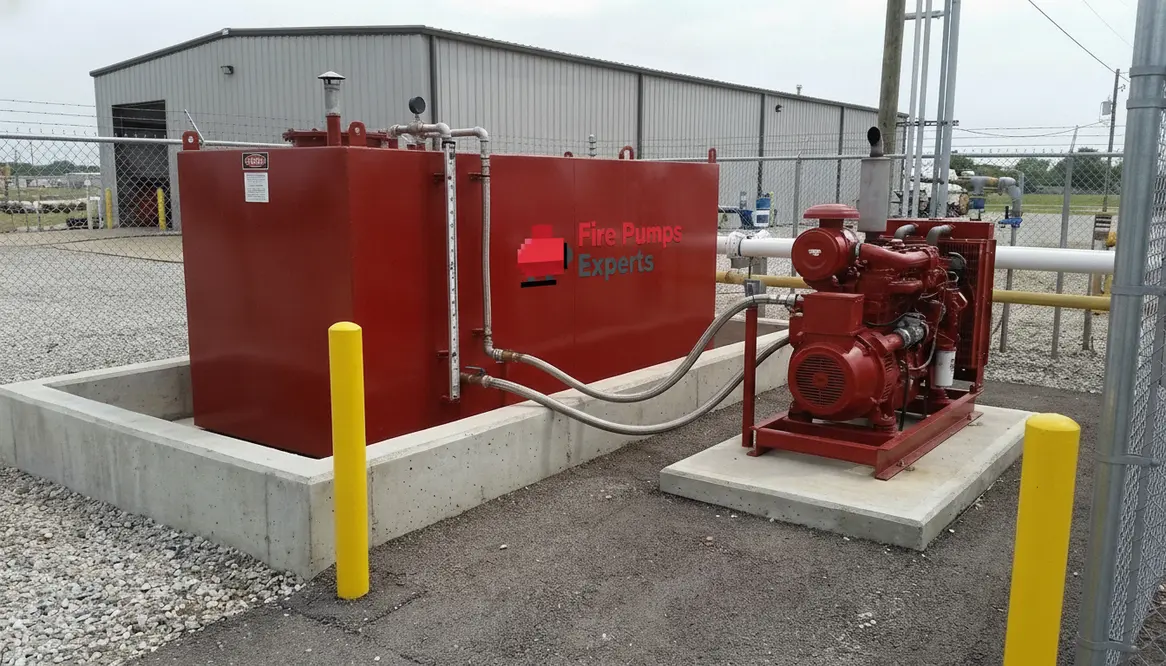
Diesel Tank Essentials for Reliable Fire Pumps
When I design or review a Fire Fighting Pump system for a commercial or industrial site, I always start with the diesel tank. It may not look flashy, but it carries the quiet weight of the whole operation. If the pump is the hero, the tank is the fuel in the cape. And yes, that sounds dramatic, but in fire protection, drama is exactly what you want to avoid until the alarm goes off.
A diesel tank gives the pump the fuel it needs when the power fails or the building needs backup protection fast. Because of that, I treat it as a core part of the system, not an add on. In large facilities, a poor tank choice can lead to weak performance, delays, or maintenance headaches. So, I focus on size, placement, safety, and long term reliability from the start.
What I check before choosing a diesel tank
First, I look at the facility type. A warehouse, hospital, plant, or high rise building may need different fuel storage needs based on the pump demand and local rules. Then I check runtime. The tank must hold enough diesel to keep the Fire Fighting Pump running for the required duration. That sounds simple, yet this is where many plans go sideways. A tank that is too small can leave the system underpowered right when it matters most.
Next, I review the pump size and expected load. Larger systems use more fuel, so I match the tank to the actual duty cycle. I also think about future growth. If the site may expand, I prefer a tank setup that can handle added demand without a full rebuild. That saves money and keeps the system ready. Nobody wants to rip out good work later because the building suddenly grew like a movie sequel nobody asked for.
How I size and place the tank
Tank sizing depends on fuel use, required runtime, and code needs. I always check the pump’s fuel burn rate under full load, because guessing here is a bad habit. A diesel fire pump tank should support emergency operation without panic refueling. In many commercial and industrial settings, I also plan for testing and routine use, since those short runs still use fuel.
Placement matters just as much. I want the tank close enough for smooth fuel flow, but also in a safe and protected spot. It should sit where inspection and maintenance stay easy. At the same time, I avoid places exposed to heat, impact, or flood risk. A good location supports both safety and service access, which keeps the system calm when everything else is not.
Why tank safety features matter so much
I never treat safety features like extras. They are the main event. A proper diesel tank for a Fire Fighting Pump should include items such as:
- Level indicators for quick fuel checks
- Leak control measures to reduce spill risk
- Vent systems that support safe operation
- Secure fill points to avoid wrong fuel issues
- Corrosion resistant materials for long life
Also, I pay close attention to containment. Diesel spills can create fire risk, cleanup cost, and compliance trouble. That is a trio nobody wants invited to the party. In major buildings and industrial sites, these details protect both people and property while helping the system meet strict standards.
Key design points at a glance
Design Factor
- Tank Capacity
- Location
- Materials
- Monitoring
- Containment
What I Focus On
- Enough fuel for required emergency runtime
- Safe, accessible, and protected from damage
- Strong build with corrosion resistance
- Easy level checks and routine inspection
- Spill control and leak protection
How I keep maintenance simple
I like systems that make maintenance easy, because busy facilities do not have time for guesswork. So, I look for tanks with clear access for cleaning, inspection, and fuel testing. I also want simple monitoring tools so staff can spot low fuel, contamination, or wear before problems grow.
Regular maintenance keeps diesel fresh and the pump ready. Fuel can degrade over time, especially if the tank sits for long periods. Therefore, I recommend planned checks for water, sludge, and rust. A clean tank supports a dependable pump, and a dependable pump supports the whole fire protection plan. For that reason, I often point clients to trusted resources like the Kord Fire protection overview when they want a deeper look at system quality and equipment standards.
When I think about compliance and long term value
Compliance is not the fun part, but it is the part that keeps the system valid. I always align the tank design with local codes, site risk, and the pump’s operating needs. Since fire systems protect commercial and industrial facilities as well as major property buildings, the setup must hold up under real scrutiny. If the tank does not meet the standard, the whole system loses value fast.
And here is the honest truth: a solid diesel tank is not just metal and fuel. It is insurance for the pump, support for uptime, and peace of mind when the lights go out. If you want a deeper product view, I also recommend checking this los angeles fire pump resource for added local SEO context and system insight.
FAQ
Quick answers for the diesel tank questions that come up most often when planning a Fire Fighting Pump setup.
Diesel Tank For Fire Fighting Pump
A reliable Fire Fighting Pump does not start at the pump. It starts with fuel storage that can be counted on when conditions are not ideal.
Conclusion
If you manage a commercial building, industrial site, or major facility, I urge you to treat the diesel tank as a serious part of your fire protection plan. A well sized, well placed, and well maintained tank keeps your Fire Fighting Pump ready when seconds matter. So, review your current setup, check your fuel reserve, and make upgrades before trouble shows up uninvited. I can help you choose a safer, stronger system that works when it counts.
Because at the end of the day, a Fire Fighting Pump is only as reliable as the diesel supply it depends on, and that supply starts with smart tank design choices that you can trust.