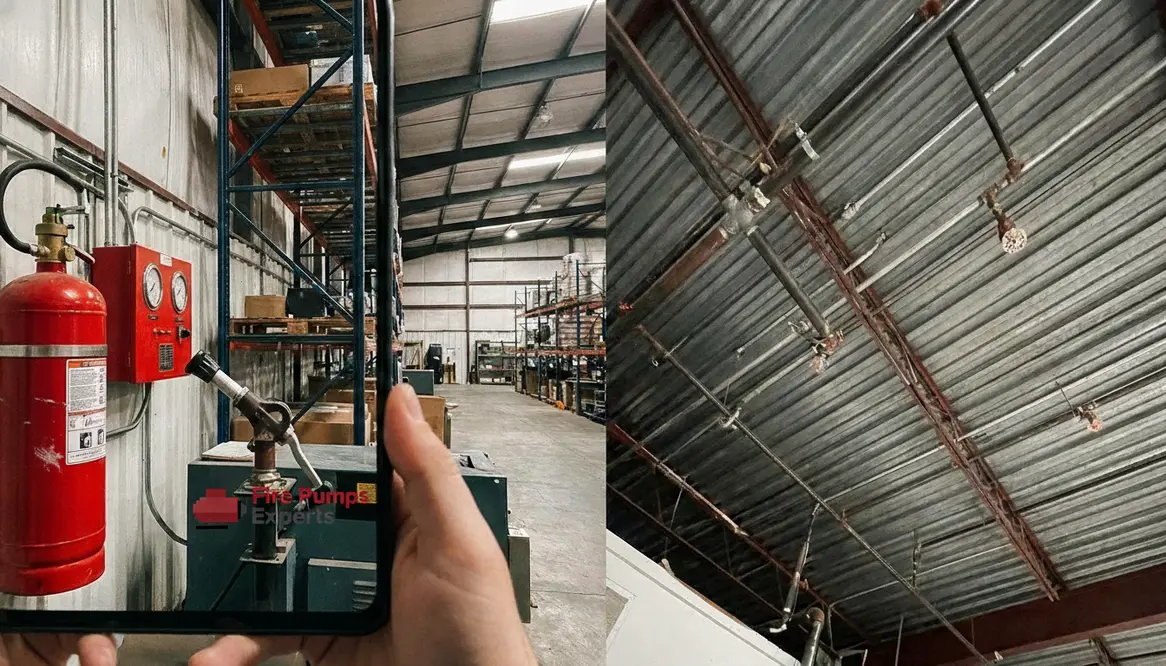
Fire Suppression vs Fire Sprinkler: What I Recommend
When I talk about fire suppression vs sprinkler system, I like to keep it plain and useful. One system puts out fire with a special agent, while the other mainly controls flames with water until help arrives. In a commercial or industrial building, that difference matters a lot. It can shape how fast a fire gets handled, how much damage follows, and how smoothly your team gets back to business. And yes, fire safety sounds dull until it saves a warehouse full of inventory or keeps a major property from becoming a very expensive campfire.
What a Fire Suppression System Does in Real Life
A fire suppression system uses a clean agent, foam, or another special substance to stop fire fast. I see these systems in places where water can cause as much harm as the fire itself. That includes data rooms, kitchens, fuel areas, and heavy duty sites with sensitive gear.
Because the system attacks the fire at its source, it often works quickly and limits damage. That matters when downtime costs money every minute. A system like this does not just buy time. It can protect equipment, stock, and the structure itself. In other words, it shows up like the quiet hero in an action movie while the sprinkler system plays the backup band.
How a Sprinkler System Protects a Building
A fire sprinkler system uses water to control heat and flames. It does not release all at once. Instead, the heads closest to the fire activate as heat rises. That makes the response more focused than many people expect.
For large commercial and industrial facilities, sprinklers help contain fire before it spreads through open space, storage racks, or hallways. They work well in many property types because they are reliable, well known, and easy to integrate with other fire safety plans. Also, they are not dramatic. They do not ask for applause. They just do the job.
Fire Suppression vs Fire Sprinkler System: Where Each One Fits
When I compare fire suppression vs sprinkler system, I look at risk first. If water could ruin machinery, servers, or special materials, I lean toward suppression. If the building needs broad fire control across a large area, sprinklers often make more sense.
Here is the short version. Suppression systems focus on fast extinguishing with less water damage. Sprinkler systems focus on fire control and spread reduction across a wider space. Both can protect lives and property, but they solve different problems.
Fire Suppression System vs Sprinkler System: Choose by Building Risk
For commercial and industrial buildings, the best system depends on what your property holds and how it operates. I always look at fire load, occupancy, equipment, ceiling height, storage style, and how fast a fire could move through the space.
Here is a simple way to think about it:
Suppression Systems
Best for sensitive assets, special hazards, and areas where water damage would create a second disaster.
Sprinkler Systems
Best for broad coverage, fire containment, and general building protection in large spaces.
That is why I do not treat these systems like rival sports teams. This is not Lakers versus Celtics. It is more like two tools built for different jobs. And choosing the right one can save more than a budget line.
How I Compare Cost, Damage, and Downtime
People often ask me about cost first. Fair enough. Budgets matter. Still, I tell them to think beyond installation price. A cheaper system can become costly if it damages equipment or allows the fire to spread farther.
Suppression systems may cost more in some cases, especially when the agent and design need to fit a special hazard. However, they may reduce cleanup and keep operations moving faster after an incident. Sprinkler systems often cost less to install in standard layouts, and they offer dependable protection across the entire building.
So I weigh three things every time: first loss risk, recovery time, and how much business interruption a fire could cause. That view keeps the decision grounded in reality, not guesswork.
How to Match the System to Your Facility
I always recommend a site specific fire safety review for major properties and industrial facilities. The right answer depends on your layout, your contents, and your operations. A distribution center, for example, may need strong sprinkler coverage and support from pumps and controls. A special hazard room may need a suppression system instead.
If you want a deeper look at system support and planning, I suggest reviewing commercial fire protection solutions as a useful reference for broader fire safety planning. Also, if your project involves pump support, the los angeles fire pump systems guide is a helpful external resource for understanding water supply needs in larger facilities.
Frequently Asked Questions
Conclusion
When I compare fire suppression vs fire sprinkler system, I do not look for a winner. I look for the right fit. Your building, your risk, and your uptime goals should guide the choice. If you manage a commercial or industrial facility, now is the time to review your fire protection plan and make sure it matches the real world, not just the drawings. Reach out, assess your site, and protect what keeps your operation running strong.