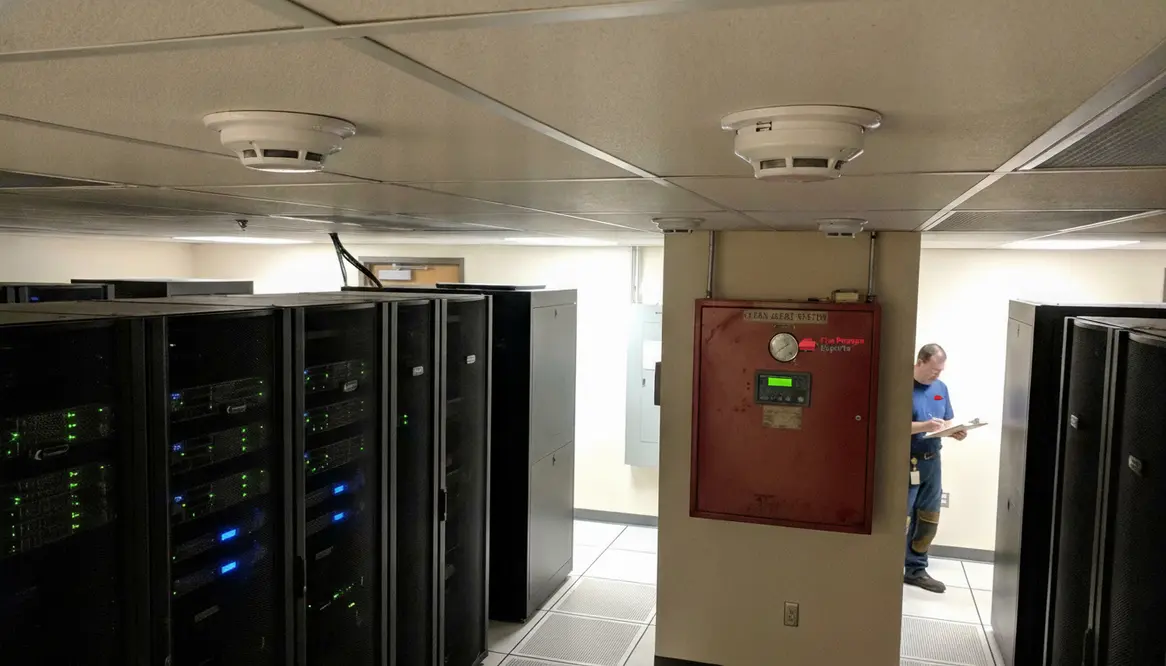
Clean Agent Fire Suppression Systems Explained
When I talk about clean agent fire suppression, I’m talking about a fire protection method that stops a fire without leaving behind water, foam, or messy powder. That matters more than people think. In commercial and industrial buildings, a fast fire can wreck equipment, shut down operations, and turn a normal workday into a very expensive episode of chaos. So, if you manage a data center, control room, archive, or high value facility, this system deserves a serious look. It works fast, stays clean, and helps protect the kind of assets that do not enjoy a shower of water. And honestly, neither do I.
In this guide, I’ll explain how these systems work, where they fit best, and what you should know before choosing one. I’ll keep it clear, practical, and just detailed enough to answer the real questions people ask before the fire marshal, the insurer, or the budget meeting starts breathing down their neck.
How clean agent fire suppression works
Clean agent systems release a gas based extinguishing agent that puts out fire by removing heat or interrupting the fire chain. Because the agent leaves no residue, it suits spaces where water damage would cause a second disaster. That is the magic trick, except this one is legal and very useful.
Most systems use detection devices that spot smoke or heat early. Once the panel confirms a fire condition, it sends the agent into the protected room through a network of nozzles. The goal is simple: act fast, reduce damage, and protect operations before the fire grows legs and runs wild like a bad movie sequel.
These systems also rely on room integrity. In plain terms, the protected space must hold the agent long enough to do its job. If gaps let the gas escape too quickly, the system loses strength. That is why design, testing, and proper sealing matter so much. In this field, small leaks can make big trouble. Fire does not care about your optimism.
Where these systems work best
I usually recommend clean agent solutions for commercial and industrial facilities where equipment, records, or uptime matter more than cleanup. The best fit includes:
- Data centers
- Server rooms
- Telecom spaces
- Electrical switch rooms
- Control rooms
- Archive and record storage areas
- Large property buildings with critical systems
These spaces often hold expensive electronics or sensitive materials. Water based systems can control fire, sure, but they may also take the equipment out of the game. Clean agent systems give building owners a better chance to stop the fire and keep business moving. That is not just protection. That is business continuity with a better haircut.
What I check before choosing a system
Before I recommend any system, I look at the risk, the room size, the equipment inside, and the local code requirements. I also look at how people use the space. For example, a room that stays locked most of the day needs different planning than a busy operations floor.
Here is a simple way I break down the decision:
The core factors
Risk type means what can ignite and how fast it can spread. Asset value means what the fire could destroy besides the room itself. Uptime need means how badly a shutdown would hurt the business. Room tightness means whether the agent can stay where it belongs long enough to work. Together, these factors shape the right design.
Don’t forget maintenance
And yes, I always pay attention to maintenance. A system that sits in a corner and gets ignored is like a superhero who forgot how to show up. It looks impressive until the moment you need it.
Clean agent fire suppression vs other options
Here’s the short version: clean agent systems do not leave residue, so cleanup stays minimal. That gives them a strong edge in places with electronics or sensitive goods. However, they are not the answer for every site. Water sprinkler systems remain a solid choice for many large buildings, especially where life safety and broader structural protection drive the design.
So, I think of clean agent systems as a precision tool. They fit special spaces that need fast suppression and low damage. On the other hand, traditional systems often handle general building protection better across larger open areas. The right answer depends on the space, the risk, and the business goals. No one size fits all. That would be too easy, and frankly, life enjoys making fire protection just a little dramatic.
Why design and maintenance matter
Even the best system fails if the design misses the mark. That is why I pay close attention to agent volume, nozzle placement, detection speed, and enclosure integrity. If any one of those pieces slips, the system may not perform as planned.
Maintenance matters just as much. Regular inspections help confirm pressure levels, alarm function, control panels, and room sealing. In addition, trained technicians can catch small issues before they become expensive ones. I also like to remind clients that a fire system is not a “set it and forget it” asset. It needs checks, just like a good building needs inspections and a decent coffee machine needs refills.
Featured FAQ
What is a clean agent fire suppression system?
It is a fire suppression system that uses a clean gas agent to stop fire without leaving residue.
Does it damage equipment?
No, it protects sensitive equipment better than water based systems in many cases.
Where should I use it?
Use it in data centers, control rooms, electrical rooms, and other critical commercial or industrial spaces.
How fast does it work?
It acts quickly after detection and discharges agent almost immediately.
Does it need maintenance?
Yes, regular inspections and testing keep it reliable.
Can it replace sprinklers?
Not always. The right system depends on the building, the risk, and the code requirements.
Internal and local resource
For more support on system planning and building protection, I recommend reviewing the fire protection solutions at Kord Fire. For commercial and industrial facilities that need pressure and water system support, see los angeles fire pump services.
Final thoughts and next step
If your facility holds critical equipment, records, or operations that cannot afford downtime, I believe clean agent systems deserve a closer look. They offer fast fire control with minimal cleanup and strong protection for valuable spaces. Therefore, the next step is simple: review your risk, inspect your room layout, and speak with a fire protection specialist who understands commercial and industrial needs. I can help you think it through, but the best move is always the one made before the smoke starts.