Foam Fire Suppression Systems Explained
I have seen fire protection get treated like an afterthought far too often, and that is usually when trouble starts. A foam fire suppression system gives commercial and industrial facilities a smart way to control fires that water alone cannot handle well, especially where flammable liquids are present. It works by blanketing the fire, cutting off oxygen, cooling the surface, and stopping vapors from feeding the flames. In plain terms, it acts like a calm, heavy hand on a chaotic problem. And yes, when a fire is trying to act like the star of the show, foam steps in and says, not today.
In this article, I will break down how these systems work, where they fit best, and why facility managers trust them in high risk spaces. I will keep it clear, practical, and focused on commercial and industrial use, because that is where this technology earns its keep.
How a Foam Fire Suppression System Works
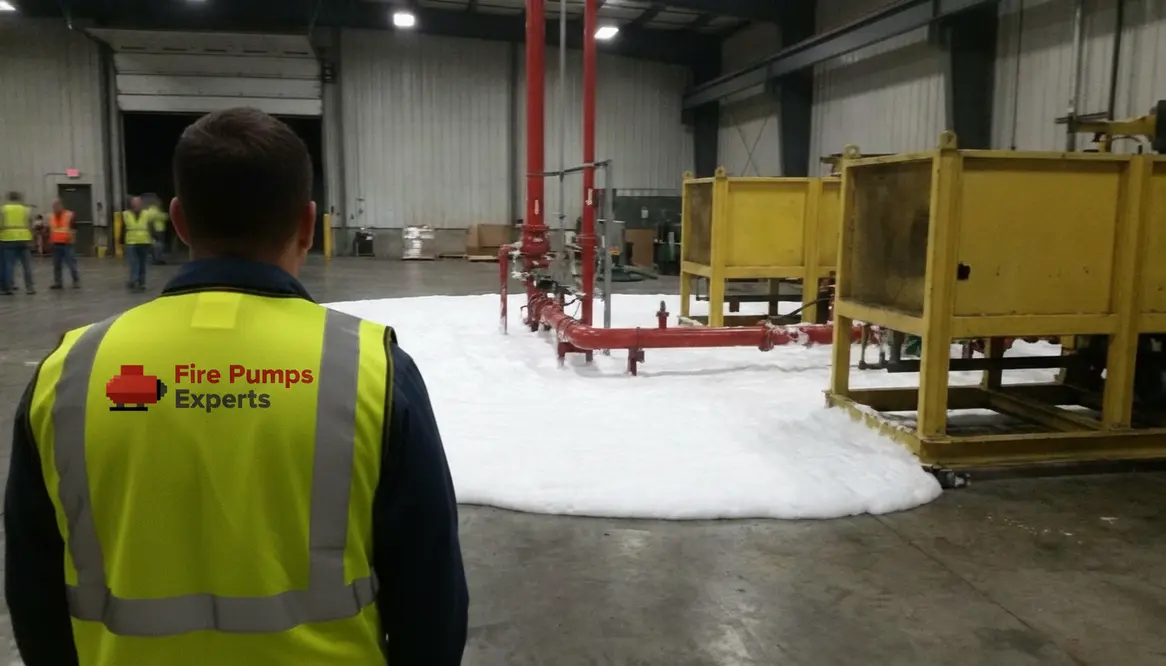
A foam fire suppression system mixes water, foam concentrate, and air to create a blanket that spreads across the burning fuel. First, the system detects heat, flame, or smoke. Then it releases the foam through nozzles or sprinklers into the protected area. After that, the foam expands and covers the fuel surface. As a result, it blocks oxygen and slows the release of flammable vapor.
This matters most in spaces with liquids that burn fast and hot. Think fuel storage, chemical handling, aircraft hangars, and some manufacturing areas. Water can push burning fuel around, which is a bit like trying to fix a spill with a dance move from a bad action movie. Foam, however, stays in place and works with purpose.
Where I Would Use Foam Protection in Commercial Facilities
I would look at foam protection any time a site stores, moves, or processes combustible liquids. That includes:
Common commercial and industrial uses
- Fuel loading and unloading zones
- Flammable liquid storage rooms
- Aircraft hangars
- Paint and coating areas
- Heavy manufacturing spaces
- Power and energy facilities
These locations carry higher risk because a small ignition source can spread fast. Therefore, foam systems often make more sense than standard sprinkler setups. They do not just fight flames. They also help stop re ignition, which is the kind of plot twist nobody wants on a workday.
Why Facilities Choose Foam Over Water Alone
Water does a lot of good work, but it has limits. Foam gives me more control in fuel based fires because it seals the surface and reduces vapor release. That extra layer can save time, lower damage, and improve safety for people on site. Also, foam can handle spill fires better than plain water in many cases.
To make this easier to scan, here is a simple view in two columns:
Water Only
Works well for ordinary combustibles
Can spread some liquid fires
Does not seal vapor
Foam System
Works well for flammable liquids
Helps stop fire spread
Creates a protective blanket
Because of that, many large facilities use foam as part of a broader fire protection plan. If you want a deeper look at related fire protection services, I recommend reviewing commercial fire protection solutions from Kord Fire. It offers a useful reference point for building a stronger safety plan.
What I Check During Design and Installation
Design matters a great deal. A foam fire suppression system must match the hazard, the room layout, and the fuel type. I always look at discharge rate, foam type, nozzle placement, pump pressure, and detection method. If one of those parts misses the mark, the whole system loses strength. That is not drama. That is physics wearing a hard hat.
Installation also has to fit the facility’s operation. For example, a busy warehouse may need fast response and wide coverage, while a tank area may need a targeted application. In addition, the system must meet local code and insurance expectations. That is why planning with skilled fire protection experts matters so much. The right setup protects property, supports business continuity, and helps avoid costly shutdowns.
Maintenance That Keeps Foam Systems Ready
I do not trust a suppression system just because it is installed. I trust it after testing, inspection, and proper upkeep. Foam concentrate can age. Nozzles can clog. Pumps can lose pressure. Sensors can drift. So, regular checks keep the whole setup ready when it counts.
Good maintenance should include:
- Inspection of storage tanks and piping
- Testing of pumps and alarms
- Review of foam concentrate levels and condition
- Cleaning of discharge points
- Verification of detection and control panels
Because these systems protect major properties and industrial sites, routine service is not optional. It is the difference between confidence and crossed fingers, and crossed fingers do not pass code.
FAQ
Final Thoughts
If your facility handles flammable liquids or protects high value industrial assets, I would not leave fire safety to chance. A properly designed foam fire suppression system can give you faster control, less damage, and stronger peace of mind. If you are planning an upgrade, review your risks, compare system options, and speak with a qualified fire protection team today. The right plan protects people, property, and your business future, which is a pretty good return on serious attention.