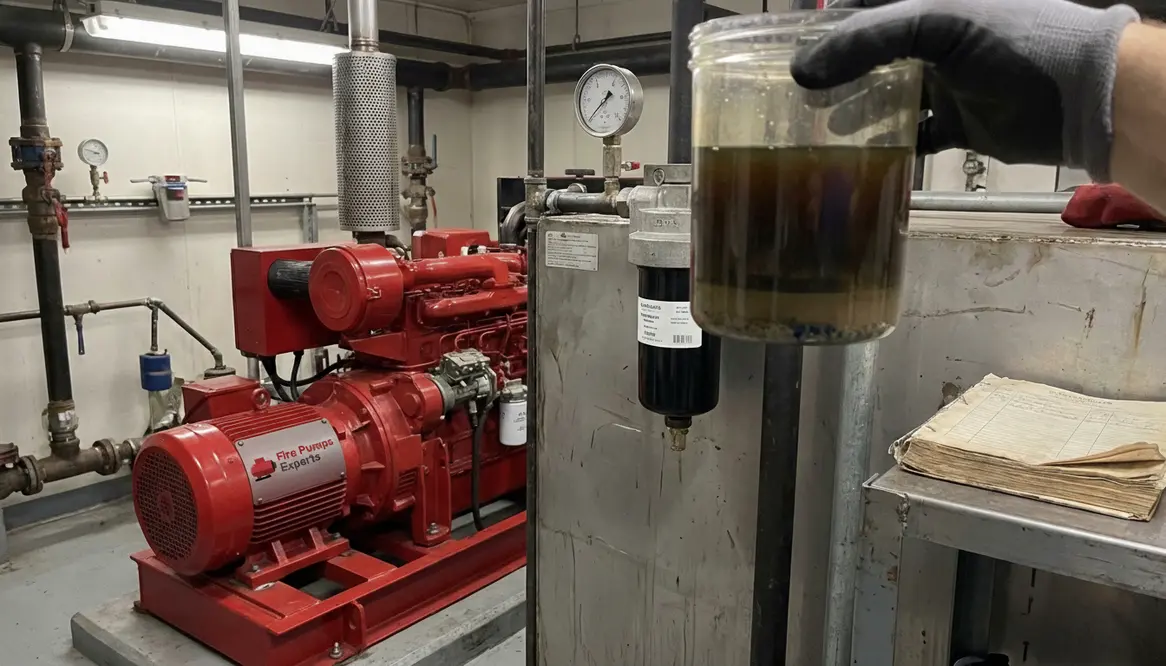
Diesel Fuel Contamination Threatens Fire Pump Reliability
I have seen a lot of systems fail for simple reasons, and diesel fuel is one of them. When diesel fire pump fuel gets dirty, the whole system starts to wobble like a phone on a table with one bad leg. A fire pump may look ready on the outside, but if the fire pump fuel tank holds water, sludge, or rust, the engine can struggle when it matters most. That is why diesel fire pump maintenance matters from day one. I focus on commercial and industrial facilities, and I can tell you this much: reliability is never luck. It comes from clean fuel, steady checks, and a system built to do one job without drama.
Quick care check
For facilities that need dependable fire protection, review los angeles fire pump service and commercial fire pump solutions for a deeper look at system care.
Keep systems in sync
If your operation spans multiple trades, you may also want to study industrial electrical support for critical systems.
Protection is a team sport
And for major properties, plan for fire sprinkler service for major properties.
What contaminated diesel fuel does to a fire pump engine
Contaminated fuel changes how the engine burns, and that is where trouble begins. Water in the fuel can cause rough starts, poor combustion, and injector wear. Dirt and rust can clog filters, while microbial growth can form a slimy mess that behaves like the worst kind of pancake batter. As a result, the engine may crank longer, lose power, or fail to start at all.
I have found that even small amounts of contamination can cause big problems over time. The engine may run, but it may not run well enough to meet the demand of a fire event. In a commercial or industrial setting, that gap can become costly fast. Therefore, fuel quality is not just a fuel issue. It is a reliability issue.
How a fire pump fuel tank gets contaminated
The fire pump fuel tank usually picks up trouble through normal exposure. Temperature swings create condensation inside the tank, and that water settles at the bottom. Then, over time, rust forms. Next, airborne dust, poor refueling habits, and old fuel add more debris. If the tank vents poorly or stays underused for long periods, the problem gets worse.
Here is the simple truth: diesel does not age like fine wine. It breaks down. And when it sits too long, it loses stability and invites contamination. I always pay close attention to facilities where the fire pump rarely cycles, because stagnant fuel can hide problems until the worst possible moment. That is why inspection schedules must stay tight and consistent.
Why fire pump reliability drops fast when fuel quality slips
Reliability falls in stages. First, the engine starts harder than usual. Then, it may stall under load or produce uneven performance. After that, filters clog more often, and the pump may fail to reach proper speed. Finally, the system can become unreliable enough to miss its protection role when the building needs it most.
That chain matters in major properties where fire protection supports people, equipment, and business continuity. A delayed start is not a small issue. It can affect the whole response plan. So, when I look at reliability, I look beyond the pump itself. I look at the fuel, the tank, the filters, and the habits around the system. They all work together, and when one part slips, the rest feel it.
Diesel fire pump maintenance that keeps systems ready
Good diesel fire pump maintenance starts with fuel discipline. I inspect the tank for water, sludge, and rust. I check filters on a set schedule. I test the fuel quality, especially after long idle periods. I also confirm that venting and storage conditions support clean fuel life. That is not glamorous work, but neither is failing during an emergency. Hero music is great in movies, yet it should not be part of a fire pump test.
A short list that prevents drama
- Test fuel quality at planned intervals
- Drain water from the bottom of the tank
- Replace clogged filters before they cause stress
- Use fresh fuel from trusted sources
- Record each check so patterns stand out early
When I stay consistent, I catch small issues before they grow teeth. That is the real win. It saves time, protects the pump, and helps the system stay ready for duty.
How I spot fuel problems before they turn into failure
Here, I look for warning signs that often show up before a breakdown. Slow starts tell me the engine is not getting what it needs. Dark fuel, strong odors, or visible sediment tell me contamination may already be inside the tank. Frequent filter changes often point to a bigger source problem, not just bad luck.
I also pay attention to usage patterns. If a pump sits unused for long periods, fuel may settle and degrade. If the site has changing weather or high humidity, condensation may build faster. Therefore, I never treat fuel issues as isolated events. I treat them as clues. And, like any good detective show, the clues usually point to the same place: the tank.
FAQ
Conclusion
I treat contaminated diesel fuel like a quiet threat, because that is exactly what it is. It waits inside the tank, then shows up when the system must perform. If you manage a commercial or industrial facility, do not let fuel quality become the weak link. Review the tank, test the fuel, and keep your maintenance routine sharp. If you want dependable fire protection, now is the time to act, inspect, and stay ahead of failure before it ever gets a chance.