Early Signs of Fire Pump Bearing Failure
What you should watch for
Sound, heat, vibration, and performance changes are usually the first clues. Catching early signs of fire pump bearing failure keeps repairs smaller and the fire protection system ready.
Why it matters
A bearing problem can turn a reliable pump into an expensive paperweight. Early signs of fire pump bearing failure also help prevent heat buildup, alignment issues, and shaft damage.
The action plan
Document readings, compare them to past records, and recommend the next step. If you catch early signs of fire pump bearing failure early, you can often avoid bigger service events.
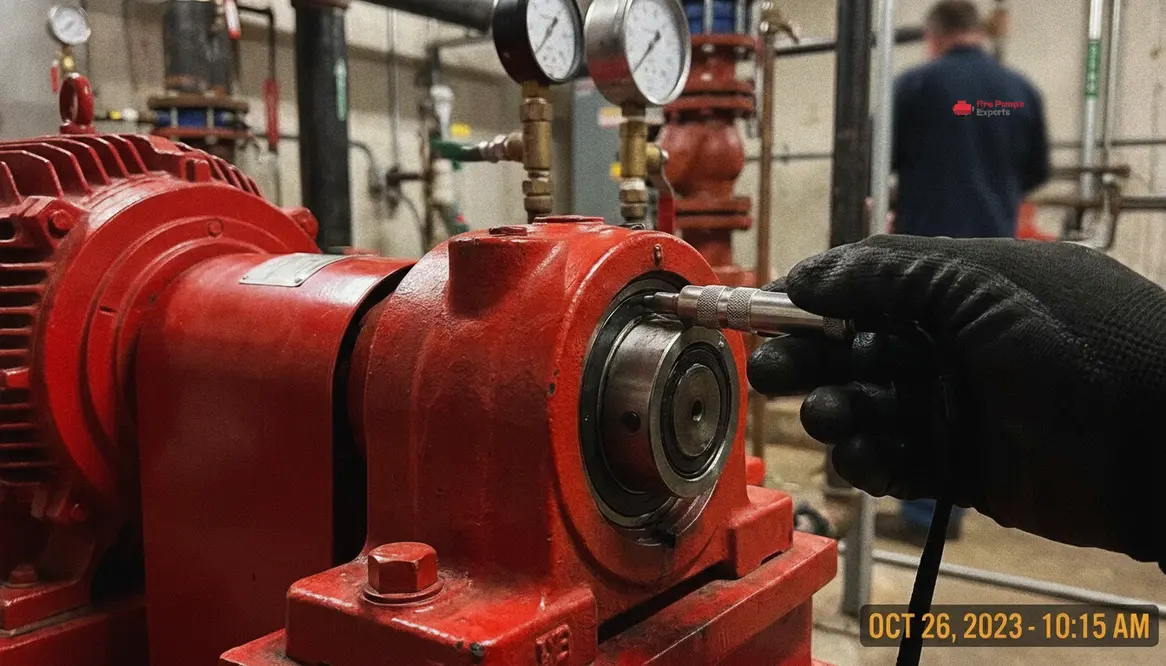
When I inspect a fire pump, I do not wait for a dramatic failure scene like some budget action movie. I look for the early signs of fire pump bearing failure long before the unit starts shouting for help. In commercial and industrial buildings, that matters because a bearing issue can turn a reliable pump into a very expensive paperweight. I keep my focus on sound, heat, vibration, and performance changes, because those clues usually show up first. And yes, the pump usually whispers before it screams, which is lucky for all of us.
Why early bearing problems matter in commercial fire pumps
I treat bearing wear as a serious warning because it can affect the entire fire protection system. A bearing supports the shaft, keeps motion smooth, and helps the pump run under load without excess friction. When it starts to fail, the pump may still run, but it will not run cleanly. That is where trouble begins.
For large commercial and industrial facilities, a weak bearing can lead to heat build up, poor alignment, shaft damage, and even full pump failure. Meanwhile, the system may still look fine from a distance, which is why I never trust the “it sounds okay to me” approach. That is how problems sneak past people who only check the outside.
According to los angeles fire pump services, proper inspection and maintenance help keep fire pumps ready for duty in major property buildings. I agree, because prevention always costs less than panic.
How technicians spot the early signs of fire pump bearing failure
I usually start with the senses. First, I listen for a low rumble, a scraping noise, or a change in pitch. A healthy bearing tends to sound smooth. A failing one often sounds like it is chewing gravel in a steel bowl, which is not a great look for any machine.
Next, I check for heat. If the bearing housing runs hotter than normal, I pay close attention. Then I look at vibration. A small rise in vibration can point to wear, poor lubrication, or shaft stress. In many cases, the pump still works, but the pattern changes. That is the key. I do not need a disaster to know the unit is asking for help. When you identify early signs of fire pump bearing failure like this, you get the advantage of time.
Common field clues I check during inspection
Here is the short version of what I watch for during a site visit:
Dual column view
Left side
Unusual noise during startup
Higher bearing temperature
Visible grease leaks
Loose mounting bolts
Right side
Strong shaft vibration
Burnt smell near the housing
Poor lubrication condition
Uneven pump performance
After that, I inspect the grease condition itself. Clean grease supports smooth movement, while dark, dry, or gritty grease can signal wear or contamination. I also look for seal failure, because bad seals let dirt and moisture reach the bearing. That is a fast track to trouble, and honestly, it is the mechanical version of letting sand into your shoes before a long walk. If you spot early signs of fire pump bearing failure here, you can usually interrupt the whole chain.
What causes early bearing wear in fire pumps?
I see a few main causes again and again. Poor lubrication sits near the top of the list. Too little grease creates friction, while too much grease can create heat and stress. Both can damage the bearing. In other words, more is not always better. Machines do not live by the same logic as pizza.
Misalignment also plays a big role. If the pump and motor do not line up well, the bearing takes extra force. Over time, that force wears the part down. Then there is contamination. Dust, water, and debris can work into the housing and cut bearing life short. In industrial spaces, that risk grows fast because the environment is often rougher than in a clean office building.
I also check for operating conditions that push the pump too hard. Excess load, long run times, and poor installation can all speed up wear. Therefore, I never look at the bearing alone. I look at the whole setup, because the whole system tells the story. When the system tells you early signs of fire pump bearing failure, ignoring it is just inviting the sequel.
What I do when I confirm bearing trouble
Once I confirm a problem, I act fast. First, I document the sound, temperature, vibration, and visual condition. Then I compare the current reading with past maintenance records. That history helps me see whether the issue is new or part of a slow decline. After that, I recommend the next step, which may include relubrication, alignment correction, seal replacement, or bearing changeout.
I also remind facility teams to stay on a regular inspection plan. For large properties, that plan should include test runs, vibration checks, heat checks, and lubrication review. If the site uses related electrical support systems, I often point managers to commercial electrical services for coordinated care. In addition, teams that want broader fire protection support can review Australian fire sprinkler services for related system coverage. When the systems work together, the building stands a much better chance of staying ready, which is the whole goal behind tracking early signs of fire pump bearing failure.
FAQ
Conclusion
If you manage a commercial or industrial property, do not wait for a bearing to fail on its own dramatic schedule. I recommend watching for the early signs, keeping records, and acting before the pump turns noisy, hot, or unstable. That simple habit can protect the whole fire system and reduce costly downtime. If you want fewer surprises and stronger fire pump reliability, now is the time to inspect, correct, and stay ahead of the wear. When you stay sharp for early signs of fire pump bearing failure, the pump stays ready instead of becoming a problem report.