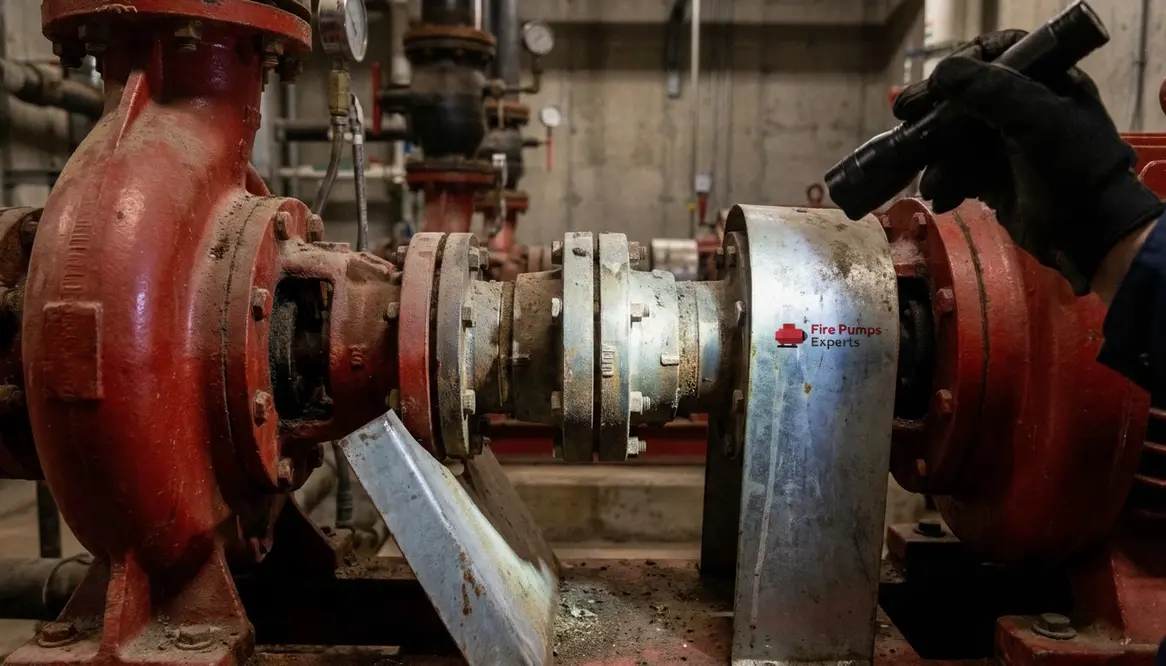
What Technicians Look For Around Fire Pump Couplings
When I walk into a commercial plant, a high rise, or a major property building, I do not start with the flashy parts. I start with the small pieces that keep the whole fire protection system honest. And yes, that includes what to inspect on a fire pump coupling. It may look like a plain connector, but it carries a serious load. If it slips, shakes, wears, or runs out of line, the fire pump can lose the steady performance a building depends on. So, I look close, I move slow, and I let the details speak. They usually do, and sometimes they shout.
For commercial and industrial facilities, a pump coupling is not just hardware. It is part of the chain that keeps water moving when the pressure rises and nobody has time for drama. Think of it like the quiet stage manager in a superhero movie. You may not notice it, but if it fails, the whole show gets messy.
What I check first on a fire pump coupling
When I begin an inspection, I first check the visible condition of the coupling. I look for cracks, rust, oil, heat marks, and loose hardware. Even a small sign of damage can point to a bigger issue. Next, I check the alignment between the pump and the driver. If the shafts are off, the coupling takes the abuse, and that abuse shows up fast in vibration and wear.
I also confirm that the coupling guard stays in place and fits well. A missing guard may seem like a small problem until someone gets too close. Safety comes first, because nobody wants a surprise meeting with spinning parts. I want to see clean edges, tight fasteners, and no signs that the coupling has shifted since the last service.
How I spot wear, heat, and vibration issues
Wear often tells me the story before the system does. I look for rubber break down, metal dust, uneven marks, and any sign that the coupling has been rubbing in the wrong place. If I see heat damage, I ask why it formed. Heat can come from misalignment, poor installation, or too much vibration. So, I do not just note the symptom. I trace it back.
Vibration matters a great deal in large facilities. It can loosen bolts, damage seals, and shorten the life of nearby parts. Therefore, I listen for odd noise, feel for excess movement, and compare what I see with the normal running pattern. If the pump sounds like it wants an encore from a bad rock band, I know I need to dig deeper.
Why alignment and fastening matter so much
Alignment is one of the biggest clues I use when I inspect a fire pump coupling. Even a slight offset can create extra load on the pump, motor, and bearing set. Over time, that stress can turn into costly failure. For that reason, I check shaft line, spacing, and the fit of the coupling halves. I also verify that the set screws, bolts, and keys stay secure.
Fastening issues often hide in plain sight. A bolt may feel snug by hand but still fail under load. So, I inspect the hardware with care and check for signs of movement around the hub. If the marks show shifting, I know the coupling has been working harder than it should. In a busy facility, that kind of wear can turn into downtime, and downtime never shows up with good news. If you are mapping what to inspect on a fire pump coupling, this is where the checklist earns its keep.
Dual View: What I check around the coupling and why it matters
Visual signs
Cracks, rust, leaks, heat marks, and loose guards tell me the coupling may be under stress.
System signs
Vibration, noise, poor alignment, and repeated adjustment needs point to deeper trouble.
What I confirm in records and service history
I never trust one inspection alone. Instead, I compare today’s findings with the service history. That helps me see patterns, not guesses. If the same coupling keeps showing wear, then the root issue may sit elsewhere in the system. Maybe the alignment drifts over time. Maybe the base shifts. Maybe the environment brings heat, moisture, or dust that speeds up damage.
This is also where internal resources help. For teams managing fire protection across large properties, I often point them to los angeles fire pump service resources for more detail on pump care, and to commercial fire sprinkler service support for connected system planning. If the site also needs electrical support tied to fire safety equipment, I review industrial electrical service solutions as part of the bigger picture. Systems work best when the whole chain gets attention, not just the loudest part. Keeping what to inspect on a fire pump coupling tied to the record trail turns “maybe” into “known.”
FAQ
In the end, I treat every fire pump coupling as a small part with a big job. If you manage a commercial or industrial facility, do not wait for a failure to get your attention. Schedule a full inspection, review the service history, and make sure the pump system stays ready when it counts. I can help you spot the warning signs early, protect the equipment, and keep your building prepared for the moment that matters most. If your notes include what to inspect on a fire pump coupling, keep them specific: condition, alignment, fastening, and what the system has been telling you all along.