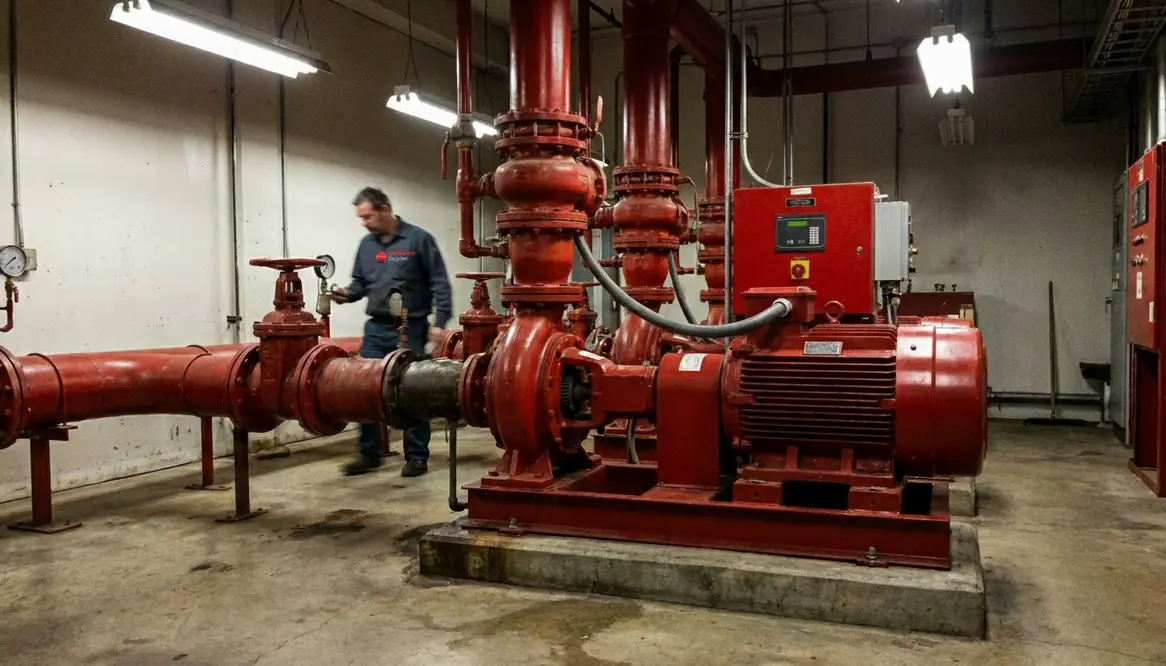
EN 12845 Electric Fire Pump Requirements Guide
EN 12845 electric fire pump requirements explained sounds like the kind of topic that could put a room to sleep. But in the world of commercial and industrial fire protection, it matters a great deal. I look at this standard as the quiet guard standing behind the scenes, ready when pressure drops and water must move fast. For major properties, warehouses, plants, towers, and large business sites, an EN 12845 electric fire pump can be the difference between a system that performs and one that folds under stress. So let me walk you through the key rules, the logic behind them, and the parts that owners, managers, and engineers must get right.
What EN 12845 expects from an electric fire pump
At its core, EN 12845 asks one simple thing: the pump must deliver the right water at the right time, without drama. That sounds easy, of course, until you remember that fire protection does not wait for perfect conditions. The pump must match the system demand, support the design flow, and maintain pressure where the installation needs it most.
Getting pump sizing right
I always start with pump sizing. If the pump is too small, it will not keep the system alive during a fire event. If it is too large, it can create control issues and waste money. Therefore, the pump must align with the sprinkler system design, water supply, and hazard level. EN 12845 also expects the pump to work with a reliable power source, because a beautiful pump with no power is just expensive metal décor.
Startup behavior and reliability
The standard also pushes for dependable start up behavior. In practice, this means the electric pump must begin quickly and run as intended when pressure falls. It should not sit there thinking about life like a movie hero in the final act. Instead, it must respond fast and keep steady output for the full event.
How I check compliance for commercial sites
When I review a commercial or industrial property, I focus on the whole system, not just the pump nameplate. First, I check the water supply. Then I look at the duty point, pressure needs, and test arrangement. After that, I review how the electric supply supports the pump under fire conditions.
The practical view of EN 12845 electric pump design
Design point
The pump must meet the required flow and pressure for the protected hazard.
Power supply
The electric feed must stay reliable and protected, with proper controls and monitoring.
Installation layout
The pump room must allow safe access, clear maintenance space, and correct pipe routing.
Testing access
The system must support routine checks and full performance testing without guesswork.
Inspection, records, and EN 12845 electric readiness
Next, I check whether the installation supports ongoing inspection. A fire pump is not a one time purchase. It needs regular testing, service, and records. In a large facility, that routine matters because small faults grow fast when nobody watches them. And as any facilities manager knows, unseen problems love a Friday afternoon.
EN 12845 electric fire pump requirements for power and control
The electric side deserves special care. The pump needs a stable electrical supply, proper starter controls, and protection that fits the fire duty. However, protection must never block operation when the system calls for water. That balance is the whole game.
Control equipment and status visibility
EN 12845 expects the control equipment to support automatic pump start and reliable manual oversight. It should also allow clear status checks, so staff can spot trouble before an emergency does. I also pay close attention to alarms, fault signals, and power monitoring. If the pump loses supply or shows a fault, someone must know quickly.
Electrical robustness for harsh environments
The wiring and control gear should suit the environment too. In industrial buildings, heat, dust, vibration, and moisture can all attack the system. So, the electrical setup must stay tough enough for the job. Think less luxury car, more armored truck.
Why testing and maintenance keep the system ready
Even the best pump loses value if nobody tests it. That is why I treat inspection as part of the design, not an afterthought. EN 12845 expects routine checks, start tests, and performance review. These tasks confirm that the pump still meets its duty and that the controls still work.
What to test on an EN 12845 electric fire pump
Testing should look at pressure, flow, start behavior, and alarm response. It should also confirm that the power supply remains available and that the pump room stays in good shape. Over time, this record helps owners prove compliance and spot patterns before they become failures.
I also suggest keeping service reports easy to read. When a fault appears, the team should not need a treasure map to find the last test result. Clear records save time, and in fire protection, time always has a price.
Where to get help for large property fire pump design
If you manage a large commercial site, industrial plant, or major property, I strongly suggest expert review before you commit to a pump setup. The standard is precise, and mistakes can lead to weak performance, costly changes, or poor approval results. For a deeper guide to system planning and compliant pump support, I recommend the EN 12845 fire pump compliance resource from a specialist source that focuses on commercial and industrial fire protection.
That kind of support helps you match the pump to the real site demand, the right electrical setup, and the testing plan that keeps the system fit for duty. In other words, it helps you avoid the classic “we thought it was fine” moment, which nobody wants during a fire review. A focused EN 12845 electric review can also highlight gaps in documentation, testing routines, and long term maintenance planning.
For reference material on fire pumps and commercial fire protection topics, resources such as https://firepumps.org can sit alongside your formal EN 12845 electric design work, giving teams a clearer picture of how theory and field practice connect.
FAQ
Conclusion
If I had to sum it up, I would say this: an EN 12845 electric fire pump must be sized well, powered well, installed well, and tested well. Nothing fancy. Just solid work that protects a serious site when every second counts. If you manage a commercial or industrial property, now is the time to review your pump setup, check your records, and bring in expert help if needed. Strong compliance today can prevent a very bad headline tomorrow.