EN 12845 Fire Pump Requirements Guide
EN 12845 Fire Pump Requirements Explained
I write about fire protection with one clear goal: keep commercial and industrial buildings ready before trouble walks through the door. That is where EN 12845 requirements matter. This standard sets the baseline for automatic sprinkler systems across major properties, and the fire pump sits at the heart of that setup. If the pump fails, the system loses pressure, and the whole plan starts to look like a thriller with a very bad ending. So, in this guide, I will explain what the standard expects, how it shapes design, and why facility teams should treat it as a serious business tool, not a box to tick.
What EN 12845 requires from a fire pump
I like to think of the fire pump as the muscle in the sprinkler system. EN 12845 requirements call for a pump that can deliver the needed water flow and pressure for the hazard level in the building. In simple terms, the pump must support the sprinkler demand while the water supply stays stable. That means the design must match the risk, the storage layout, and the size of the protected area.
The standard also expects the pump set to work reliably under real emergency conditions. For that reason, I always look at the full picture: pump type, water source, controls, testing access, and power supply. In commercial and industrial facilities, a weak link in any of these areas can cause a system failure when seconds matter. And yes, fire does not care how busy your maintenance calendar looks.
How I check pump performance and water supply
When I review a project, I first check whether the water supply can meet the pump demand over the required duration. EN 12845 requirements focus on steady performance, so the pump must not only start well but keep going long enough to support sprinkler operation. That means I look at flow, pressure, and the tank or main supply feeding the system.
The pump should also handle the worst expected condition in the protected building. For example, a warehouse with high storage demand needs a different approach than a multi level plant room. Because of that, proper calculation matters more than guesswork. I have seen more trouble come from “close enough” design than from almost any other fire safety mistake. Close enough is fine for karaoke. It is not fine for fire protection.
Fire pump setup for commercial and industrial sites
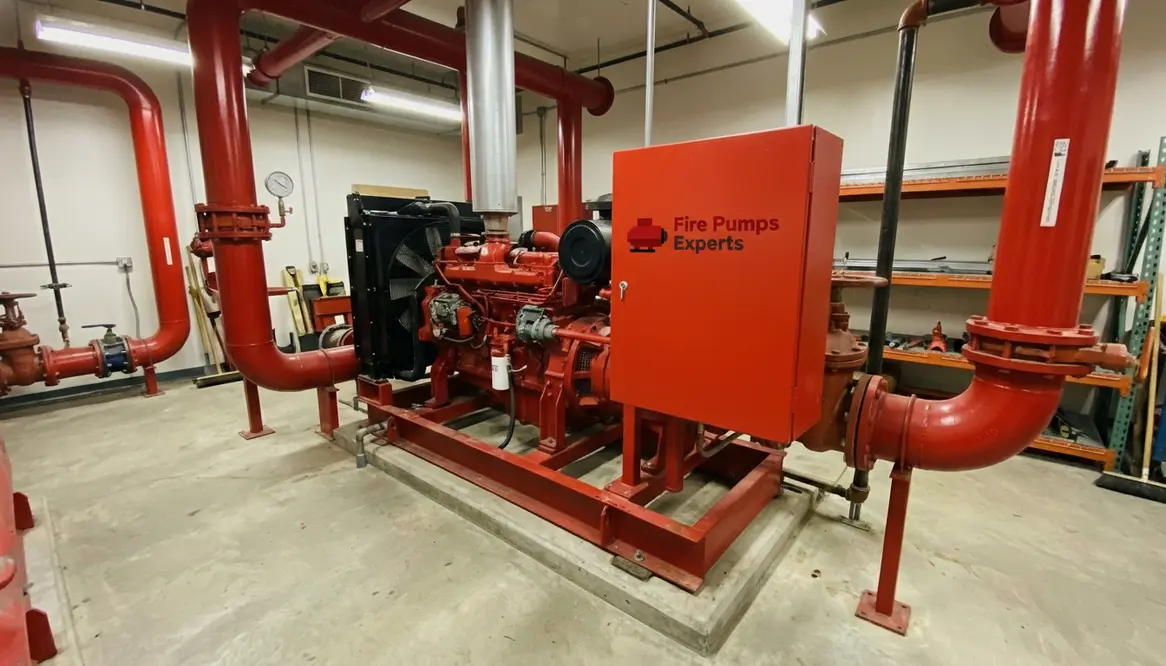
For major properties, I always treat the pump room as a critical space, not an afterthought. The room should stay protected, accessible, and suited to the equipment inside. Good layout helps staff inspect valves, controls, gauges, and alarms without a maze of obstacles. It also supports fast testing and better upkeep.
Key setup points I look for
- Reliable access to the pump room
- Clear space around the pump and drive units
- Good ventilation and safe working conditions
- Protected water supply and proper suction arrangement
- Controls that are easy to test and monitor
- Back up power or a second pump where the design calls for it
Why this matters
- It reduces failure risk
- It supports fast response during alarms
- It makes routine checks easier for facility teams
- It helps the system stay ready in busy sites
In practice, I find that strong setup work saves more time later than any heroic repair ever will. A neat pump room does not just look good; it supports compliance and makes life easier for maintenance teams who already have enough on their plate.
EN 12845 requirements for testing and maintenance
Here is the part people often try to rush, and then regret later. EN 12845 requirements expect regular testing, inspection, and maintenance so the fire pump stays ready. I look for weekly checks, planned flow tests, and ongoing review of alarms, starter systems, fuel where used, and any signs of wear. The point is not to admire the pump from a distance. The point is to prove it works.
Testing should cover starting, running, and pressure delivery. It should also confirm that the pump responds correctly under the test conditions used on site. If the building uses diesel, electric, or a mixed arrangement, each part needs review. I always recommend keeping clear records too, because good logs help prove compliance and make fault finding faster. In fire safety, memory is nice. Written proof is better.
How I use EN 12845 guidance during design reviews
When I support a design review, I treat the standard as a map, not a mystery novel. First, I check the building use and hazard level. Then I confirm the water demand, pump capacity, and protection duration. After that, I verify the pump room layout, power source, and test plan. Finally, I make sure the system stays practical for the people who will run it every day.
I also like to use trusted industry guidance when a project needs deeper review. For teams that want practical support on commercial and industrial fire pump planning, I suggest reviewing EN 12845 fire pump requirements for commercial facilities. It helps connect the standard to real world site needs without turning the process into a paperwork marathon worthy of a sitcom season finale.
FAQ
Common questions about EN 12845 requirements and fire pumps, answered in plain language.
Conclusion
If you manage a commercial or industrial property, I urge you to treat EN 12845 requirements as a core part of fire safety, not a side note. A well chosen fire pump supports the whole sprinkler system, protects assets, and gives your team a stronger line of defense. So, take a hard look at your design, your testing, and your maintenance plan. If you need expert help, now is the right time to act before a small gap becomes a very expensive lesson.