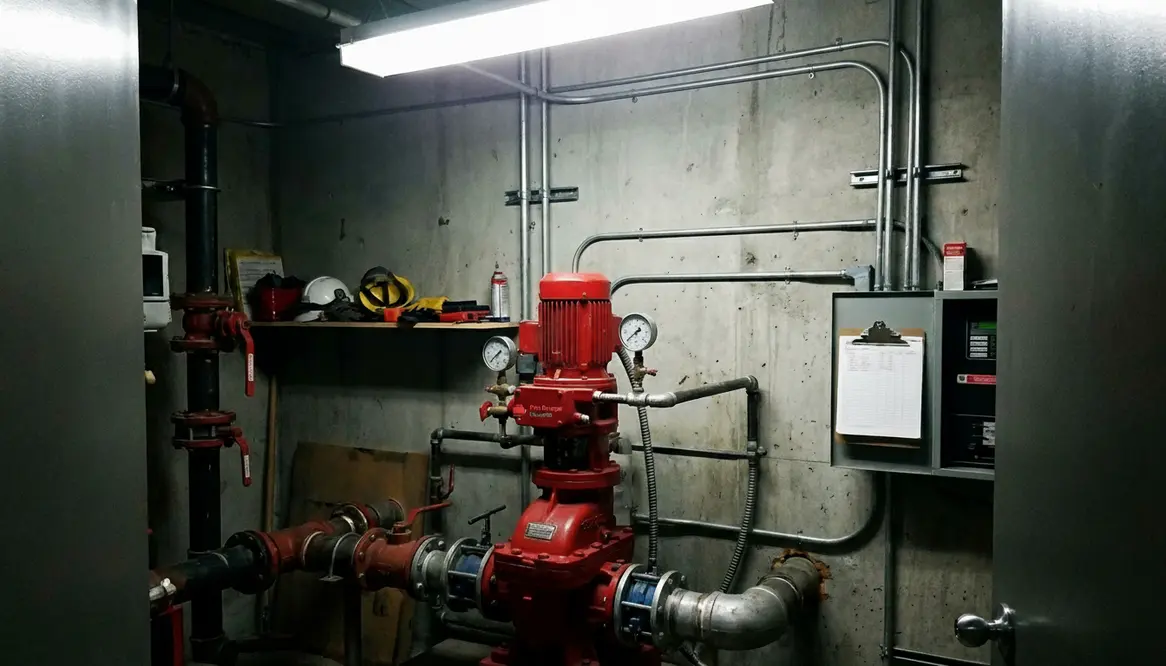
End Suction Fire Pump Commercial Anaheim Guide
I have spent enough time around mechanical rooms to know this: when things go quiet, they should stay quiet. Especially when we are talking about fire protection. In Anaheim’s smaller commercial buildings, reliability is not a luxury, it is the baseline. That is where the end suction fire pump commercial Anaheim conversation begins. It is not flashy equipment, but it is the kind that shows up, does the job, and never asks for applause. And frankly, that is exactly what you want when everything else is going wrong.
What I Look for in End Suction Fire Pump Commercial Anaheim Systems
When I walk into a building, I am not looking for bells and whistles. I am looking for simplicity that works. End suction pumps have a straightforward design, which means fewer moving parts and fewer surprises. That alone makes them ideal for smaller commercial properties across Anaheim.
Now, because these buildings often have limited space, I find that end suction configurations fit like a well tailored suit. They take up less room, and yet they still deliver the pressure needed to meet fire code requirements. Moreover, maintenance becomes far less of a headache. And let’s be honest, nobody wants a complicated system when an inspector is standing there with a clipboard and a raised eyebrow.
In addition, these pumps are cost effective without cutting corners on performance. That balance matters. After all, budgets are real, but so is risk. When you specify an end suction fire pump commercial Anaheim installation, you are aiming for that sweet spot where safety, code compliance, and financial reality line up instead of fighting each other.
Why Smaller Commercial Buildings Benefit the Most
Smaller commercial properties have a unique rhythm. They do not operate like high rise towers, yet they still demand serious fire protection. That is where end suction pumps shine.
For one thing, they provide consistent water flow without requiring oversized infrastructure. As a result, property managers can avoid overengineering their systems. And yes, overengineering sounds impressive until you have to pay for it.
Additionally, these pumps integrate smoothly with existing fire sprinkler systems. That means fewer retrofitting challenges. I have seen projects where a simple installation saved weeks of downtime. In business, time is money. In fire protection, time is everything.
And while we are at it, let me say this: a pump that is easy to test regularly is a pump that actually gets tested. That alone can make the difference between compliance and catastrophe, especially when that pump is the primary end suction fire pump commercial Anaheim facilities are relying on during their most critical minutes.
How Does an End Suction Fire Pump Actually Work?
I like to think of it as the strong, silent type. Water enters through one end, gets pressurized by the impeller, and exits with purpose. No drama. No unnecessary complexity.
Because of this linear flow design, efficiency stays high while energy use remains reasonable. Furthermore, operators can quickly identify issues since the layout is intuitive. You do not need to be a detective to figure out what is happening inside the system.
And if you are picturing something out of a sci fi movie, dial it back. This is more like a reliable pickup truck than a spaceship. It gets the job done every single time.
Why That Simplicity Matters During Emergencies
In the middle of an alarm, there is no time for exotic engineering. The more direct the flow path, the easier it is for technicians to understand what the pump is doing, confirm it is running, and verify pressure and flow readings. A clear suction line, a focused discharge, and a controller that behaves predictably reduce the chance of surprises at the worst possible moment.
Key Components I Pay Attention To
Core Elements
- Pump casing and impeller for consistent pressure
- Driver which is usually electric in commercial setups
- Controller that ensures automatic operation
- Suction and discharge piping designed for smooth flow
Operational Priorities
- Reliable start during emergencies
- Stable pressure under varying demand
- Ease of inspection and testing
- Compliance with local Anaheim codes
Each of these parts plays a role, but together they form a system that must perform under pressure. Literally. Therefore, I always stress proper installation and routine testing. A great pump installed poorly is like casting the wrong actor in a blockbuster. It just does not work.
When selecting or reviewing an end suction fire pump commercial Anaheim setup, I pay close attention to how all of these components talk to each other: the controller logic, the jockey pump arrangement, alarm feedback to the fire alarm panel, and the practical space around the unit for service. The technical specs matter, but so does the everyday usability.
End Suction Fire Pump Commercial Anaheim Installation Considerations
Start With Supply, Not Hardware
Installing these systems in Anaheim is not just about mechanics. It is about understanding local regulations and building demands. I always begin with a clear assessment of water supply and pressure requirements. Without that, everything else becomes guesswork.
Placement, Access, and Practical Reality
Next, I focus on placement. Accessibility matters. If technicians cannot reach the pump easily, maintenance will suffer. And when maintenance suffers, reliability follows right behind.
Moreover, I ensure the system aligns with NFPA standards and local fire codes. Inspectors in Anaheim do not play around, and frankly, neither should you. Compliance is not optional.
Finally, I look at long term serviceability. A well installed system should not just pass inspection today. It should still perform years down the line without constant intervention. The smartest end suction fire pump commercial Anaheim projects I have seen are the ones where future access, testing clearances, and controller upgrades were all part of the original conversation, not an afterthought.
Maintenance That Keeps Everything Running Smoothly
Here is where discipline comes into play. Regular testing is not glamorous, but it is essential. Weekly churn tests, monthly inspections, and annual performance checks all serve a purpose.
Additionally, I recommend keeping detailed records. Not because paperwork is fun, but because it tells a story. And when something goes wrong, that story helps you fix it faster.
Also, do not ignore small issues. A minor vibration or unusual noise can signal bigger problems ahead. Think of it like a check engine light. You can ignore it, but you probably should not.
In my experience, consistent upkeep turns a good system into a dependable one. And dependability is the whole point. Couple that with a well designed end suction fire pump commercial Anaheim layout, and you end up with a system that does more than just pass inspection; it earns trust every single time the test header opens.
FAQ: Quick Answers You Can Use
Most of the recurring questions about these systems tend to fall into a few familiar categories. Instead of keeping those answers buried in spec sheets, here they are in one place, ready when you are.
Bringing It All Together
If you are managing a commercial or industrial property in Anaheim, this is not the place to cut corners. The right system protects lives, assets, and your peace of mind. I have seen what a well designed setup can do, and I have seen what happens when it is neglected. Choose reliability. Choose expertise. And when you are ready to take the next step, connect with professionals who understand the demands of an end suction fire pump commercial Anaheim system and can deliver performance you can trust.
There is no trophy for having the most complicated pump room; the reward comes from a quiet, steady system that comes to life exactly when it should and never steals the spotlight the rest of the time. Build for that moment, maintain for that moment, and make sure your end suction fire pump commercial Anaheim installation is ready to carry the load when everything else is on the line.