Fire Pump Acceptance Test Austin Electrical Corrections
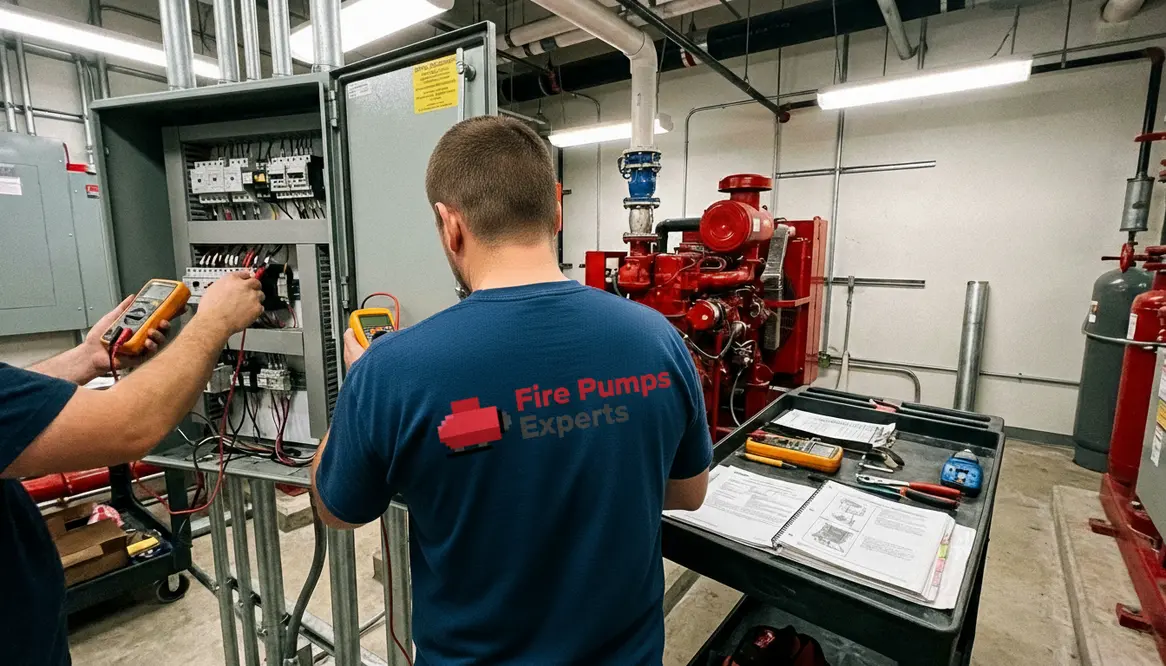
In Austin, large commercial and industrial buildings depend on fire pumps the same way a city depends on coffee on Monday morning. They keep water moving when pressure drops and lives are on the line. Yet when I walk into a facility preparing for a fire pump acceptance test austin avoid electrical corrections, I often see the same story play out. The mechanical side looks impressive. The pump gleams. The piping shines. Then we open the controller panel and suddenly the room gets quiet.
Electrical corrections become the unexpected villain of the day. However, with the right preparation, those issues rarely need to appear. Over the years I have watched projects pass smoothly and others stall over avoidable details. So let me walk you through how I approach acceptance testing in Austin facilities and how we keep electrical corrections from stealing the show.
When you zoom out, a successful fire pump acceptance test austin avoid electrical corrections effort is really a coordination exercise. The pump itself rarely fails in spectacular fashion. It is almost always the little electrical oversights that derail the schedule, force re-inspections, and add cost. That is why I put as much attention into the controller room as everyone else puts into the pump room paint job.
Austin facilities are often complex: hospitals with redundant power, data centers with sensitive loads, high rise offices with layered life safety systems. In that environment, your fire pump power and controls cannot be an afterthought. Treating electrical readiness as a first-class priority is how we turn inspection day into a calm, predictable event instead of a cliffhanger.
Why Electrical Issues Derail Fire Pump Acceptance Tests
First, let us set the stage. An acceptance test verifies that a fire pump system works exactly as designed. Inspectors, engineers, contractors, and facility teams gather around the equipment like a panel of judges on a reality show. Only instead of singing, the system must deliver pressure, flow, and proper electrical operation.
Electrical corrections often appear because several teams touch the system before testing. Electricians install feeders. Control contractors connect signals. Pump manufacturers provide controllers. Meanwhile, inspectors enforce National Fire Protection Association standards.
Consequently, a small disconnect in coordination can create a big correction during the test.
I often see issues such as:
- Incorrect breaker sizing for the fire pump controller
- Improper grounding or bonding
- Voltage drop from long feeder runs
- Miswired alarm or supervisory circuits
- Controller settings not matching the pump motor
None of these problems are dramatic. Yet during an acceptance test they stop everything cold. And trust me, when a room full of engineers waits while someone hunts for a missing wire label, it feels longer than the final scene of a superhero movie.
Fire Pump Acceptance Test Austin Avoid Electrical Corrections With Early Electrical Planning
The easiest corrections to fix are the ones that never appear. Therefore I start with electrical planning long before the pump spins for the first time.
In large Austin commercial properties such as hospitals, data centers, and high rise offices, the electrical infrastructure must support instant motor startup. Fire pump motors pull significant current. When that motor kicks on, the system cannot hesitate.
So I review several electrical elements early.
Power source reliability
First, the power source must meet code requirements. Dedicated feeders and properly rated breakers ensure the pump always receives priority power. If your utility feed or standby generator stumbles the moment the fire pump demands full load, the entire protection strategy wobbles with it.
Controller compatibility
Next, I confirm the controller rating matches the motor voltage and horsepower. This sounds obvious. However, mismatched equipment shows up more often than you might think. The nameplate, shop drawings, and submittals all need to agree so that on test day, the controller behaves exactly as the design intended.
Clear labeling
Finally, labeling matters more than most teams expect. Inspectors must quickly identify disconnects, feeders, and alarm circuits. When everything reads clearly, the test moves quickly. When labels are missing or confusing, people start tracing wires by hand, and no one enjoys that field trip.
Because of this preparation, many facilities pass their electrical review before the pump ever runs. That is the quiet victory behind a fire pump acceptance test austin avoid electrical corrections plan that actually works.
Common Electrical Corrections I See During Austin Acceptance Tests
Now let me pull back the curtain. These are the corrections that appear most often during acceptance tests in large commercial facilities.
Frequent electrical corrections
- Improperly sized circuit breakers
- Missing controller grounding
- Incorrect phase rotation
- Unprotected control wiring
- Disconnected supervisory signals
What prevents them
- Breaker sizing verified during design review
- Grounding inspected before energizing equipment
- Motor rotation tested prior to inspection day
- Conduit protection installed for low voltage wiring
- Alarm connections confirmed with fire panel contractor
Each correction seems minor. Yet during a formal test, inspectors must document every issue. That means delays, re inspections, and sometimes a room full of people wondering who brought the donuts while they wait.
Therefore the smartest facilities treat the electrical inspection as seriously as the hydraulic performance test. They study resources on ongoing fire pump testing requirements, keep maintenance current, and arrive at acceptance day with a system that already behaves like it has been in service for years.
How I Prepare Large Facilities for a Smooth Acceptance Day
Preparation transforms the acceptance test from a stressful inspection into a confident demonstration.
Step 1: Detailed electrical walkthrough
First, I conduct a detailed electrical walkthrough. I check feeders, grounding, disconnects, and controller configuration. If something looks questionable, we correct it immediately. I want every conduit, lug, and termination to tell the same story the drawings do.
Step 2: Pre test fire pump run
Next, we perform a pre test run. The pump starts under controlled conditions while we monitor voltage, current, and controller behavior. In many cases this simple step reveals wiring or configuration issues before inspectors ever arrive. It is much easier to re land a control wire on Tuesday afternoon than during a crowded test on Friday morning.
Step 3: Fire alarm and signal coordination
Then I coordinate with the fire alarm contractor. Fire pump systems communicate with building fire alarm panels through supervisory signals. If those signals fail during the test, inspectors will halt the process instantly. Verifying points at the panel ahead of time keeps the narrative smooth: pump runs, alarms report, everyone nods.
Step 4: Documentation ready to go
Finally, documentation matters. Electrical diagrams, motor data, and controller specifications must all match the installed equipment. When inspectors see organized documentation, confidence rises and questions decrease. Your chances of a fire pump acceptance test austin avoid electrical corrections outcome go up dramatically when the paperwork and the wiring tell the same story.
Preparation may not sound glamorous. However, it prevents the kind of surprise that makes everyone stare at the electrical room like it just betrayed them.
Fire Pump Acceptance Test Austin Avoid Electrical Corrections Through Smart Coordination
The most successful acceptance tests share one trait. The entire project team communicates clearly before inspection day.
Electrical contractors verify wiring.
Fire protection contractors confirm pump installation.
Engineers review system design.
Facility managers ensure building power systems support startup loads.
Because these roles overlap, coordination eliminates the blind spots where corrections hide.
In Austin’s large commercial buildings this collaboration becomes even more important. High rise towers, distribution centers, and manufacturing campuses rely on complex electrical infrastructure. The fire pump must integrate seamlessly into that system.
When coordination works well, the acceptance test becomes almost uneventful. The pump starts, gauges climb, alarms activate, and inspectors nod with quiet approval. It is not dramatic. But in life safety systems, boring is exactly what we want.
What Building Engineers Usually Ask Before Scheduling the Test
Many facility teams ask the same questions before we schedule an acceptance test. Here are the short answers I give.
How early should electrical inspections happen?
Electrical verification should occur several weeks before the acceptance test. Early checks allow contractors to correct wiring, breaker sizing, or controller setup without delaying final inspection.
Does voltage drop affect fire pump performance?
Yes. Excessive voltage drop can prevent the motor from reaching proper speed. Inspectors may reject the system if electrical supply conditions reduce pump performance. Long feeders, heavy loads, or misapplied conductors can all show up as disappointing numbers on the test gauge.
Who is responsible for controller configuration?
Typically the fire pump supplier configures the controller, but electrical contractors must ensure proper wiring and power supply. I encourage facility teams to treat configuration as a shared responsibility and verify it during their own internal fire pump acceptance test austin avoid electrical corrections checklist.
What documentation should be ready?
Have electrical diagrams, controller manuals, motor data sheets, and inspection reports ready for review during the test. When an inspector asks a question, being able to slide the exact page across the table keeps the conversation short and productive.
Can acceptance tests fail due to minor electrical issues?
Yes. Even small wiring errors or missing labels can delay approval until corrections are completed. From the inspector’s point of view, a loose termination or unlabeled disconnect hints at deeper problems, so they are obligated to call it out.
Conclusion
If your Austin facility is preparing for a fire pump inspection, the smartest move is preparation that focuses on electrical readiness. When teams plan early, coordinate contractors, and verify controller setup, the fire pump acceptance test austin avoid electrical corrections process becomes smooth and predictable. My team works with large commercial and industrial properties across Austin to prepare systems before inspectors arrive. If you want your acceptance day to feel calm instead of chaotic, let us help you get the pump and the power ready.