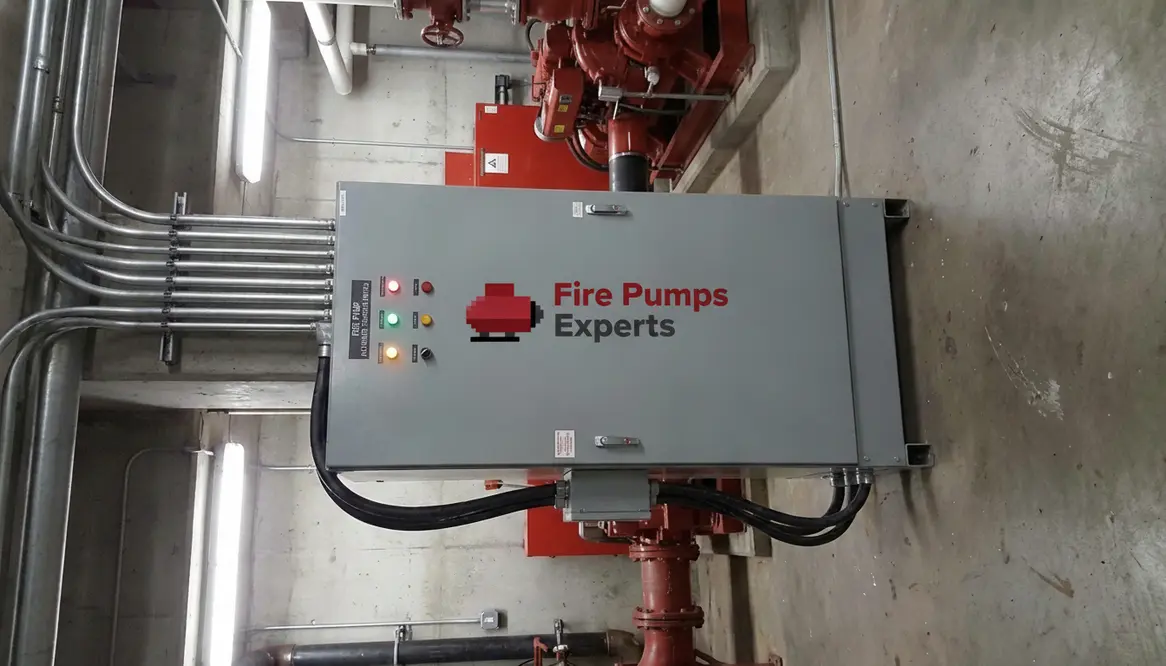
Fire Pump Automatic Transfer Switch: Design, Maintenance
When I talk about a fire pump automatic transfer switch, I am talking about one of those quiet heroes that only gets attention when the lights go out and the stakes get very real. In a commercial or industrial building, this device helps move power from the normal source to the emergency source without drama, delay, or the kind of uncertainty that makes people check their phones for answers they will not find. And yes, that little switch does more heavy lifting than most office coffee machines ever dream of.
For major properties, the goal is simple. Keep the fire pump ready, keep the system compliant, and keep water moving when the building needs it most. I will break down how this switch works, why it matters, and what I look for when a facility depends on it. We will keep it practical, clear, and focused on commercial and industrial use only.
What a fire pump automatic transfer switch does
The fire pump automatic transfer switch monitors incoming power and shifts the fire pump to a backup source when the main supply fails. In plain terms, it acts like the building’s calm middleman. If utility power drops, the switch reacts fast so the fire pump can keep working during an emergency.
This matters because fire pumps protect large systems that need strong water pressure. In a major property, even a short delay can affect sprinkler performance and response time. So, the switch does not just sit there looking important. It helps keep the pump available when every second counts.
Also, a good transfer switch design supports reliability under harsh conditions. It must handle high demand, sudden power loss, and the kind of stress that would make a laptop give up and cry.
How I see it work inside a fire protection system
The process starts with normal power. The switch stays on standby and keeps watch. Then, if the main source fails, it signals a transfer to the emergency source. After that, the fire pump continues to run so the building keeps the pressure needed for fire protection.
Here is the basic flow I use when explaining it:
Power path in simple terms
Normal utility power feeds the building.
The transfer switch monitors that power.
A failure or loss triggers a change in source.
The emergency supply takes over.
The fire pump keeps running for protection.
The system stays ready until normal power returns and conditions allow a safe switch back.
Because this equipment serves life safety needs, the timing and control logic must stay dependable. That is why testing and correct setup matter so much. In my view, a switch without proper care is like a superhero with a bad utility belt. Nice suit. Wrong mission.
What I check during design and installation
I always focus on the power source, the control method, and the building load. First, the switch must match the pump requirements. Then, it must align with the emergency power setup. Finally, it must fit the facility’s fire protection plan without creating weak points.
I also look at location. The switch should sit where staff can access it for service, but it must also stay protected from damage, heat, and water exposure. That balance is important in commercial and industrial facilities, where mechanical spaces can get crowded fast. It is easy to treat equipment placement like a game of Tetris, but this is not the place for creative guessing.
Just as important, I review the related emergency power design. For a useful guide on that broader topic, I often point people to commercial emergency power systems requirements design and maintenance. It helps connect the fire pump transfer switch to the larger backup power picture.
Why maintenance protects commercial facilities
Once the system is installed, maintenance becomes the quiet dealmaker. I check for loose connections, worn parts, control issues, and signs of overheating. I also confirm that the switch responds the way it should during testing.
Regular service matters because emergency equipment does not get to choose a convenient failure time. It tends to fail when the building is under pressure, which is rude but on brand for power systems. So, I like a routine that includes inspection, functional checks, and coordination with the facility’s fire protection team.
In major properties, maintenance also supports compliance. If a building depends on a fire pump, the transfer switch must stay ready to serve. That means the system needs attention before trouble shows up, not after.
When to call for expert support
I suggest expert help any time the system shows odd behavior, the load changes, or the facility expands. New equipment, new tenants, or a new pump arrangement can all affect the transfer switch setup. Also, if the building uses a large fire protection system, the risk of a bad match goes up fast.
For commercial and industrial facilities, the smartest move is to treat the switch as part of a larger life safety system, not as a small electrical add on. If you need focused fire pump support, I recommend reviewing los angeles fire pump services for more details on fire pump solutions for major properties.
FAQ
Conclusion
If you manage a commercial or industrial property, I want you to treat the fire pump automatic transfer switch like the quiet guard it is. It protects water flow, supports emergency response, and keeps your system ready when the grid takes a nap. If you need help reviewing design, maintenance, or system fit, now is the time to act. A strong fire pump setup starts with the right switch, the right plan, and the right people watching over it.