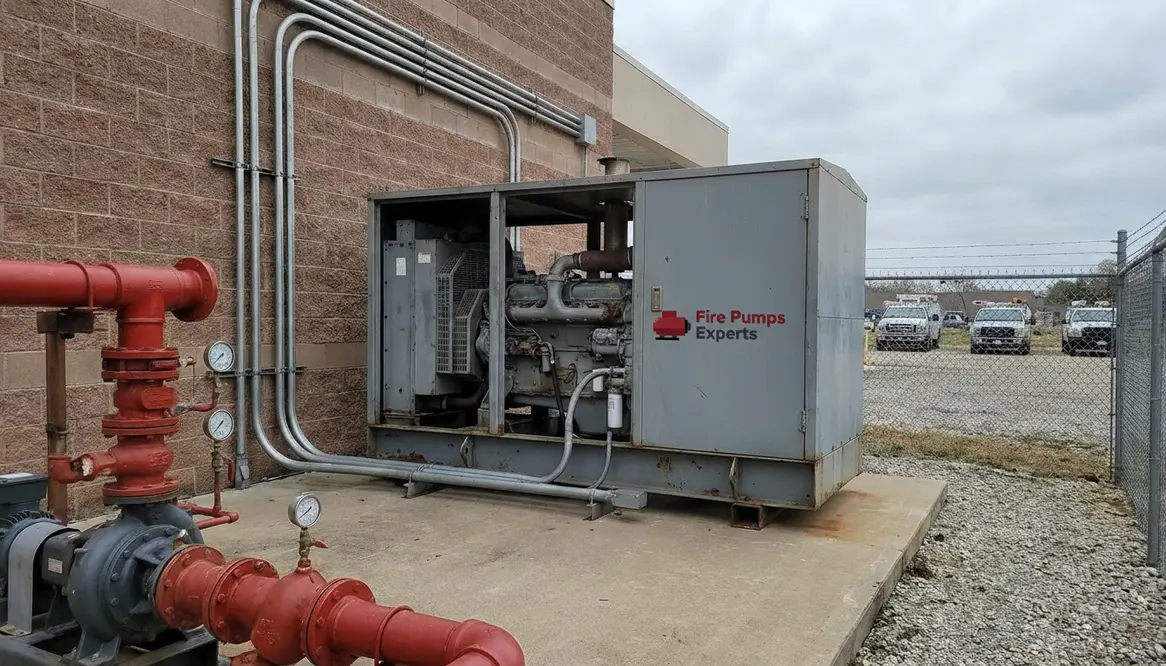
Fire Pump Generator Sizing: Starting Current & Load
When I talk about fire pump generator sizing, I am not just talking about a box of metal and wires. I am talking about whether a commercial or industrial property can keep its fire protection alive when the grid goes dark. That is a serious matter, but it does not have to feel like rocket science. If I size it right, the fire pump starts when it should, carries the load it must, and keeps the building protected without drama. And yes, drama belongs in the movies, not in a life safety system.
Why starting current matters so much
The fire pump motor does not start politely. It pulls a heavy surge of current the moment it kicks on, and that surge is usually much higher than normal running current. Because of that, I always begin with the motor starting current, not just the nameplate full load amps. If I ignore that first hit, the generator may sound confident for about five seconds, then fold like a folding chair at a family reunion.
In a fire event, the generator must handle that starting demand while still supporting any other required loads. So I look at the motor type, starting method, voltage drop, and how fast the generator can recover after the initial burst. That first second can decide the whole system’s performance.
How I read the load list for fire pump systems
Every project starts with the load list. I separate the fire pump from the rest of the emergency equipment, because the pump usually gets special treatment under code and design rules. Then I review what must run at the same time and what can wait. This part matters, because a generator that serves a commercial tower is not the same as one serving a warehouse, even if both sound equally boring at a meeting.
Here is the practical flow I use:
Dual view of the sizing check
Left side
• Fire pump motor starting load
• Fire pump running load
• Controller demand
• Accessory loads tied to the fire system
Right side
• Emergency lighting
• Fire alarm equipment
• Control power
• Other required building loads
Once I map those items, I can see the real demand. Then I check whether the generator can accept the sudden inrush without a deep voltage dip. If the voltage falls too far, the motor may struggle, and that is not a situation anyone wants to explain later.
What I check before I choose generator capacity
I never size a generator from a guess and a coffee refill. I use a few hard facts instead. First, I confirm the motor horsepower and starting method. Next, I check whether the pump is electric and whether any sequential starting rule applies. Then I review the load step tolerance of the generator itself. Some units handle big jumps better than others, and the wrong match can create a weak start or unstable output.
I also look at ambient conditions, fuel supply, and site layout. A generator in a hot, tight space may not perform the same way it does on paper. That is why fire pump generator sizing must fit the real site, not a fantasy version built in a spreadsheet at 11:47 p.m.
Key items I verify:
• Motor locked rotor current or starting current
• Generator kW and kVA rating
• Step load acceptance
• Voltage dip during startup
• Other emergency loads on the same system
• Applicable code and installation limits
How I avoid common sizing mistakes
The most common mistake I see is treating the fire pump like a normal load. It is not. Another mistake is sizing only for running amps and forgetting the starting surge. That shortcut can cost a project more time, more money, and more stress than anyone wants. And stress, as we know, already has enough fans.
I also avoid mixing unrelated loads into the calculation without checking priority. If a building has a fire pump, emergency lights, controls, and perhaps other required systems, I make sure the generator can carry the critical path first. After that, I review what can be staged. A smart sequence can reduce the shock to the generator and improve reliability.
For a deeper look at related emergency power planning, I often point teams to this commercial emergency power systems guide. It helps tie generator design to the full emergency power picture, which is where real projects live and breathe.
When I connect code, site need, and real performance
Fire pump generator sizing works best when I balance three things: code, load, and site conditions. Code sets the floor. The load list sets the demand. The site tells me what the equipment can truly do. When those three line up, the result is a system that starts fast, holds steady, and supports the building when the power goes out.
For commercial and industrial facilities, I also keep the focus on life safety and business continuity. A major property cannot afford guesswork here. If the generator misses the mark, the fire protection system becomes a paper tiger, and nobody wants that headline.
If you need a closer look at fire pump support for large properties, you can review los angeles fire pump solutions for more context on system planning and protection needs.
FAQ
Conclusion
If I want a fire pump system to perform when it matters, I must size the generator with care, not hope. Starting current, load mix, and site conditions all shape the final answer. So I recommend reviewing the motor data, checking the emergency loads, and aligning the design with the building’s real needs. If your property depends on reliable fire protection, now is the time to act. A proper review today can save the whole system tomorrow.
Fire Pump Generator Sizing: Starting Current & Load
When I talk about fire pump generator sizing, I am not just talking about a box of metal and wires. I am talking about whether a commercial or industrial property can keep its fire protection alive when the grid goes dark. That is a serious matter, but it does not have to feel like rocket science. If I size it right, the fire pump starts when it should, carries the load it must, and keeps the building protected without drama. And yes, drama belongs in the movies, not in a life safety system.
Why starting current matters so much
The fire pump motor does not start politely. It pulls a heavy surge of current the moment it kicks on, and that surge is usually much higher than normal running current. Because of that, I always begin with the motor starting current, not just the nameplate full load amps. If I ignore that first hit, the generator may sound confident for about five seconds, then fold like a folding chair at a family reunion.
In a fire event, the generator must handle that starting demand while still supporting any other required loads. So I look at the motor type, starting method, voltage drop, and how fast the generator can recover after the initial burst. That first second can decide the whole system’s performance.
How I read the load list for fire pump systems
Every project starts with the load list. I separate the fire pump from the rest of the emergency equipment, because the pump usually gets special treatment under code and design rules. Then I review what must run at the same time and what can wait. This part matters, because a generator that serves a commercial tower is not the same as one serving a warehouse, even if both sound equally boring at a meeting.
Here is the practical flow I use:
Dual view of the sizing check
Left side
• Fire pump motor starting load
• Fire pump running load
• Controller demand
• Accessory loads tied to the fire system
Right side
• Emergency lighting
• Fire alarm equipment
• Control power
• Other required building loads
Once I map those items, I can see the real demand. Then I check whether the generator can accept the sudden inrush without a deep voltage dip. If the voltage falls too far, the motor may struggle, and that is not a situation anyone wants to explain later.
What I check before I choose generator capacity
I never size a generator from a guess and a coffee refill. I use a few hard facts instead. First, I confirm the motor horsepower and starting method. Next, I check whether the pump is electric and whether any sequential starting rule applies. Then I review the load step tolerance of the generator itself. Some units handle big jumps better than others, and the wrong match can create a weak start or unstable output.
I also look at ambient conditions, fuel supply, and site layout. A generator in a hot, tight space may not perform the same way it does on paper. That is why fire pump generator sizing must fit the real site, not a fantasy version built in a spreadsheet at 11:47 p.m.
Key items I verify:
• Motor locked rotor current or starting current
• Generator kW and kVA rating
• Step load acceptance
• Voltage dip during startup
• Other emergency loads on the same system
• Applicable code and installation limits
How I avoid common sizing mistakes
The most common mistake I see is treating the fire pump like a normal load. It is not. Another mistake is sizing only for running amps and forgetting the starting surge. That shortcut can cost a project more time, more money, and more stress than anyone wants. And stress, as we know, already has enough fans.
I also avoid mixing unrelated loads into the calculation without checking priority. If a building has a fire pump, emergency lights, controls, and perhaps other required systems, I make sure the generator can carry the critical path first. After that, I review what can be staged. A smart sequence can reduce the shock to the generator and improve reliability.
For a deeper look at related emergency power planning, I often point teams to this commercial emergency power systems guide. It helps tie generator design to the full emergency power picture, which is where real projects live and breathe.
When I connect code, site need, and real performance
Fire pump generator sizing works best when I balance three things: code, load, and site conditions. Code sets the floor. The load list sets the demand. The site tells me what the equipment can truly do. When those three line up, the result is a system that starts fast, holds steady, and supports the building when the power goes out.
For commercial and industrial facilities, I also keep the focus on life safety and business continuity. A major property cannot afford guesswork here. If the generator misses the mark, the fire protection system becomes a paper tiger, and nobody wants that headline.
If you need a closer look at fire pump support for large properties, you can review los angeles fire pump solutions for more context on system planning and protection needs.
FAQ
Conclusion
If I want a fire pump system to perform when it matters, I must size the generator with care, not hope. Starting current, load mix, and site conditions all shape the final answer. So I recommend reviewing the motor data, checking the emergency loads, and aligning the design with the building’s real needs. If your property depends on reliable fire protection, now is the time to act. A proper review today can save the whole system tomorrow.