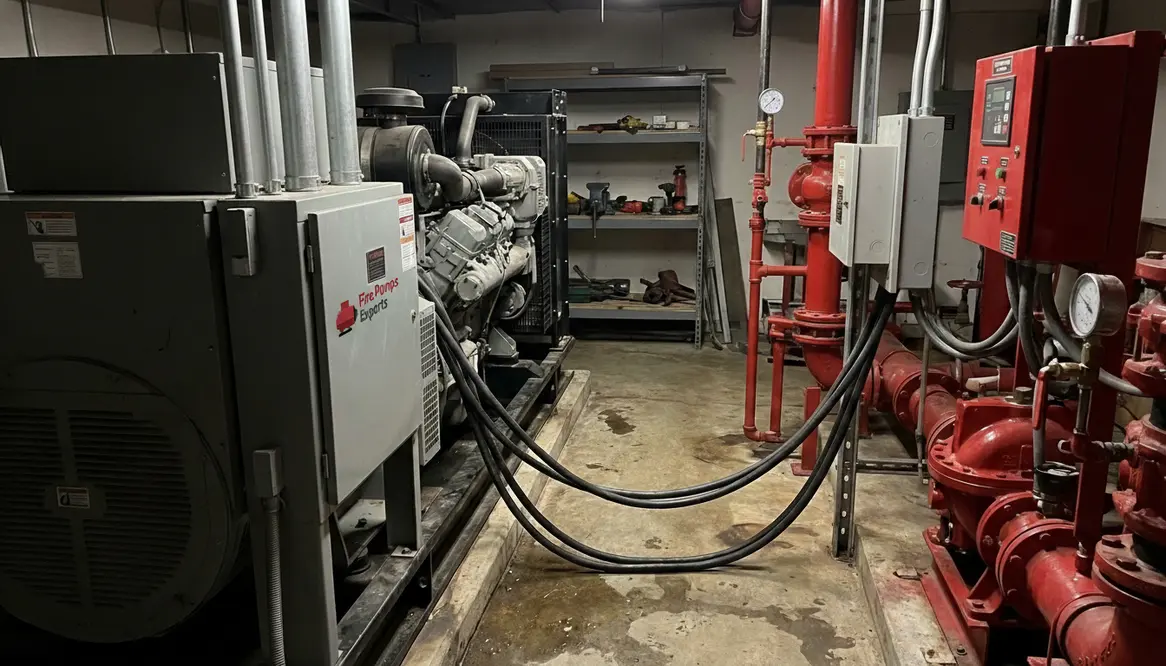
Fire Pump and Generator Safe Backup Power for Buildings
Can a fire pump run on a generator? Yes, it can, and in many commercial and industrial buildings, it should. I have seen this question come up often, especially when people start thinking about power loss, storm outages, and the kind of chaos that turns a normal day into a very expensive one. A fire pump is not a luxury item. It is a serious part of a building’s fire protection system, and when the grid goes dark, the backup power plan must still step up. Otherwise, the whole setup starts looking like a superhero with no cape. That is not a comforting sight.
In this article, I will walk through how a generator can support a fire pump, what must be checked first, and why code compliance matters. I will keep it practical, clear, and focused on commercial and industrial properties, because that is where this topic really lives.
How a generator powers a fire pump
A generator can run a fire pump if the system is designed for it. However, that does not mean any generator will do the job. Fire pumps need a strong, stable power source with the right voltage, phase, and capacity. They also need to start fast and stay reliable under pressure, which is not the kind of job you hand to a weak backup unit just hoping for the best.
In most cases, I look at two things first. One is the generator size. The other is the starting load of the fire pump motor. A fire pump often draws a large surge when it starts, so the generator must handle that inrush without dropping voltage too far. If the voltage dips badly, the pump may struggle, and that can hurt performance exactly when the building needs water most.
Here is the basic idea in simple form:
Generator and fire pump basics
What must match
- Motor voltage
- Phase type
- Starting current
- Running load
- Transfer and control setup
What can go wrong
- Generator too small
- Voltage drop on startup
- Pump control issues
- Fuel supply problems
- Bad maintenance timing
What code and design rules I check first
When I review a system, I do not start with guesswork. I start with the fire pump design, the emergency power setup, and the code path for the property. Commercial and industrial buildings often need backup power that follows strict rules, and those rules exist for a reason. Fire protection has to work when everything else fails, not just when the weather is polite.
I also look at the relationship between the fire pump and the generator transfer system. Some systems use automatic transfer arrangements. Others use emergency power designs that keep the pump on a dedicated path. Either way, the goal stays the same: the pump must receive power with as little delay and disruption as possible.
For a deeper look at the broader power side of this issue, I often point people to commercial emergency power systems requirements, design, and maintenance. It helps explain how backup systems should work together, which matters a lot when one piece of equipment depends on another like a grumpy duo in a buddy movie.
How I size the generator for a fire pump
The generator must be sized for more than just the pump’s running load. That is the trap. A pump may seem manageable on paper, but startup demand can be much higher. So, I always consider the motor’s locked rotor current, the generator’s short term response, and the rest of the building loads that may already be tied into backup power.
In some facilities, the fire pump gets priority and the generator serves only essential systems. In other buildings, several emergency loads share the same source. That can work, but only if the design team plans it carefully. Otherwise, the generator may act like a tired stage manager trying to run the whole show at once.
Three checks I never skip
- Load study: I confirm the actual electrical demand, not a hopeful estimate.
- Starting performance: I make sure the generator can handle the pump start without major voltage loss.
- Fuel and runtime: I verify the fuel system can support the expected emergency duration.
Why testing and maintenance matter in real life
Even the best design can fail if nobody tests it. I have seen backup systems look perfect on drawings and then stumble in the field because of poor maintenance, low fuel, bad batteries, or control issues. That is why routine testing matters so much. A fire pump and generator should not meet for the first time during an actual fire. That would be a terrible first date.
Testing should confirm that the generator starts properly, carries the load, and supports the fire pump without delay or damage. In addition, the fuel system, controls, and transfer equipment must all stay in good shape. If one part fails, the whole chain can weaken. For commercial and industrial facilities, that risk is too high to ignore.
If you are planning a can fire pump run on generator strategy for your building, treat testing like a non-negotiable routine. The goal is simple: when the lights go out, the can fire pump run on generator idea becomes a proven reality, not a hopeful rumor.
Where this applies most in commercial buildings
This setup matters most in large properties where a fire event can affect many people and a lot of money at once. I am talking about warehouses, manufacturing plants, high rise buildings, distribution centers, and major facilities with critical operations. These places need dependable fire protection, and a generator backed fire pump can be part of that plan when the design supports it.
For those looking at local fire pump solutions, I also recommend reviewing los angeles fire pump systems for commercial and industrial properties. That kind of resource helps owners and managers think through the right setup for serious buildings with serious needs.
When you evaluate a can fire pump run on generator approach, the real win is not just finding a generator that powers the pump. It is confirming voltage stability, transfer behavior, and load coordination so the pump performs the way it is supposed to under stress.
FAQ
Conclusion
If you manage a commercial or industrial property, I would not treat backup fire pump power as a side note. I would treat it as a core life safety decision. The right generator can support a fire pump, but only when the full system is designed, tested, and maintained with care. So, if your facility depends on that protection, I recommend reviewing your setup now and speaking with qualified fire protection professionals before an outage turns into a problem you never wanted. And if you are still asking can fire pump run on generator in the middle of planning, make the next step a full system review so it works when the stakes are high, not just when the lights are on.