Fire Pump Cavitation Causes Signs and Prevention
Fire Pump Cavitation Explained: Causes, Signs and Prevention
When I talk about fire pump cavitation, I am talking about a problem that can quietly turn a strong fire protection system into a noisy, shaky disappointment. In a commercial or industrial building, that is the kind of surprise nobody wants. The pump starts pulling water, but the pressure drops, air bubbles form, and the whole system begins to act like it missed breakfast. If you manage a warehouse, hospital, plant, or major property, this matters a great deal. A fire pump must deliver steady water when the pressure is under stress, not when the system feels like improvising.
In this article, I will explain what causes it, how to spot the signs, and how to prevent it before it becomes a costly headache. And yes, I will keep it practical, because nobody needs a fire safety lecture that sounds like a sleep aid.
What Causes Fire Pump Cavitation?
Cavitation happens when the pressure at the pump inlet drops too low. Then water begins to vaporize, forming tiny bubbles inside the pump. Those bubbles collapse fast, and that collapse hits the pump parts like a swarm of tiny hammers. Not ideal. The result is noise, wear, and loss of performance.
Key conditions that create cavitation
- Weak or low-level suction supply that makes the pump work too hard
- Suction piping that is too long, too small, or jammed with unnecessary fittings
- Clogged strainers, partially closed valves, or undersized piping that restricts flow
- Pumps operating outside their design range, pulling harder than the supply can support
- Hot water or hot ambient conditions that make vapor bubbles easier to form
- Poor layout and neglected maintenance that stack up friction losses before the impeller
Several things can trigger this. First, the suction supply may not be strong enough. If the water source sits too far below the pump or the suction piping creates too much resistance, the pump struggles to get the flow it needs. Next, clogged strainers, closed valves, or undersized piping can choke the system. In addition, a pump that runs outside its design range may pull harder than the supply can handle. That is when the system starts auditioning for a role in a disaster movie.
Temperature also plays a part. Warmer water vaporizes more easily, so hot conditions can make the problem worse. Likewise, poor layout and bad maintenance can create friction losses that steal pressure before water ever reaches the impeller. For commercial and industrial facilities, these risks can grow fast when the system serves large demand zones or high rise properties.
Signs Of Fire Pump Cavitation I Look For On Site
Noise and vibration
I never wait for a full failure before I start looking for cavitation signs. Instead, I watch for clues. The pump often gets louder, and the sound may resemble gravel, popping, or rattling inside the casing. Also, the pump may vibrate more than usual. That vibration can spread into the piping and mounting, which is a fine way to loosen fittings and build more problems.
Performance and damage
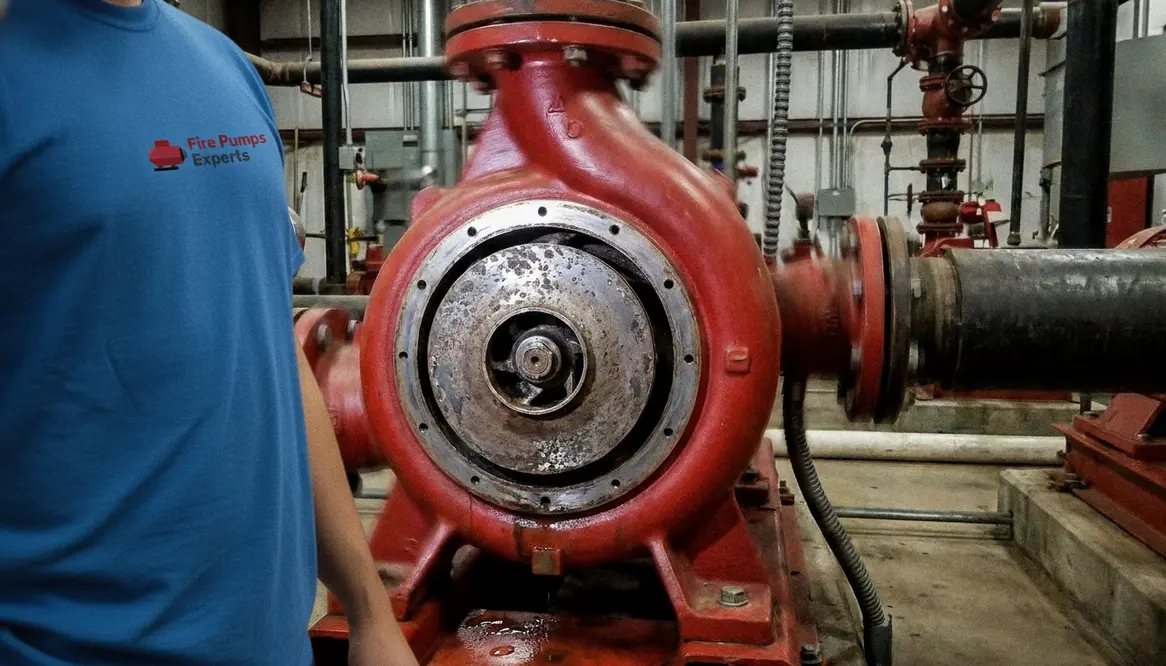
Performance changes matter too. If discharge pressure drops, flow becomes unstable, or the pump cannot hold expected output, I start asking questions. In some cases, the motor load may shift as the pump struggles to move water. You may also notice visible damage over time, especially on the impeller and casing surfaces. Cavitation can pit metal and leave a rough, worn look. That is the pump equivalent of battle scars, except nobody gives out medals.
How I Prevent Fire Pump Cavitation
Prevention starts with good design, then continues with careful maintenance. I always focus on suction conditions first, because the inlet side decides whether the pump gets a fair fight or a bad day. When fire pump cavitation is treated as a design problem instead of a mystery, the odds of long, reliable service go way up.
Dual View Of Prevention
Design stage
I make sure suction piping stays short, straight, and properly sized. I also confirm that fittings, valves, and elbows do not create avoidable friction loss.
I match the pump to the actual water supply and demand needs of the facility, instead of guessing and hoping for the best. Hope is not a design method, despite what some office legends might suggest.
Maintenance stage
I inspect strainers, check valve positions, verify suction pressure, and confirm the pump stays within its intended operating range.
I watch for air leaks, loose connections, and any change in system noise or vibration before the issue grows teeth.
Why Suction Conditions Matter More Than Most People Think
Suction conditions drive the whole story. If the pump does not receive water at the right pressure, it cannot perform as planned. Therefore, I pay close attention to the water source, pipe sizing, and any restriction before the pump inlet. A small mistake there can snowball into poor performance during an emergency, and that is usually where fire pump cavitation shows up to ruin the day.
Design guidance and layout checks
For commercial and industrial systems, I also keep an eye on compliance and layout requirements. Proper suction and discharge setup supports safe operation and helps the system stay ready under real demand. If you want a deeper look at that side of the design, I recommend reviewing AS 2941 fire pump suction and discharge requirements. That guidance helps clarify how the piping arrangement should support dependable pump performance in large facilities and sharply reduces the odds of ongoing fire pump cavitation problems.
FAQ
Conclusion
Fire pump cavitation can weaken a system long before anyone notices a real problem, so I treat it as a serious issue, not a side note. If your commercial or industrial facility depends on steady fire protection, I recommend reviewing your suction conditions, checking for warning signs, and acting early. A calm, well maintained pump gives you confidence when it matters most. If you want help keeping your fire pump ready for duty, now is the right time to schedule a professional inspection.