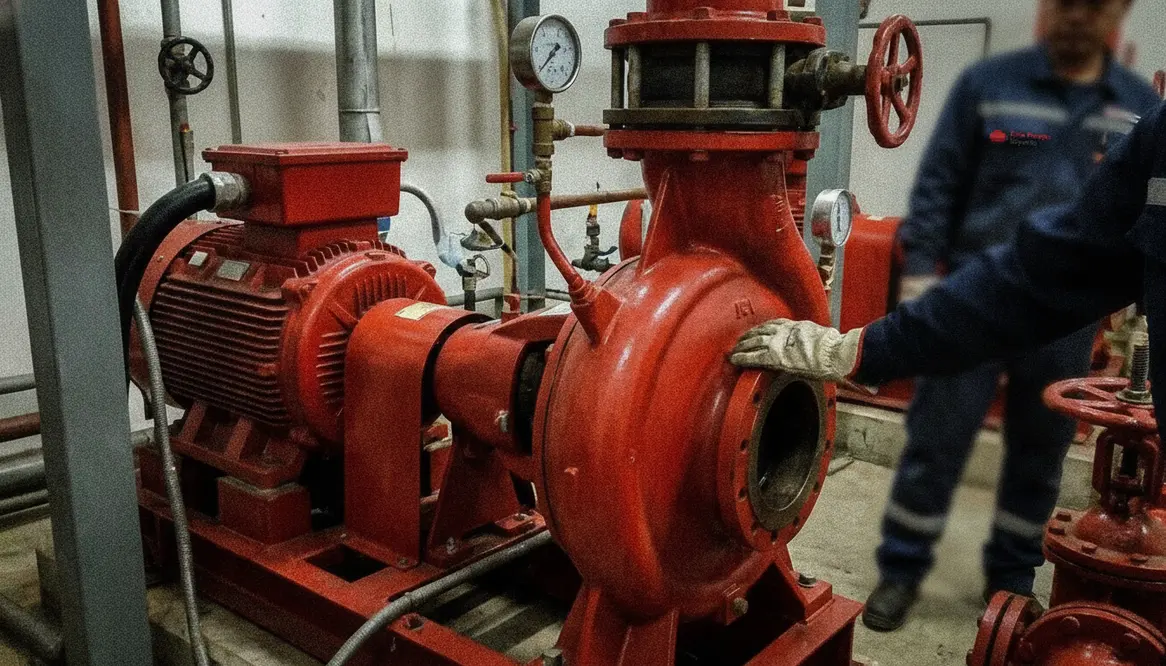
Fire Pump Cavitation: What an Experienced Tech Hears
What Fire Pump Cavitation Sounds Like to an Experienced Technician
When I hear what does fire pump cavitation sound like, I do not think of a small hiccup. I think of a pump that is begging for attention. It usually starts as a sharp rattle, a gravel in a pipe kind of sound, or a dry crackle that makes a seasoned technician pause. And yes, it can sound a little like a coffee maker having a personal crisis. In a commercial or industrial fire protection system, that noise matters. Big buildings do not get points for drama; they get points for reliability.
In this article, I will walk through the sound, the causes, the risks, and the checks I use when I inspect fire pumps in major properties and facility systems. If you manage a commercial site, a plant, or a large building, this is the kind of noise you want to catch early, not after the system has turned into a very expensive lesson.
What I Listen for During a Fire Pump Check
An experienced technician hears cavitation before a gauge tells the full story. The pump may sound rough, like marbles bouncing inside a metal housing. Sometimes it sounds like a fast popping or sputtering noise. Other times, the tone changes as the pump shifts from a steady hum to a harsh, uneven growl. That shift is the clue.
To be clear, I do not rely on sound alone. However, sound gives me the first signal that something is wrong. Cavitation often shows up when the pump does not get enough water at the suction side, so bubbles form and then collapse inside the pump. That collapse creates noise, vibration, and wear. In plain terms, the pump starts eating itself for breakfast. Not ideal.
What Does Fire Pump Cavitation Sound Like in Real Life?
In the field, I hear a few common versions of cavitation. First, there is the light gravel sound, almost like sand moving in a tin can. Next, there is a louder rattling that comes and goes as flow demand changes. Finally, there is the harsh knocking sound that makes the pump feel angry rather than smooth.
Here is the important part. Cavitation does not always sound the same in every facility. A pump serving a high rise may make a different noise than one in a large warehouse or industrial plant. Still, the pattern stays familiar: rough sound, shaky operation, and a pump that no longer sounds confident. A healthy pump sounds like it knows what it is doing. A cavitating pump sounds like it forgot the script halfway through the scene. That is why the question what does fire pump cavitation sound like is not a trivia prompt; it is a real maintenance indicator you can’t afford to ignore.
Why Cavitation Happens in Commercial Fire Pumps
I usually trace cavitation back to a few causes. Low suction pressure is a big one. A blocked suction line can do it too. So can a valve that is not fully open, a clogged strainer, or a water supply problem. In some cases, the pump simply runs outside its proper range and starts pulling conditions it cannot handle.
Heat, poor system design, and air in the line can also play a role. Therefore, I always look at the full setup, not just the pump itself. For commercial and industrial sites, the system must support the demand with no weak link. If one part drags, the whole fire protection system pays the price.
How I Confirm the Problem Without Guessing
I trust my ears, but I verify with checks. First, I inspect suction pressure and discharge pressure. Then I look for vibration, temperature change, and unstable flow. I also review valve position, water supply conditions, and recent system changes. If the pump sound changes under load, that tells me a lot.
In many cases, I compare the noise to the operating conditions. For example, if the system demands more water and the pump gets louder, I suspect cavitation or another intake issue. Meanwhile, if the noise stays steady but the pump output drops, I look deeper into the water source and line restrictions. That is where experience helps. A technician does not just hear the problem; he translates the noise into action. And if you are still trying to pin down what does fire pump cavitation sound like, here’s the real test: does the sound track with suction conditions and demand? If yes, you are probably not hearing “nothing.”
How to Protect Fire Pumps in Major Buildings
I keep fire pump cavitation away by focusing on basics that never go out of style. I verify suction conditions. I make sure valves stay open. I check for clogged parts. I also confirm that the pump matches the system demand. No heroics, just solid maintenance.
For facility managers, this means regular checks matter more than flashy fixes. A fire pump does not want applause. It wants proper water flow, correct setup, and routine care. If your site needs a deeper review, I recommend looking at a trusted Los Angeles fire pump service resource for commercial fire pump support. You can also review a broader fire pump service overview for large facilities. In addition, related systems like commercial electrical support for building systems and fire sprinkler service guidance help keep the whole protection setup aligned.
Quick Field Notes for Technicians and Facility Teams
Common sound
- Rattling like gravel
- Sharp popping or crackling
- Harsh knocking at higher demand
What it usually means
- Poor suction conditions
- Air or vapor forming in the pump
- Risk of damage and lost performance
FAQ
Conclusion
If I hear cavitation, I treat it like a warning bell, not background noise. In a commercial or industrial facility, a fire pump must sound steady and perform steady. If yours starts rattling, popping, or knocking, get it checked before the problem grows teeth. I recommend prompt inspection, careful testing, and proper service from people who understand major property fire protection. A calm system protects calm minds, and that is a deal worth making. And if you are still wondering about what does fire pump cavitation sound like, the short version is this: it sounds like a pump struggling to breathe, and it usually gets worse when conditions stay wrong.