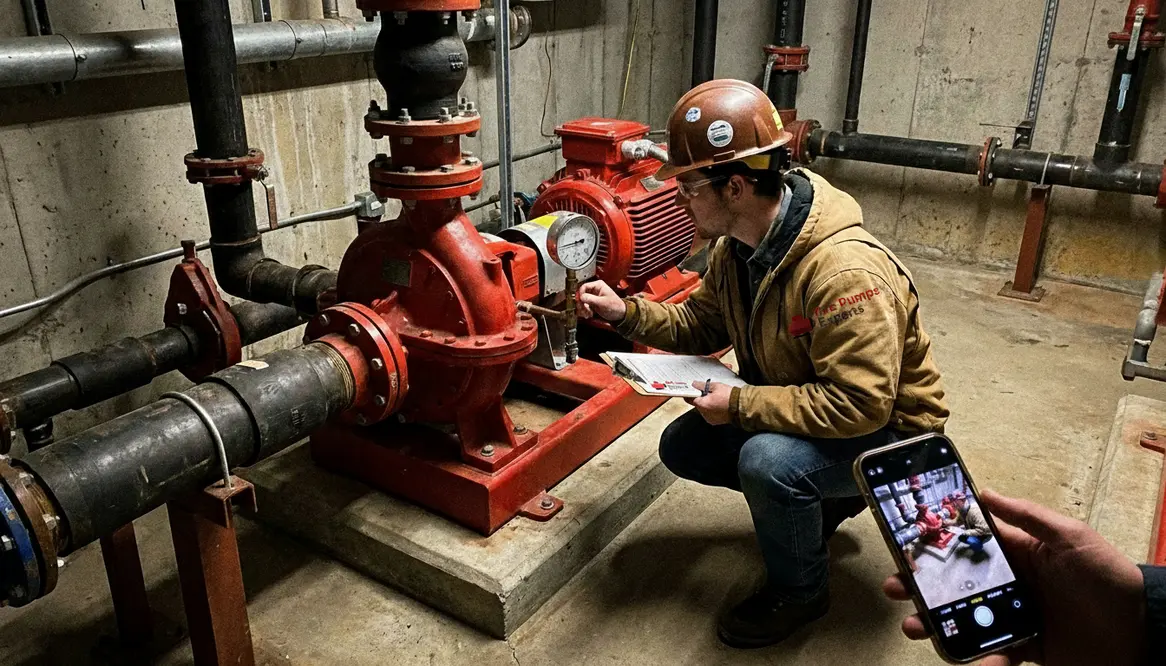
Fire Pump Churn Test Guide for Reliable Systems
I have spent enough time around mechanical rooms to know this: when everything is quiet, that is exactly when I start paying attention. The fire pump churn test lives in that quiet space. It is not dramatic. No water rushes through hoses. No alarms scream. Yet, in those calm moments, I learn whether a fire pump can hold its own when the stakes rise. And if that sounds a bit like judging a superhero before the villain shows up, well… you would not be wrong.
What is a fire pump churn test and why does it matter
I like to think of this test as a controlled pause. During a churn condition, I run the pump without flowing water. The system builds pressure, but no demand leaves the discharge. Because of that, I can observe how the pump behaves under minimal load.
Now, why does that matter? First, it tells me if the pump maintains stable pressure without overheating or vibrating itself into an early retirement. Second, it gives me insight into internal wear. Over time, seals, bearings, and impellers reveal their secrets during this test.
For large commercial and industrial properties, this is not optional trivia. It is risk management. If a pump struggles during churn, it may fail when actual fire demand hits. And that is a scenario no facility manager wants to explain in a boardroom.
How I perform a fire pump churn test step by step
I approach this with a steady hand and a checklist that I trust more than my morning coffee. Although procedures vary slightly by system, my process stays consistent.
Preparation comes first
I confirm that all valves are in the correct position and that no unintended water flow will occur. Then, I verify instrumentation. Gauges must be accurate because bad data leads to bad decisions.
Starting the pump under control
Next, I start the pump. Once running, I ensure that discharge valves remain closed or minimally open to prevent flow. The pump builds pressure quickly, and this is where the real observation begins. This is the heart of the fire pump churn test, when I see how the pump behaves without the distraction of flowing water.
Watching what the pump is really telling me
I monitor key indicators. Pressure stability, vibration levels, and temperature all tell a story. If pressure fluctuates wildly, something is off. If heat builds too fast, internal components may be struggling.
Documenting the quiet data
Finally, I document everything. Numbers matter. Trends matter more. Over time, those records help me spot gradual decline before it becomes a full blown failure. When I compare repeated results from one fire pump churn test to the next, I can see whether the system is aging gracefully or asking for help.
What signs tell me something is wrong during churn
I have learned to trust small changes. Big failures rarely show up without warning. They whisper first.
For example, unstable pressure readings often signal internal wear or air issues. Meanwhile, unusual vibration might point to misalignment or bearing problems. And if the pump starts heating faster than expected, I take that seriously. Heat is like a plot twist you did not see coming, but probably should have.
In large facilities, these signs can impact more than just equipment. They can disrupt compliance, insurance requirements, and operational continuity. That is why I treat even minor irregularities as early warnings rather than harmless quirks. When a fire pump churn test exposes those quirks, I treat that as an invitation to correct the problem long before an emergency tests the system for real.
Common mistakes I see in commercial and industrial facilities
I wish I could say everyone treats this test with the respect it deserves. But reality has a sense of humor.
Some teams skip proper documentation. Others rush through the process like they are late for lunch. And occasionally, I see systems tested with poorly calibrated gauges, which is about as useful as a smoke detector with no batteries.
Here is where things typically go sideways:
Left Column
- Incorrect valve positioning
- Ignoring vibration changes
- Relying on outdated data
- Skipping routine scheduling
Right Column
- Poor instrumentation accuracy
- Inadequate staff training
- No historical trend analysis
- Delayed maintenance response
When I encounter these issues, I do not just fix the symptom. I address the process. Because in large scale properties, consistency is everything.
When should I schedule a churn test for my system
I follow a rhythm. Regular testing is not about checking a box. It is about building confidence over time.
Most commercial and industrial facilities should incorporate churn testing into routine inspection cycles. However, I also recommend testing after major maintenance, system upgrades, or any unusual pump behavior. Making the fire pump churn test a recurring part of that schedule means you are measuring system health, not just reacting to alarms.
If you are unsure where to begin, I often point teams toward trusted resources like expert fire pump inspection guidelines. Having a structured approach keeps surprises to a minimum, and frankly, surprises are best left for birthday parties, not fire protection systems.
Why this quiet test carries serious weight
There is something almost poetic about it. No flashing lights. No chaos. Just a machine doing its job in silence. Yet, that silence holds answers.
The fire pump churn test allows me to evaluate readiness without waiting for an emergency. It reveals weaknesses early, protects investments, and supports compliance for complex facilities where downtime is not an option.
And if I am being honest, it also gives me peace of mind. Because when systems perform well under calm conditions, I trust them more when things get loud. Every well-documented fire pump churn test becomes another reason to believe that, when it matters most, the pump will not hesitate.
FAQ
Conclusion
I never treat a churn test as just another task. It is a moment to listen, observe, and understand what the system is telling me. If you manage a commercial or industrial facility, take this seriously and stay consistent. Work with experienced professionals, follow proven standards, and keep detailed records. Because when the time comes, you will want a system that performs without hesitation. And trust me, that confidence is worth every second spent in the quiet.