Weekly Fire Pump Test Guide for Commercial Buildings
I’ve seen a lot of machinery in my time, but few systems carry the quiet weight of responsibility like a fire pump. It sits there, patient and unassuming, until the moment everything depends on it. That’s exactly why a weekly fire pump test matters. Not as a checkbox, not as a routine chore, but as a deliberate act of readiness. In large commercial and industrial buildings, this simple weekly ritual can mean the difference between controlled risk and absolute chaos. And trust me, chaos is never as glamorous as the movies make it look.
What Happens During a Weekly Fire Pump Test
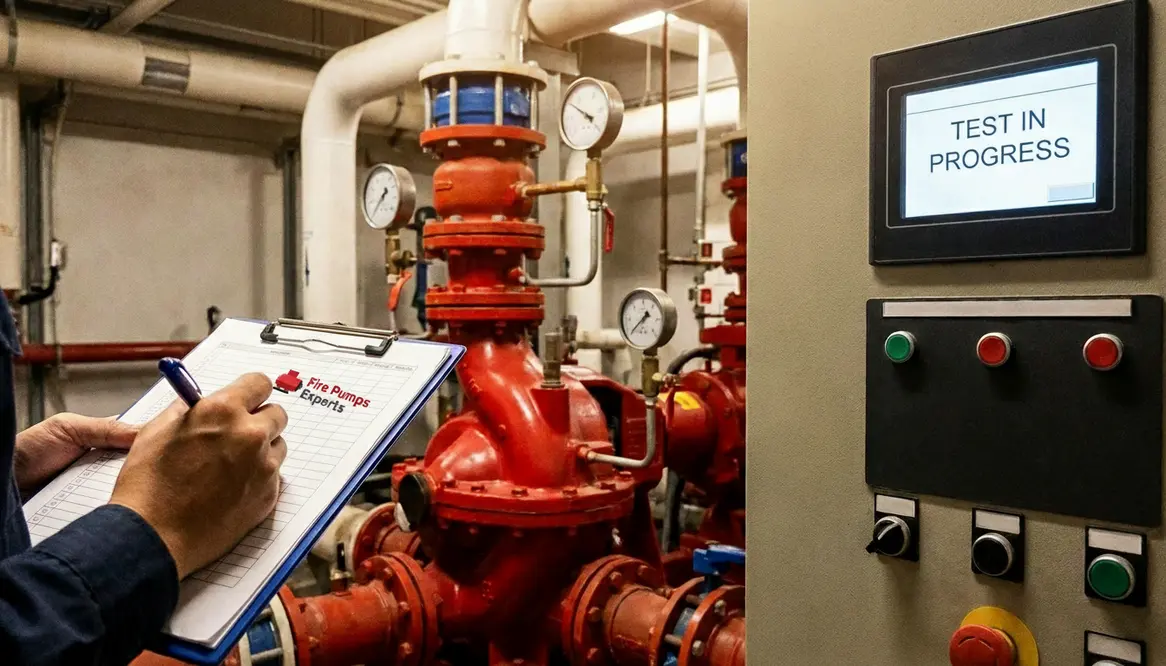
Let me walk you through it the way I see it. A proper weekly fire pump test is not just flipping a switch and hoping for the best. Instead, I treat it like a conversation with the system. I start the pump, either manually or automatically, and let it run. Usually, I aim for about ten minutes for diesel pumps and a shorter run for electric ones.
During that time, I watch. I listen. I pay attention to pressure readings, RPMs, and any unusual vibrations. Because if something sounds off, it probably is. And unlike your car making a weird noise that you ignore for three weeks, this is not something you procrastinate on.
Additionally, I check for leaks, overheating, and proper controller function. Everything should perform like a well-rehearsed orchestra. If one instrument is off, the whole performance suffers.
Why This Routine Matters More Than You Think
Now, you might wonder why this weekly ritual holds so much weight. After all, the pump just sits there most of the time. However, that’s exactly the problem. Equipment that doesn’t run regularly tends to develop issues quietly. Seals dry out, batteries weaken, and small faults grow into big ones.
Moreover, in large facilities, fire protection systems are not optional luxuries. They are critical infrastructure. Insurance providers know it. Fire marshals know it. And frankly, anyone who has seen a preventable failure knows it too.
So yes, the weekly fire pump inspection may feel routine, but it is anything but trivial. Think of it as your system’s weekly heartbeat check. Skip enough of them, and eventually, the silence gets very real.
How I Perform a Weekly Fire Pump Test Step by Step
A structured approach that keeps nothing overlooked
When I approach the test, I keep it structured. Not rigid, but consistent enough that nothing slips through the cracks.
- Start the pump using the test header or controller
- Observe pressure levels and ensure they match expected performance
- Check for abnormal noise or vibration
- Inspect for leaks in pipes, seals, and fittings
- Monitor run time and confirm automatic shutoff works correctly
- Record all readings because memory is great until it isn’t
Furthermore, I document everything. Not because paperwork is exciting, but because records tell a story over time. Trends reveal problems long before alarms do.
Common Problems I Watch for During Testing
Mechanical and operational issues that quietly build up between tests
Mechanical Issues
- Seal leaks or worn bearings
- Overheating components
- Unusual vibration patterns
Operational Issues
- Delayed startup response
- Controller malfunctions
- Inconsistent pressure readings
At the same time, I stay alert for subtle signs. A slight delay. A faint noise. These are the system’s way of whispering before it starts shouting. And I’d much rather listen to whispers.
Who Should Handle Fire Pump Testing in Large Facilities
Choosing the right people for a high-stakes weekly fire pump test
Here’s where I get a little direct. Not everyone should be handling this. In commercial and industrial environments, the stakes are simply too high for guesswork. While in house teams can manage routine checks, complex diagnostics and compliance requirements often call for specialists.
That’s why I always recommend working with professionals who understand large scale systems. If you want a deeper look at standards and best practices, I suggest reviewing resources from fire pump system experts for commercial facilities. They focus specifically on the kind of properties where performance is non negotiable.
Because let’s be honest, this is not the place for a “we’ll figure it out” approach. That strategy belongs in cooking shows, not life safety systems.
Can Skipping One Test Really Cause Problems?
Why every weekly fire pump test quietly shapes your risk level
Short answer? Yes. Longer answer? Also yes, but with consequences.
Skipping a single weekly fire pump test might not lead to immediate failure. However, it opens the door to unnoticed issues. And those issues do not stay small. Over time, missed tests stack up, and suddenly you are relying on a system you haven’t truly verified.
In other words, it is a bit like ignoring a check engine light. Except instead of your car breaking down, you risk an entire building’s safety infrastructure.
FAQ: Weekly Fire Pump Testing
These quick answers sit behind almost every good weekly fire pump test, especially in larger commercial buildings where assumptions get expensive.
Stay Ready So the System Never Has to Guess
Turning a simple routine into a quiet promise of performance
In the end, I see the weekly fire pump test as a quiet promise. A promise that when the moment comes, the system will do exactly what it was built to do. No hesitation. No surprises. So keep it consistent, keep it thorough, and when needed, bring in the right expertise. Because in this line of work, preparation is not just good practice. It is everything. And frankly, it beats explaining to a room full of executives why the pump decided to take the day off.