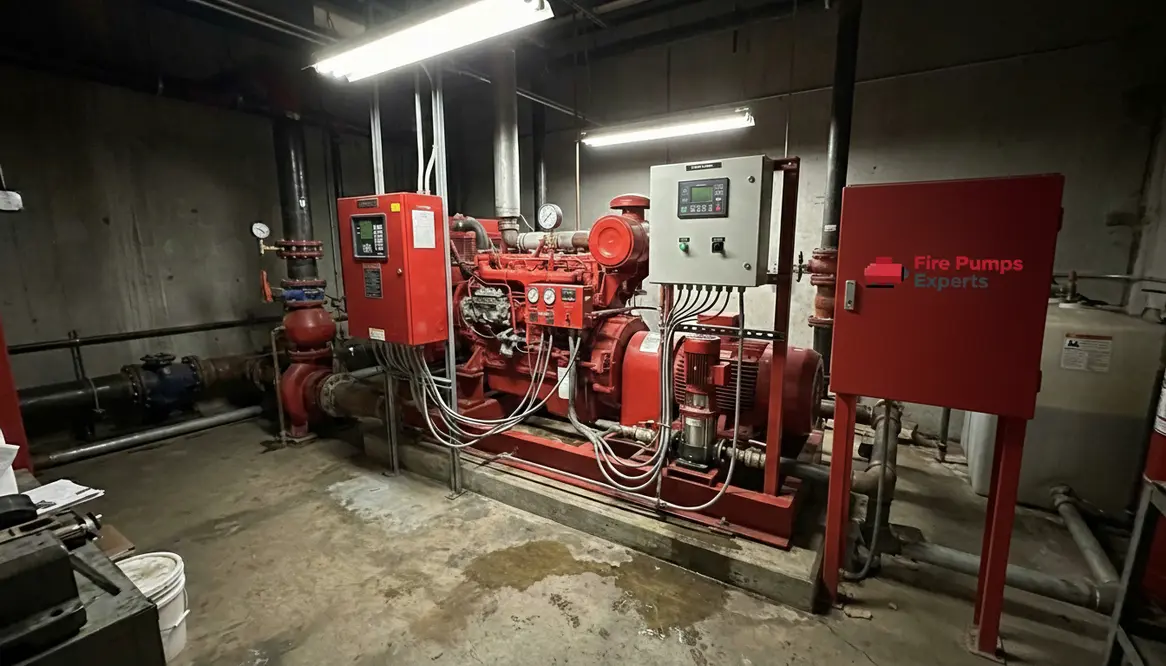
Fire Pump Combined Systems Integration Guide
I have spent years around large facilities where fire protection is not just a checkbox, it is a living system that needs to respond without hesitation. When I talk about fire pump combined systems integration, I am talking about the quiet backbone that keeps sprinklers, standpipes, foam, and detection systems working together like a well rehearsed orchestra. In massive commercial and industrial properties, there is no room for systems that operate in silos. Everything must communicate, respond, and adapt in real time. And yes, when it works right, it feels almost like movie magic. Think less chaos, more precision. More Apollo 13, less action movie explosion.
How Fire Pump Combined Systems Integration Works in Large Facilities
I like to think of integration as giving your fire protection system a brain. A fire pump alone moves water, sure. However, when integrated with alarms, suppression networks, and building controls, it becomes part of a coordinated response.
For example, once a detection system senses heat or smoke, it signals the control panel. Then, the panel triggers the fire pump to maintain pressure across sprinkler zones. At the same time, valves adjust, alarms activate, and emergency protocols kick in. As a result, every component acts in sync rather than scrambling independently.
In large scale facilities like warehouses, hospitals, and manufacturing plants, this coordination is not optional. It is essential. Without it, pressure drops, delayed response, or system conflicts can turn a manageable incident into a costly disaster.
Why Integration Matters More Than Ever in Commercial and Industrial Spaces
Modern buildings are not simple boxes anymore. They are layered ecosystems filled with sensitive equipment, high value assets, and complex layouts. Because of that, fire risks behave differently than they did decades ago.
Integrated fire pump systems help me solve several challenges at once. First, they stabilize water delivery across vast distances. Second, they ensure that multiple suppression systems do not compete for pressure. And third, they allow centralized monitoring, which means faster decision making when seconds count.
Meanwhile, insurance requirements and safety codes continue to evolve. Facilities that rely on isolated systems often struggle to stay compliant. Integration, on the other hand, creates a streamlined approach that meets both operational and regulatory demands.
Integration As A Strategic Advantage
In many commercial and industrial complexes, fire pump combined systems integration becomes a quiet strategic edge. It supports uptime, protects people, and shields operations from the kind of chaos that can ripple through a business after a major incident. Instead of juggling separate systems, teams gain a single, intelligible picture of how the entire protection network is behaving.
This approach turns compliance from a burden into a byproduct of good engineering. When everything talks clearly with the fire pump and control logic, inspections grow simpler, documentation tighter, and emergency responses more predictable.
What Components Should Be Connected for Seamless Performance
When I design or evaluate a system, I focus on how well each part communicates with the fire pump. A strong integration setup connects more than just pipes and valves. It connects intelligence.
Core Systems
- Fire pumps and controllers
- Sprinkler and standpipe systems
- Foam suppression systems
- Water storage and supply lines
Support Systems
- Fire alarm and detection panels
- Building management systems
- Emergency power supplies
- Monitoring and reporting tools
By tying these together, I create a network where each component informs the other. Consequently, the fire pump responds not just to pressure loss but to real time conditions across the facility.
Can Poor Integration Undermine Fire Protection Systems
Short answer, absolutely. And I have seen it happen more times than I would like.
When systems are poorly integrated, signals get delayed or lost. Pumps may start late, or worse, fail to maintain consistent pressure. In some cases, multiple systems draw water simultaneously without coordination, which leads to pressure collapse.
It is a bit like having a team where nobody talks to each other. Imagine the Avengers showing up but everyone ignores the plan. Entertaining on screen, disastrous in real life.
Therefore, investing in proper fire pump combined systems integration is not just about performance. It is about eliminating weak points that only show up during emergencies.
Design Strategies I Use for Reliable System Integration
Over time, I have learned that good integration starts long before installation. It begins at the design table.
First, I map out hydraulic demands across all systems. Then, I ensure the fire pump can meet peak demand without strain. After that, I focus on control logic. Every trigger, signal, and response must follow a clear sequence.
Additionally, I prioritize redundancy. Backup power, secondary pumps, and fail safe controls ensure the system keeps running even if one part fails. Because in large facilities, downtime is not just inconvenient, it is expensive.
Finally, I always include real time monitoring. With modern analytics, facility managers can track system performance and catch issues before they escalate. It is like having a health tracker for your building, minus the annoying step reminders.
In many projects, this kind of planning is where fire pump combined systems integration reveals its real value. By thinking through edge cases, power failures, maintenance modes, and partial outages, the design can keep water where it belongs and pressure where it is needed, even when several unusual events stack up at once.
Future Trends Shaping Integrated Fire Protection Systems
The future of integration is getting smarter and more predictive. I am seeing systems that use data to anticipate demand, adjust pump performance, and even detect faults before they become failures.
Artificial intelligence and IoT technologies are starting to play a role, especially in large commercial and industrial environments. These tools allow for deeper insights and faster responses. As a result, fire pump systems are becoming less reactive and more proactive.
At the same time, sustainability is influencing design. Efficient pumps, optimized water usage, and energy conscious controls are becoming standard expectations rather than optional upgrades.
As monitoring platforms grow more capable, fire pump combined systems integration is likely to move even closer to enterprise technology stacks. That means tighter connections with facility analytics, maintenance planning, and risk modeling tools, and in some cases with outside specialists who can support critical systems through secure remote access.
Real-World Payoffs Of Integrated Fire Pump Strategies
In practice, the value shows up in the quiet moments as much as during alarms. Operators can confirm at a glance that pumps are at the right status, that valves are positioned correctly, and that demand across sprinklers, standpipes, and foam systems is being met without competition. When audits or insurers ask for proof, centralized reports tell the story clearly.
Facilities that invest in solid fire pump combined systems integration also tend to see better training outcomes. Teams are not memorizing a maze of disconnected panels; they are learning one coherent platform that explains how the whole protection strategy behaves, from the water supply and fire pump to alarms and building management systems.
FAQ
Conclusion
If you manage a large commercial or industrial facility, now is the time to take a closer look at how your systems work together. I encourage you to explore smarter integration strategies that strengthen performance and reduce risk. A well integrated fire pump system is not just protection, it is peace of mind built into your infrastructure. Reach out to experts who understand complex facilities, review guidance from resources such as https://firepumps.org, and take the next step toward a safer, more reliable operation.