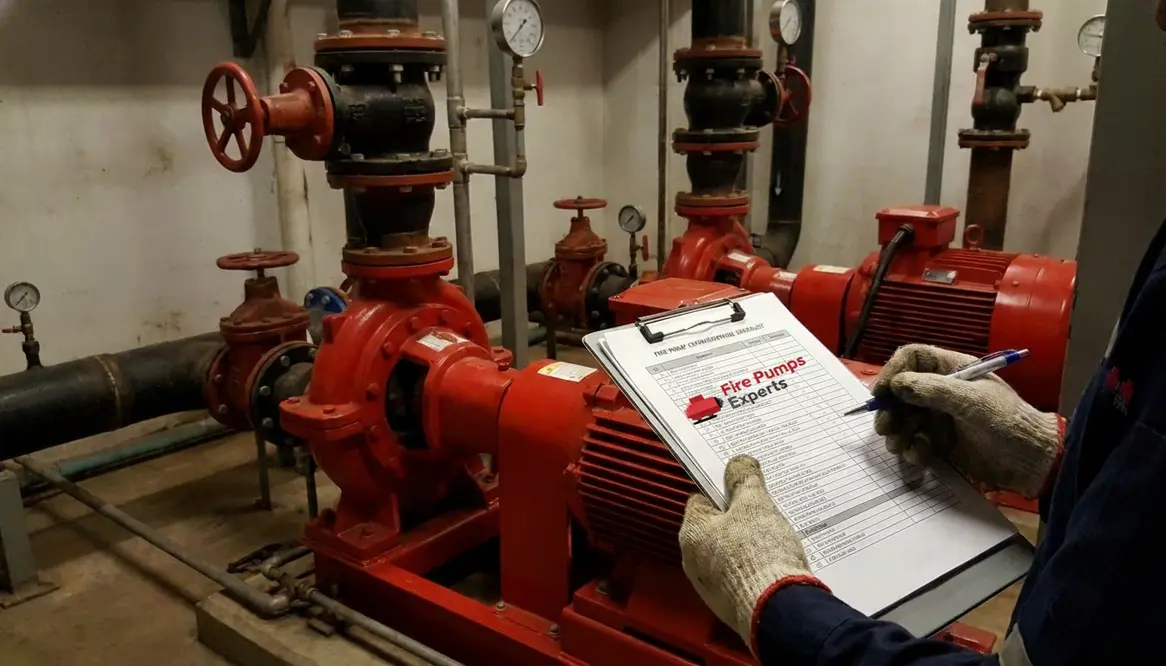
Fire Pump Commissioning Checklist for New Systems
Fire Pump Commissioning Checklist for New Installations
When I walk onto a new commercial site, I treat the fire pump commissioning checklist like the opening scene of a good thriller. Everything looks calm, but one missed detail can turn into a very expensive plot twist. For major properties, industrial plants, and large buildings, commissioning is not just a box ticking exercise. It confirms the fire pump system is ready to protect people, assets, and operations when the pressure gets real. And yes, I mean that both literally and professionally.
In this guide, I will break down the steps I use to confirm a new fire pump installation is ready for service. I will also keep it practical, because nobody wants a safety review that reads like a tax code with a flashlight.
Use this fire pump commissioning checklist as a structured way to keep the project honest. New systems are often rushed at the end of a build, which is exactly when mistakes slip through. A clear, repeatable process turns commissioning from a scramble into a controlled, data-backed handover.
Think of it as the last quality filter before the system becomes the building's silent insurance policy.
What I Check Before Powering Up a Fire Pump
I always start with the basics, because a strong finish depends on a clean start. First, I confirm the fire pump matches the approved design, the site drawings, and the building risk profile. Then I inspect the room itself. The space must stay clear, dry, secure, and easy to reach. If someone has stored spare chairs, paint drums, or mystery boxes in the pump room, I deal with that fast. Fire pumps do not need roommates.
Next, I check the installation against the manufacturer instructions and the project specs. I verify the pump base, piping supports, valves, gauges, electrical supply, and controller. I also confirm the suction line has the right layout and that the system has no obvious leaks, loose fittings, or alignment issues. Since many failures begin with small setup errors, I look closely at every detail.
First-Pass Focus Areas
- Room status: clear access, no storage, dry floor, secure doors
- Installation quality: correct pump model, alignment, and supports
- Critical services: power availability, controller connections, earths
- Hydraulic layout: suction conditions, discharge routing, valve locations
- Readiness for testing: gauges fitted, drains available, water source accessible
Physical Checks vs System Checks
Physical checks
Physical checks include room access, clear space, mounting, pipe support, and visible condition.
- Is the pump room free of storage and clutter?
- Are foundations, baseplates, and grout intact and properly cured?
- Are pipe supports secure, spaced correctly, and not overstressed?
- Are flexible connections, strainers, and fittings installed correctly?
- Is corrosion, damage, or poor workmanship already visible?
System checks
System checks include valve position, controller status, gauges, power supply, and system fill.
- Are suction and discharge valves in their correct commissioning positions?
- Are gauges installed, readable, and in the right locations?
- Is the controller powered, configured, and free of fault indications?
- Is the system properly filled, vented, and ready for pressurization?
- Are emergency stops, alarms, and indication lights identifiable?
After that, I confirm signage, lighting, drainage, and ventilation. These may look minor, but they support safe operation and future maintenance. A fire pump room that is too hot, too dark, or too tight can create problems long before an emergency ever starts.
Fire Pump Commissioning Checklist for New Installations: How I Test the Core Components
Once the visual checks pass, I move into testing. This is where the fire pump commissioning checklist earns its keep. I test each core component in a set order so I can trace issues quickly if something misbehaves.
Step-by-Step Component Testing
First, I check the suction supply and confirm the water source can deliver the needed flow. Then I verify the pump casing is fully primed where required, and I inspect for air leaks or trapped air. After that, I test the controller and confirm all alarms, indicators, and start functions work as intended. If the controller acts like a moody side character from a drama series, I stop and fix it before moving on.
I also run the pump under no flow and flow conditions, depending on the test stage and the project requirements. During this step, I watch pressure, vibration, noise, temperature, and engine or motor performance. I want stable readings, smooth operation, and no signs of stress. A little noise is normal. A lot of noise is the system screaming for attention.
Typical test sequence
- Confirm isolation, safety controls, and communication with site personnel
- Verify suction supply and water source conditions
- Prime the pump if required and vent trapped air
- Test manual and automatic start functions on the controller
- Run no-flow tests while monitoring pressure, vibration, and noise
- Run flow tests to confirm performance against duty points
- Check automatic stop (where appropriate) and alarm sequences
Performance data that matters
- Discharge pressure at each test flow
- Suction pressure and net pump head
- Current draw or fuel consumption
- Vibration level and trend during the run
- Temperature of bearings, casing, and driver
- Any instability, surging, or cavitation signs
I record all results and compare them with design values and accepted limits. This matters because a pump can look fine and still fail under real demand. In commercial and industrial facilities, that risk is too high to ignore. A disciplined fire pump commissioning checklist turns those readings into evidence that the system will actually deliver.
Why Compliance and Documentation Matter in Commercial Sites
Commissioning is not complete until I verify the paperwork. I know, paperwork can feel like the opening credits of a show nobody asked for. Still, it protects the owner, the contractor, and the future maintenance team.
I confirm test sheets, as built records, equipment data, calibration details, and defect closeout notes. I also check that the installation aligns with local standards and site requirements. For Australian projects, I often cross reference accepted testing practice and industry guidance. For example, a useful resource is https://kordfire.com.au/fire-protection-blog/as-2941-fire-pump-acceptance-testing-in-australia/, which supports the broader compliance picture.
Documentation to lock in
- Signed test sheets for all commissioning stages
- As built drawings reflecting the installed system
- Manufacturer data and settings for pump and controller
- Calibration records for critical instruments used
- Defect list with closeout evidence and retest results
- Final fire pump commissioning checklist filed for handover
Why the paperwork is worth it
- Protects the building owner during audits and insurance reviews
- Gives future technicians a clear starting point
- Reduces guesswork during troubleshooting and upgrades
- Shows that the system was tested properly from day one
- Supports legal and regulatory compliance without drama
Good documentation does more than satisfy an auditor. It gives the facility team a clean handover. It also helps with future inspections, fault finding, and planned maintenance. In large buildings, data is not optional. It is part of the safety system itself.
How I Hand Over the System for Ongoing Reliability
Once I finish testing, I move to handover. I walk the client or facility manager through the system status, test results, and any final actions. I explain the normal operating condition, the alarm sequence, and the maintenance schedule in plain language. No one needs fire pump jargon that sounds like a robot swallowed a manual.
I also confirm that the maintenance plan fits the site use. A busy hospital tower, warehouse, data center, or high rise needs a different level of care than a smaller commercial space. Therefore, I make sure the service plan covers weekly checks, routine inspections, periodic flow testing, and corrective work if needed. That keeps the system ready for the long haul, not just for test day when everybody is wearing clean boots and optimistic faces.
Typical post‑commissioning care
- Weekly or monthly start tests and visual inspections
- Routine checks on valves, gauges, and controller status
- Scheduled full-flow tests as per local standards
- Periodic review of alarms, event logs, and trend data
- Updates to the fire pump commissioning checklist as the site evolves
Why an early recheck matters
Finally, I recommend a documented recheck after the first period of operation. New systems often reveal settling issues once they run in real site conditions. Catching those early can save time, money, and a very awkward emergency meeting later.
FAQ
Conclusion
Ready to commission your new fire pump with confidence? I can help you move from installation to full readiness with a clear, practical process that suits commercial and industrial sites. Use a proper fire pump commissioning checklist, confirm compliance, and hand over a system you can trust. If you manage a major property or large facility, now is the time to make sure every critical component performs exactly as it should.