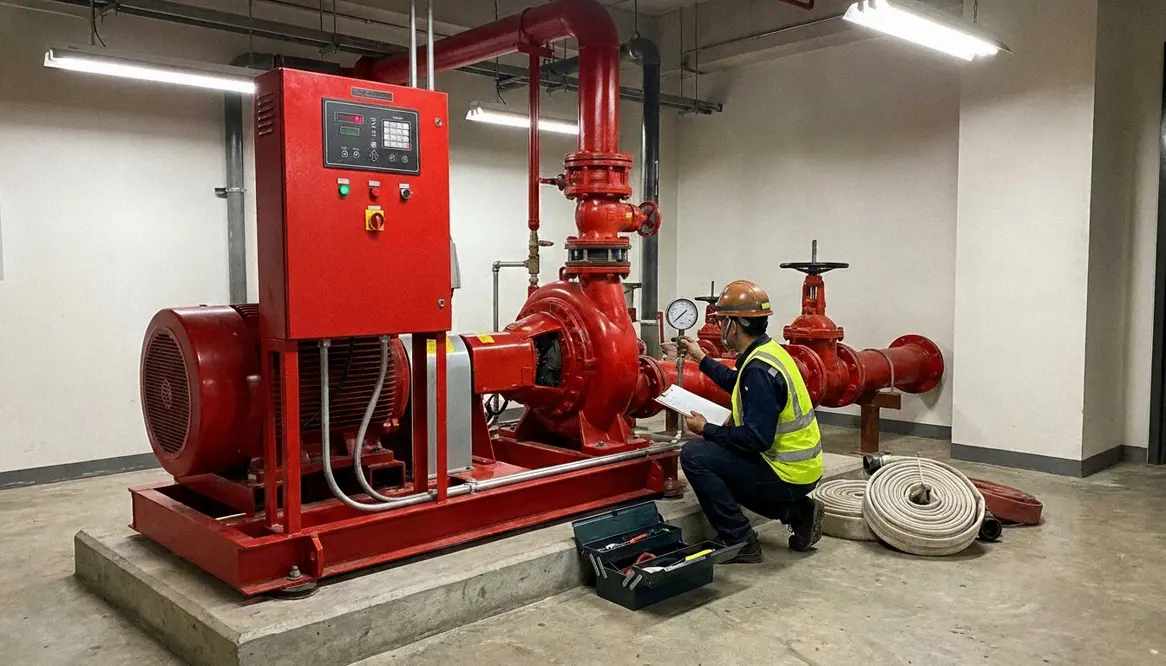
Fire pump commissioning vs testing difference
When I talk about fire pump commissioning vs testing, I am really talking about two jobs that look similar from a distance, yet do very different work. One makes sure the system is ready to serve a commercial or industrial building. The other proves it can actually do the job under pressure. That difference matters, because in a high rise, warehouse, plant, or other major property, a fire pump is not a nice extra. It is the quiet workhorse standing by like a bodyguard who never takes a coffee break.
So, if you manage a large facility, you need to know where commissioning ends and performance testing begins. And yes, I promise to keep the jargon from getting too theatrical. Mostly.
What I mean by fire pump commissioning
Commissioning is the full setup and readiness process. I use it to confirm that the fire pump system has been installed correctly, connected properly, and prepared for real service in a commercial or industrial setting. In simple terms, I check the whole chain, from power supply to valves, controls, alarms, and fuel systems if the pump uses diesel.
During commissioning, I look for installation problems that could cause trouble later. For example, I verify that the pump room has proper access, the suction line is sound, and the controller responds the way it should. I also confirm that the system matches the design intent and local code requirements. This step is about readiness, not just output.
In other words, commissioning asks, is everything in place and working together? That is very different from asking how much water the pump can move. Think of it like getting a new action hero ready for the movie. First, the costume, wires, and cues need to be right. Then we see whether the hero can actually save the day.
What fire pump performance testing checks
Performance testing answers a sharper question: does the pump deliver the required flow and pressure? I use this test to measure real output under controlled conditions. This is where the pump proves it can meet the demand of the building’s fire protection system.
During performance testing, I check flow rates, pressure, and how the pump behaves across different demand points. I also watch for stability, vibration, overheating, and weak spots in the system. If the pump looks good on paper but struggles under load, the test will expose that fast. Paper can bluff. Water flow cannot.
For commercial and industrial facilities, this test matters a lot because the building load can be heavy and the risk profile can be high. A pump may start just fine, but if it cannot sustain pressure when multiple systems need water, then it has failed the real world test.
Fire pump commissioning vs testing in one simple view
Here is the cleanest way I explain fire pump commissioning vs testing to building teams, engineers, and facility managers:
| Commissioning | Performance Testing |
|---|---|
| Confirms the system is installed and ready | Confirms the pump meets flow and pressure needs |
| Focuses on setup, controls, integration, and compliance | Focuses on output, stability, and actual operating results |
| Usually happens near project completion | Usually happens after setup, and often during acceptance or periodic checks |
| Answers whether the system is prepared | Answers whether the system performs as required |
So yes, they are connected. However, they are not the same thing. Commissioning builds confidence. Testing earns it. That is a nice little office drama with water pressure.
Why both steps matter for major properties
For large buildings, factories, warehouses, and mixed use commercial sites, I never treat one step as enough. If I skip commissioning, I may miss installation faults that hide behind the wall like a bad sequel nobody asked for. If I skip performance testing, I may never know whether the pump can actually protect the building when the alarm sounds.
Both steps help reduce risk, support code compliance, and protect uptime. That matters even more in facilities where fire protection downtime can affect operations, insurance, and safety. A good system should not just exist. It should be ready, proven, and documented.
Also, strong records help during audits, inspections, and maintenance planning. Clear results make it easier to spot drift before small issues turn into expensive repairs. And nobody wants to explain to leadership why the pump passed the vibe check but failed the pressure test.
How I approach the process in real projects
When I work on a project, I start with commissioning because I want the basics right before I ask the pump to perform. I inspect the installation, review the controls, verify the power source, and check the setup against the approved design. Then I move into the performance test and measure how the system behaves under load.
I also compare the results with the relevant standards and the site’s needs. If the building has a complex layout or high demand, I pay close attention to pressure loss, pump curve behavior, and any signs of instability. In the end, the goal is simple: a fire pump that is ready, proven, and suited to the property it protects.
For readers who want deeper guidance on local requirements, I recommend the internal resource AS 2419 fire pump and hydrant performance guide. It gives helpful context on performance expectations and system behavior. If you are also comparing service options for the region, you can review los angeles fire pump solutions for a practical view of service support.
FAQ
Conclusion
If you manage a commercial or industrial property, do not treat commissioning and testing as the same job. I recommend handling both with care, because each one protects a different part of the system. Commissioning gets the fire pump ready. Performance testing proves it can do the work. If you want fewer surprises and stronger protection, start with a proper review of both steps and keep your records tight. Your building will thank you quietly, which is the best kind of thank you.