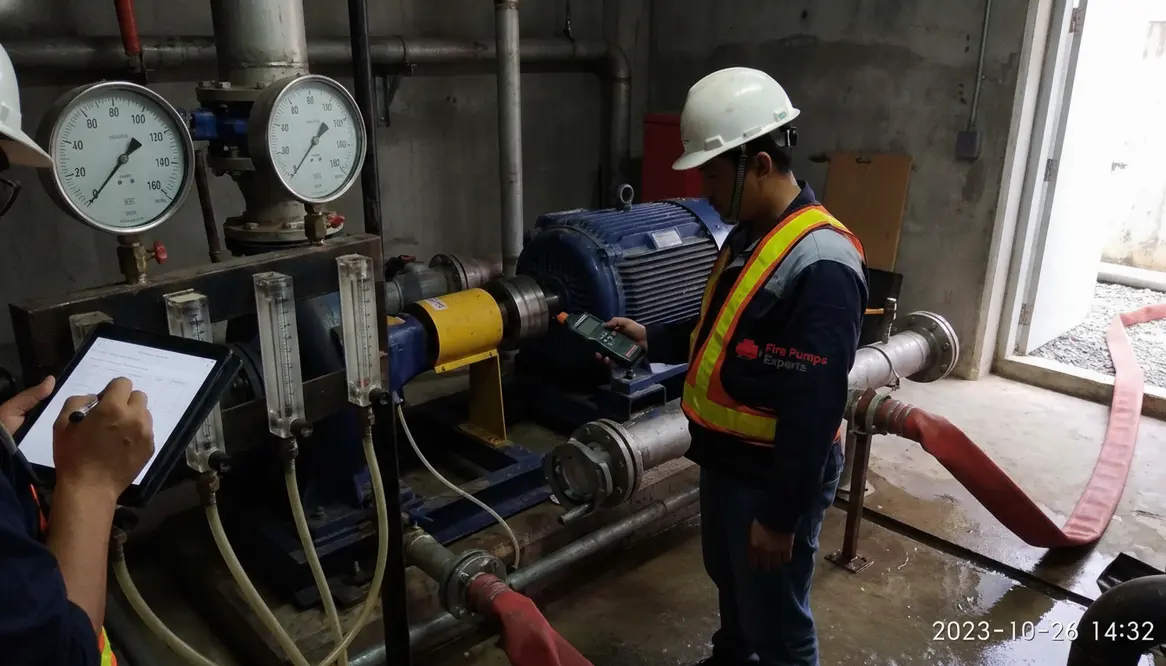
Fire Pump Performance Testing Flow Pressure and Speed
I have seen plenty of systems look ready on paper and then act like a diva when it is time to perform. That is why the fire pump performance test matters so much for commercial and industrial facilities, as well as major property buildings. It shows whether the pump can move the right amount of water, hold the needed pressure, and run at the right speed when the pressure in the system drops. In plain terms, it is how I confirm the pump is not just installed, but actually ready for work. And yes, that work can decide a lot more than a bad day at the office.
In this article, I break down how I verify flow, pressure, and speed, why those numbers matter, and how the results guide real world fire protection decisions. If a pump is the heart of the system, this test is the checkup that tells me whether the beat is strong or just trying to look impressive.
What I check before the test begins
Before I start any testing, I make sure the setup is safe and the equipment is ready. First, I confirm the pump type, rated capacity, and design data for the site. Then I check valves, gauges, suction conditions, and the test header or flow meter setup. Because commercial and industrial sites often have large demands, even a small setup error can skew the whole reading.
I also look at water supply conditions. If the source cannot support the test, the results will not tell the truth. That is why I treat prep like the opening scene in a good thriller. Miss the clue, and the whole plot goes sideways.
How I verify flow, pressure, and speed during the fire pump performance test
During the test, I measure three core items at the same time: flow, discharge pressure, and pump speed. These numbers work together, so I never judge one in isolation.
Flow
tells me how much water the pump moves. I compare the actual flow to the pump rating. If the pump falls short, it may not supply enough water to protect the building during a fire event.
Pressure
shows me how hard the pump pushes the water. I watch suction pressure and discharge pressure because both affect the final result. If pressure drops too fast, I look for supply limits, worn parts, or a setup problem.
Speed
confirms the pump runs at the expected rpm. I verify that the driver holds steady, since speed changes can affect both flow and pressure. A pump that speeds up and down like it is chasing a Marvel multiverse plot needs attention.
As I move through the test points, I compare each reading to the expected curve. This curve gives me the map. Therefore, I can see whether the pump behaves the way the design intended or whether it has decided to freestyle.
Why I compare results against the pump curve
The pump curve gives me a clear picture of how the pump should perform across different flow levels. At shutoff, I expect high pressure and zero flow. As flow increases, pressure should drop in a steady way. That pattern helps me spot trouble fast.
If the curve looks off, I do not jump to wild guesses. Instead, I review the test equipment, the water source, and the pump condition. For example, a worn impeller can reduce output. Likewise, a suction issue can make the pump seem weaker than it really is. That is why I prefer facts over drama. Drama belongs in streaming shows, not in fire pump records.
How I use test results to protect large facilities
For commercial towers, warehouses, plants, and other major buildings, these results do more than satisfy a checklist. They help me protect people, property, and operations. If I find a gap, I can recommend repair, adjustment, or follow up testing before a real emergency exposes the weakness.
Here is the simple truth: a fire pump does not care about good intentions. It only cares about proper performance. So when I review the findings, I focus on whether the system can support the site under real demand, not just during a calm inspection day. That is the whole point of a fire pump performance test: confirming it is ready when it matters, not when everything is quiet.
Dual columns for a fast view of the main checks
What I Measure
Flow rate
Discharge pressure
Suction pressure
Pump speed
What I Learn
Water delivery capacity
System push strength
Water supply stability
Driver and pump behavior
Where I look for more guidance on compliance and setup
When I need a deeper look at performance and code related details, I also review this helpful resource: AS 2419 fire pump and hydrant performance guide. It gives useful context for understanding how testing connects with broader fire protection standards and building system expectations.
For a local service example, I also point readers to this page on los angeles fire pump services, which supports commercial and industrial properties that need proper fire pump care and performance support. That connection matters because the quality of the fire pump performance test is only as strong as the setup, equipment readiness, and follow up decisions around it.
FAQ
Conclusion
If you manage a commercial or industrial facility, do not wait for a crisis to find out how your fire pump behaves. I recommend regular testing, careful review, and fast follow up on any weak result. A strong system protects the building, the people inside, and the business that depends on both. When you are ready to verify real performance, make the test count and act on what it reveals, because a solid fire pump performance test is the difference between confident readiness and surprise paperwork.