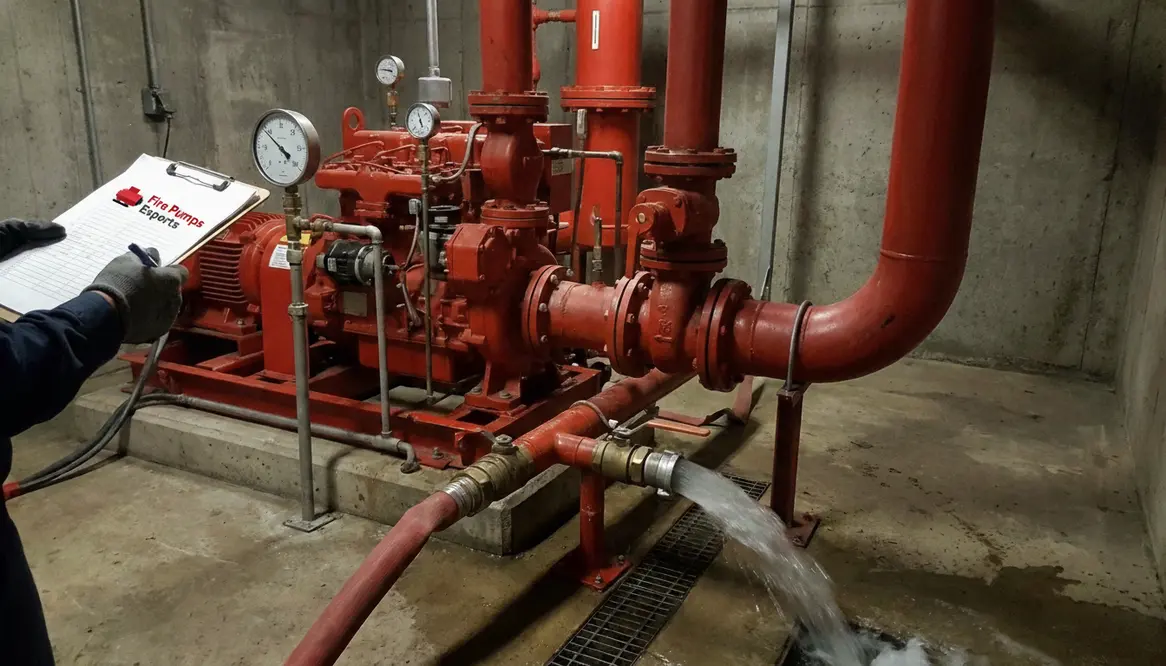
Fire Pump Test Results: Churn, Rated Flow and Overload
When I look at fire pump test results, I do not just see numbers on a sheet. I see proof that a commercial or industrial fire protection system will do its job when the pressure rises and the stakes get serious. In a big warehouse, plant, tower, or major property, those numbers tell a story. First, the pump sits at churn. Then it moves into rated flow. After that, it may push into overload. Each point reveals how the pump behaves under real demand, and yes, that matters more than a dramatic movie soundtrack ever could.
In this guide, I will break down what each result means, how I read the data, and why a proper test matters for major facilities that cannot afford guesswork.
What churn tells me about pump health
Churn is the starting line. It is the point where the pump runs with no water flowing, yet pressure builds inside the system. I watch this number closely because it tells me whether the pump can hold steady before demand begins. If the churn pressure runs too high or too low, I start looking for design issues, wear, or valve problems.
Also, churn helps me spot heat risk. A pump that runs at churn for too long can warm up fast. That is not the kind of excitement anyone wants. In a commercial site, this can point to control issues, poor settings, or a pump that needs attention before a small problem grows teeth.
How I read rated flow in fire pump test results
Rated flow is where the pump earns its keep. It shows how the pump performs at its design capacity, which is the flow it should deliver during a real fire event. I compare the measured pressure and flow against the pump curve to see whether the unit meets its duty point. If the pump falls short, I know the system may not protect the property as planned.
This stage matters because commercial and industrial buildings often rely on large, steady water delivery. A pump can look fine at churn and still struggle at rated flow. That is why I never judge the whole story from one reading. The full curve gives the truth, even when the truth wears work boots and looks a little tired.
Why overload matters more than people think
Overload is the high flow zone beyond the rated point. I use it to see how the pump handles extra demand. This helps me understand whether the pump stays stable or starts to drop pressure too fast. A pump that behaves poorly in overload may signal problems with the impeller, motor load, suction supply, or internal wear.
For large facilities, overload testing can reveal whether the system has room to handle changing conditions. Fires do not always follow neat charts. Sometimes multiple systems run at once, and the pump has to stay calm under pressure. That is where overload data becomes useful. It shows whether the pump has strength left in the tank, or whether it is already waving a tiny white flag.
How I compare the numbers side by side
I find the clearest view when I place churn, rated flow, and overload next to each other. That comparison shows the pump curve in motion. Here is the simple way I look at it.
Dual column view
When I read the table this way, patterns become clear fast. For example, a pump may show strong churn pressure but weak rated flow. In that case, I look beyond the surface and check suction conditions, controller settings, and possible blockage. Likewise, if overload pressure drops too sharply, the pump may not have the reserve needed for a tough event.
What affects fire pump test results in real buildings
Several things can shift the outcome of a test. I always check the building side before I blame the pump alone. Suction supply, pipe friction, valve position, and water source quality all shape the numbers. Temperature and test setup can also change what I see. In other words, the pump does not live in a vacuum. It lives in a system, and systems like to keep things interesting.
For commercial and industrial facilities, even a small change in water supply can alter the curve enough to matter. That is why I review the site conditions, the equipment setup, and the test method together. If I miss one piece, I may read the story wrong.
When I use standards and guidance to verify the curve
I do not rely on memory alone when I verify results. I compare the test data with the required performance guidance and system design expectations. For deeper support, I also use this AS 2419 fire pump and hydrant performance guide as a useful reference point when I need to check performance against a clear framework.
For local service support, I also recommend reviewing los angeles fire pump services for commercial and industrial properties when you need a team that works with major sites and large buildings.
FAQ
Conclusion
If you manage a commercial or industrial property, I strongly recommend treating fire pump testing as a core part of risk control, not a box to tick and forget. Clear readings at churn, rated flow, and overload can reveal hidden issues before they become costly problems. So, if your system has not been reviewed recently, now is the time to act. Schedule a proper inspection, compare the curve, and make sure your pump is ready when it counts.