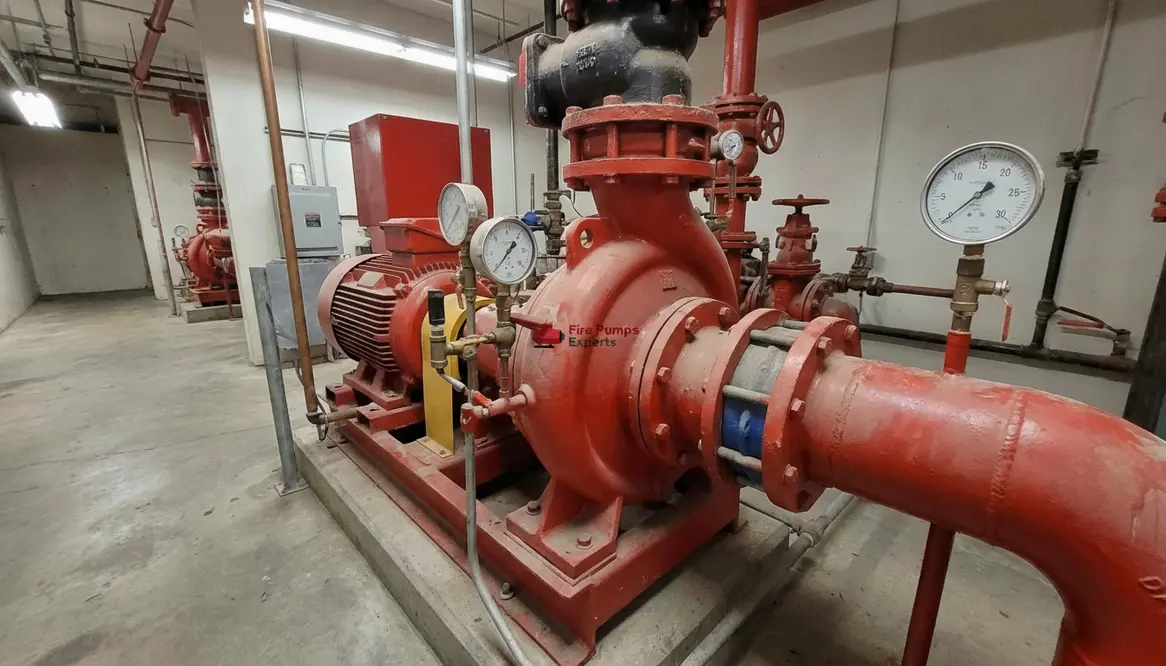
Fire Pump Churn Test, Check Pressure and Readiness
When I talk about fire protection for big buildings, I always come back to the fire pump churn test. It is one of those checks that sounds dry at first, yet it tells you a lot about whether a fire pump can do its job when pressure drops and the heat is on, literally. In a commercial tower, warehouse, or industrial site, this test helps confirm that the pump can keep water moving at the right pressure without a demand from the sprinkler system. And yes, it is less exciting than a car chase scene, but far more useful when the stakes are real.
What a Fire Pump Churn Test Is
I use the churn test to check how a fire pump performs when it runs with no water flowing. That means the pump is operating in a deadhead or no flow condition. During this test, I can see how the pump behaves at its rated speed, how stable the pressure stays, and whether the system shows signs of trouble. In simple terms, I am asking the pump, “Are you ready, or are you just making noise like a phone on silent in a meeting?”
This test matters because fire pumps protect large facilities that need steady water pressure. When a sprinkler or standpipe system activates, the pump must start quickly and deliver strong, reliable flow. Therefore, the churn test gives me a baseline for performance before an actual fire emergency ever happens.
What the test measures in real life
The fire pump churn test measures several key things at once. First, it checks the shutoff pressure, which is the pressure the pump builds when no water leaves the discharge side. Next, it helps me watch motor or engine performance, because the driver must hold steady under load. It also shows whether the pump casing gets too hot, which can happen when water sits and recirculates inside the unit.
Here is a simple way I break it down:
Two column view of what I look for
Performance snapshot Why it matters
Performance point
Shutoff pressure
Temperature rise
Driver stability
Vibration and noise
Why it matters
Shows if the pump reaches expected output
Reveals heat buildup during no flow running
Confirms the motor or engine runs smoothly
Can point to wear or mechanical trouble
So, while the test sounds like a single check, it actually gives me a wider view of pump health. As a result, I can catch issues before they turn into expensive downtime or a failed inspection.
How I read the results
Once I complete the test, I compare the readings to the pump’s listed performance data and the fire code or standard used for the facility. For major commercial and industrial buildings, that comparison matters a lot. If the pressure is too low, the pump may not deliver enough support during an emergency. If the pressure climbs too high, I may be looking at a mismatch between the pump and the system design.
I also pay close attention to how fast the pressure rises and how long the pump runs during the check. In a healthy system, I expect steady operation and controlled heat. However, if the pump begins to run rough, heat up too fast, or show strange pressure swings, I treat that as a warning sign. Nobody wants a fire pump acting like it has stage fright when real demand shows up. The fire pump churn test is where those early hints show up first.
For more detail on system expectations and related standards, I also recommend reviewing this AS 2419 fire pump and hydrant performance guide. It gives useful context for how these systems should perform in practical settings.
Why commercial and industrial sites should care
In large facilities, a fire pump does not just support safety. It protects operations, assets, people, and business continuity. That is why I never treat testing as a box to tick and walk away from. A churn test helps me verify that the pump is ready for real use, especially in places with long pipe runs, high water demand, or tall structures that need stronger pressure.
It also supports compliance. Regular testing helps building owners and facility teams show that they maintain life safety systems with care. And in the real world, that can mean fewer surprises during inspections, fewer emergency repairs, and more confidence from everyone involved. Besides, a quiet, well behaving pump is a lot better than one that only gets attention when it starts shouting through alarms. Done right, the fire pump churn test is a confidence builder, not a mood killer.
When I recommend testing and service
I recommend routine fire pump checks for any commercial or industrial facility that depends on a pump driven fire protection system. That includes warehouses, manufacturing plants, office towers, hospitals, and other major properties. The right test schedule depends on the system design, local rules, and the pump type, but the need for consistent checks never changes. If you are tracking performance trends, the fire pump churn test belongs on the list.
If I find heat issues, pressure drift, vibration, or signs of wear, I move fast. Early service can prevent a small issue from becoming a major repair. If your property needs support, you can also review los angeles fire pump service for local fire pump help focused on large commercial and industrial facilities.
FAQ
What does a fire pump churn test check?
It checks shutoff pressure, heat rise, and pump stability with no water flow.
Why is the test important?
It shows whether the pump can hold proper pressure and run safely.
How often should it happen?
The schedule depends on code, system type, and site needs.
Who should review the results?
A qualified fire protection professional should review them.
Does every building need this test?
Only buildings with fire pumps and related commercial or industrial systems need it.
Keep your fire pump ready before the alarm ever sounds
If I want a fire pump to protect a major property, I test it before it has a reason to prove itself. A churn test gives me the clearest early look at pressure, heat, and pump health, so I can spot problems while they are still easy to fix. If your facility depends on reliable fire protection, now is the time to schedule a proper check and keep your system ready for the moment that matters most. The fire pump churn test is one of the best ways to catch issues early, when there is still plenty of time to handle them.