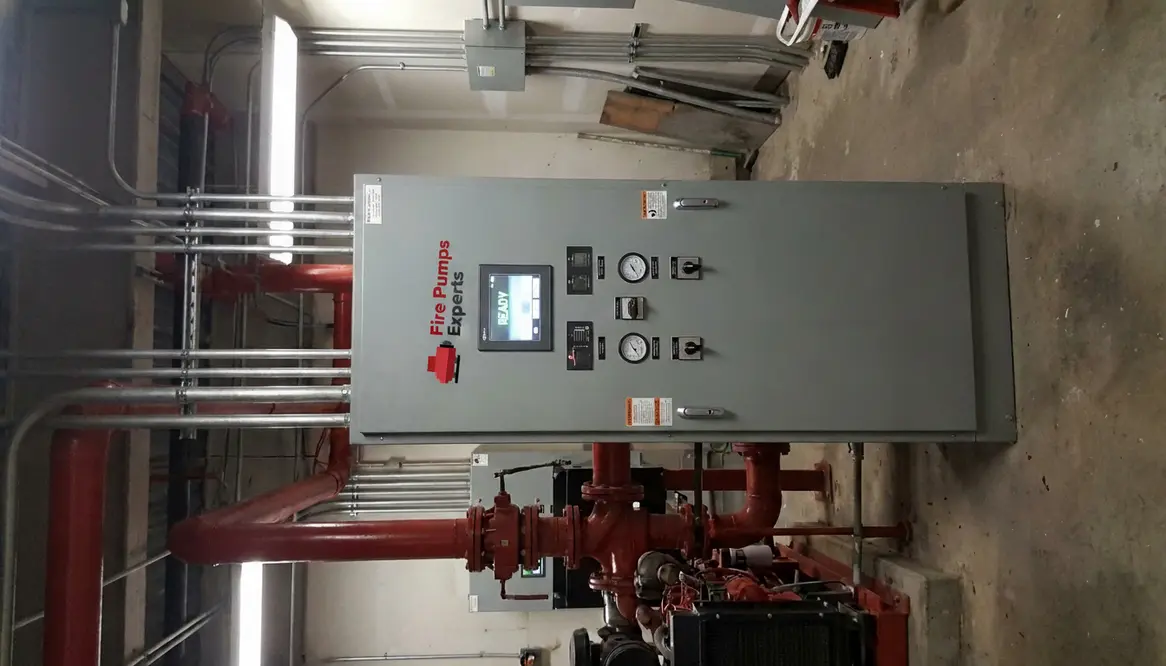
Fire Pump Controller Guide: Operation & Maintenance
A clear, practical walkthrough of how your fire pump controller actually works, what it protects, and how to keep it ready when pressure, and tempers, are running high.
Fire Pump Controller Explained: Complete Guide
I have seen a lot of building systems try to act important. Some hum. Some flash. Some just sit there looking expensive. But a fire pump controller earns its place the moment a fire protection system needs real help. In commercial and industrial facilities, along with major property buildings, this control unit tells the fire pump when to start, keeps pressure where it should be, and helps the whole system respond fast under stress. That matters, because when water pressure drops in a crisis, you do not want guesswork. You want a machine that knows its job and does it without drama, like a seasoned bodyguard in a suit.
In this guide, I will break down what it does, how it works, why it matters, and what building teams should check before they trust it with life safety duty.
What a fire pump controller does in a building system
A fire pump controller acts as the brain for the fire pump. When system pressure falls, it starts the pump automatically. It also lets staff start or stop the pump by hand during service or testing. In a commercial tower, warehouse, plant, or campus building, this matters because sprinkler demand can change fast. So, the controller watches pressure and reacts right away.
Most modern units also show status lights, alarms, and fault signals. That means operators can see if the pump is ready, running, or having trouble. In other words, it is less “mystery box” and more “clear answers on command.”
How fire pump controller operation works
The system begins with a pressure switch or sensor. When pressure drops below a set point, the controller receives the signal. Then it starts the pump motor or engine. After that, it keeps the pump running until someone stops it by manual control or the system returns to a safe state, depending on the setup and code rules.
Here is the simple chain of events:
- Pressure falls in the fire protection line
- The controller detects the low pressure signal
- The pump starts automatically
- Water pressure rises to support sprinkler or standpipe demand
- The controller keeps monitoring the system
This process sounds simple, and that is the point. In emergencies, simple usually wins. Complexity is great for science fiction. Not so much for a fire floor.
Why commercial and industrial facilities rely on it
Large buildings face special pressure problems. Tall properties need enough pressure to reach upper floors. Industrial sites may have wide sprinkler loops, heavy water demand, or high hazard areas. So, a fire pump controller helps keep the fire protection system dependable when ordinary city pressure cannot do the full job.
It also supports compliance and planned testing. Facility managers need a system that starts correctly, reports issues fast, and works with the fire pump itself. Therefore, the controller becomes part safety tool, part operations tool, and part peace of mind. That is a rare triple play. Even the Avengers would respect that kind of teamwork.
What to check during installation and daily use
I always look at the basics first. Clean setup, proper wiring, correct pressure settings, and clear access matter more than shiny extras. A good controller cannot save a poor install. Likewise, a strong install still needs regular checks.
Installation check
- Confirm proper power supply
- Verify pressure sensing lines
- Check alarm and run signal connections
- Make sure the enclosure stays dry and clear
Use and upkeep check
- Test automatic start functions
- Watch for trouble lights or fault codes
- Inspect switches, gauges, and wiring
- Record every test for the facility log
Also, trained staff should know how the system responds during alarm conditions. A rushed guess during maintenance can turn a simple test into a long meeting with too much coffee and not enough answers.
Common fire pump controller problems and fixes
Problems usually show up in predictable ways. The pump may fail to start because of bad wiring, low power, or a faulty pressure signal. Sometimes the controller shows alarms because of loose connections or worn parts. In other cases, the issue is not the controller at all, but the pump or the supply line around it.
So, I recommend a step by step approach. First, check the power. Next, inspect the signal path. Then, confirm the pump itself can run as expected. After that, review the panel for alarm history. This method saves time and keeps the team from blaming the controller for every headache in the building. Fair? Yes. Convenient? Not always. Useful? Absolutely.
What to know before choosing a fire pump controller
Before I select a controller for a project, I look at the building type, pump size, power source, and code needs. A high rise office tower may need a different setup than a large warehouse or processing plant. I also check whether the system uses electric or diesel fire pumps, because the controls differ.
For teams that want more guidance on commercial and industrial fire protection planning, a strong reference can help. I suggest reviewing a trusted resource like commercial fire pump system guidance to support better decisions for major property buildings.
Putting the fire pump controller in context
Your fire pump controller is a specialist. It does not replace good system hydraulics, correct pipe sizing, or sound pump selection. Instead, it makes sure all that planning actually shows up in the real world the moment pressure drops. That is why it deserves a little screen time in every fire protection review meeting.
FAQ: Fire Pump Controller Basics
Conclusion
If you manage a commercial, industrial, or major property building, do not treat your fire pump controller like background furniture. I suggest you inspect it, test it, and keep it ready before trouble ever shows up. A strong fire protection system depends on fast control, clean wiring, and routine checks. If you want dependable performance and fewer surprises, take the next step now and review your current setup with a qualified fire protection professional.