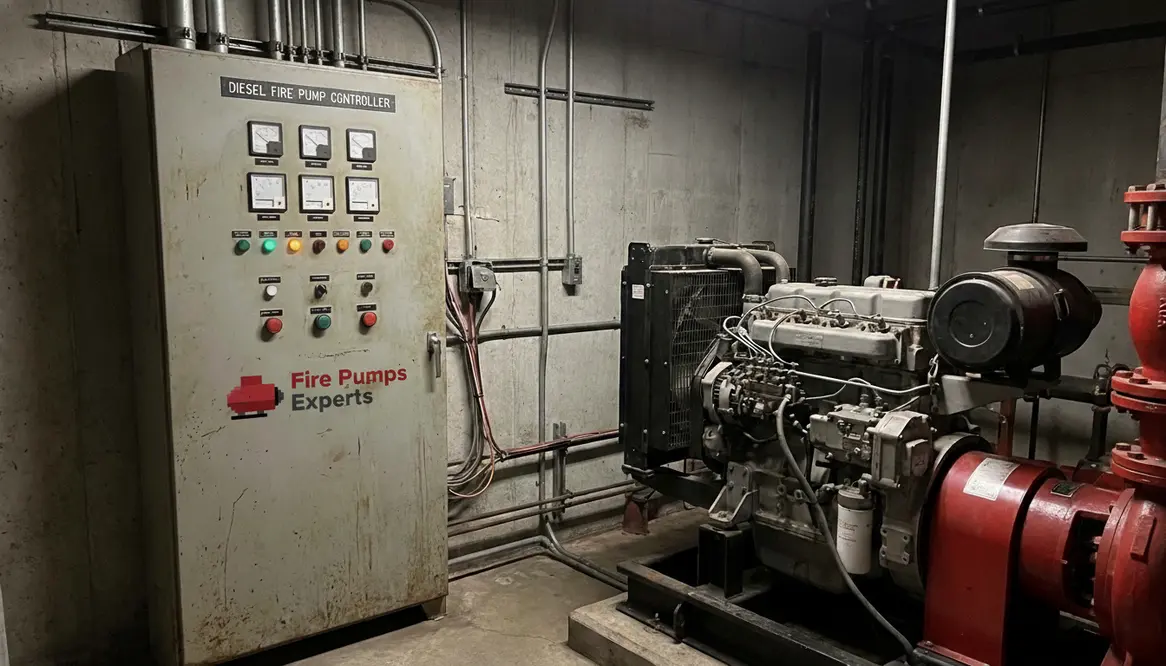
Diesel Fire Pump Controller Guide for Buildings
Diesel Fire Pump Controllers Explained
I have seen a lot of equipment in my time, but few devices earn their keep like a diesel fire pump controller. It sits in the background, quiet as a monk, until a fire alarm or pressure drop calls it into action. Then it wakes the diesel fire pump, tells it what to do, and helps protect commercial and industrial facilities when every second counts. In a world full of flashy tech, this one does not need applause. It just works, and that is the whole point.
For large properties, hospitals, warehouses, data centers, high rise buildings, and other major sites, the controller is not a nice extra. It is part of the building’s life support. So, let me walk through how it works, why it matters, and what I would watch for if I were responsible for keeping a serious fire protection system ready for the worst day on the calendar.
What a diesel fire pump controller does
A diesel fire pump controller starts, runs, and monitors the fire pump that supplies water during an emergency. First, it watches system pressure. If pressure drops below the set point, it starts the pump automatically. Then, it keeps the engine running until someone stops it by hand or the system shuts down through proper controls. In other words, it does not guess, hesitate, or ask for a coffee break.
Unlike a standard motor controller, this unit works with a diesel engine. That matters because diesel pumps do not depend on electric power. So, if the building loses electricity during a fire, the pump can still do its job. That is a big deal for commercial and industrial facilities where downtime can turn into disaster faster than a bad plot twist in a thriller.
How the control panel responds during an emergency
When I look at a fire pump control panel, I think of it as the brain of the whole setup. It receives signals from pressure switches, engine sensors, and sometimes remote alarms. Then, it reacts in a clear order.
Dual view of the main response sequence
Trigger
Low system pressure or a remote start signal tells the controller to begin the start cycle.
Action
The controller engages the starter, opens the fuel circuit, and starts the diesel engine.
Monitoring
It checks oil pressure, engine speed, battery condition, and other key signs.
Protection
It sends alarms if something goes wrong, such as low battery voltage or failure to start.
Manual control
Operators can also start or stop the pump from the panel when testing or servicing the system.
Because the controller handles these steps in order, the pump stays ready without human delay. And frankly, that is exactly what you want when smoke is already in the air.
Why industrial and commercial buildings need it
Major buildings face bigger fire risks because they hold more people, more equipment, and more property value. Therefore, they need strong fire protection that keeps working under pressure. A diesel fire pump controller supports that goal by making sure the pump starts fast and keeps running even when the power grid fails.
It also helps facility teams meet fire safety rules and reduce the risk of system failure. In a warehouse, for example, water demand can spike fast. In a high rise building, pressure must travel across many floors. Meanwhile, in a data center, even a short delay can lead to severe loss. So, the controller becomes more than a part. It becomes the guard at the gate.
For facility owners who want deeper guidance on compliant fire pump systems for major properties, I recommend reviewing diesel fire pump controller solutions for commercial and industrial facilities at https://firepumps.org.
What I check during inspection and maintenance
If I were managing one of these systems, I would not treat inspection as a box to tick. I would treat it as proof that the system will actually perform when needed. First, I would check battery charge and wiring. Then, I would confirm fuel supply, cooling, and engine readiness. After that, I would test alarms and verify that the controller starts the pump on command.
I would also watch for common problems such as loose connections, weak batteries, dirty contacts, or warning lights that someone ignored because they were busy. That is how small issues grow teeth. Regular testing matters because a diesel fire pump controller can only protect a property if the whole system stays healthy.
Just as important, I would make sure only trained staff handle adjustments. Fire protection equipment is not the place for casual tinkering. This is not a movie scene where the hero pushes a random button and everything works out. Real life likes paperwork, testing, and the occasional stubborn wire.
How to choose the right controller for a property
Matching the controller to the building
When I help match a controller to a site, I start with the building’s size, water demand, and fire system design. Next, I look at the engine type, voltage needs, alarm features, and local code requirements. Then, I check whether the panel offers clear readouts and easy service access. A good controller should make life simpler, not turn maintenance into a puzzle from a spy film.
Why diagnostics and reliability matter
I also favor units with strong diagnostic features because they help teams catch trouble early. If a facility runs around the clock, those details matter even more. In large commercial and industrial buildings, a dependable diesel fire pump controller can save time, reduce risk, and support a full fire protection plan from the first second of an emergency.
FAQ
Conclusion
If you manage a major commercial or industrial property, I urge you to take your fire pump controls seriously. A diesel fire pump controller can make the difference between a fast response and a costly failure. So, review your system, test it often, and make sure it fits your building’s needs. If you want expert support for fire protection planning, inspection, or equipment selection, now is the time to reach out and get the right solution in place.