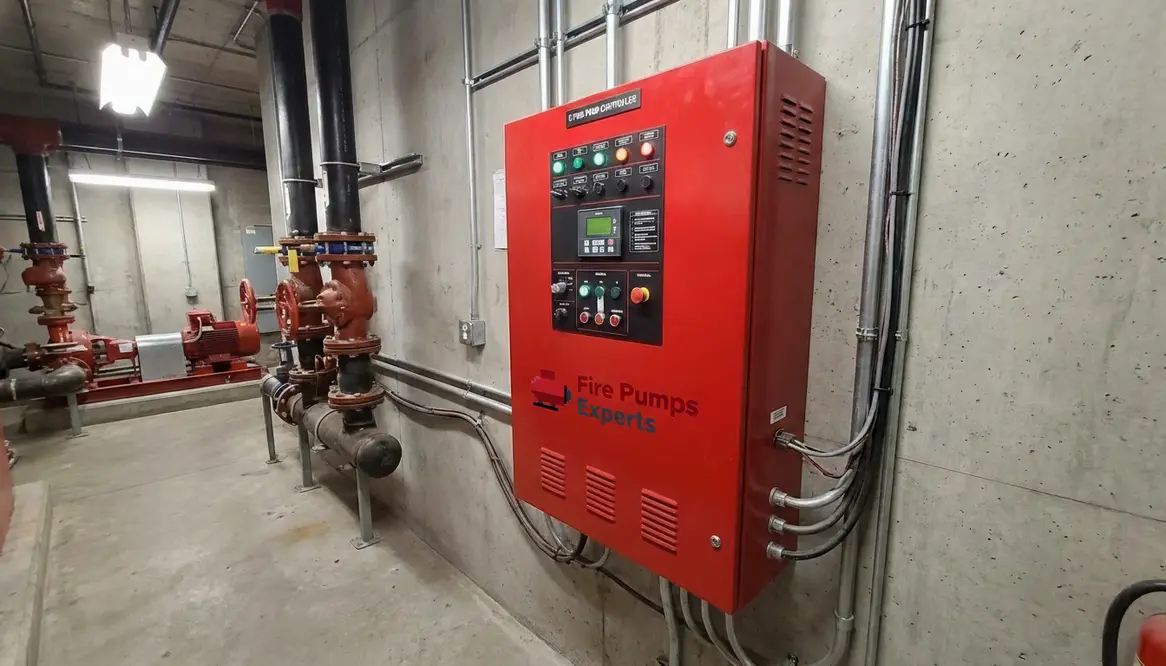
Electric Fire Pump Controller Guide for Buildings
When a fire system has to perform, there is no room for drama. That is why I like to start with the electric fire pump controller, the quiet brain behind a fire pump system in commercial and industrial buildings. It watches the pump, starts it when pressure drops, and keeps the system ready for action. In a tall office tower, a warehouse, or a plant with real risk on the line, this device can make the difference between control and chaos. And yes, it is one of those machines that works hard so everyone else can sleep at night. Very Batman. Very serious. Very useful.
For commercial properties and industrial facilities, I see these controllers as more than a box on a wall. They help protect people, property, and operations when water pressure falls below the set point. So, if you manage a major building, this topic matters more than the average coffee break debate about who would win in a superhero fight.
What an electric fire pump controller does
I explain it this way: the controller acts like a sharp watcher. First, it monitors pressure in the fire protection system. Then, when the pressure drops, it signals the pump to start. After that, it keeps checking the system while the pump runs. If the pump needs to stop manually or by a programmed sequence, the controller handles that too.
In a commercial or industrial setting, this role matters because fire sprinkler systems often depend on fast pressure support. As a result, the controller helps the pump respond without delay. It also provides status lights, alarms, and fault signals, which means staff can see what is happening before things get weird. And by weird, I mean the kind of problem nobody wants at 2 a.m.
How the system works in a building
The electric fire pump controller connects to several parts of the fire protection system. It links to pressure sensing devices, the power supply, the pump motor, and often a transfer switch. Together, those parts create a coordinated response when the system needs water pressure restored.
Typical response sequence
- Pressure drops in the fire protection line
- The controller detects the drop
- The controller starts the pump motor
- The pump boosts water pressure
- The controller continues to monitor operation
That sounds simple, and in one sense it is. However, the real value comes from reliable control under stress. In a major property, there may be long pipe runs, large sprinkler loads, and strict safety rules. Therefore, the controller has to respond with confidence, not guesswork. I always say that safety equipment should act like a seasoned chess player, not a rookie staring at the board.
Key features to look for in an electric fire pump controller
When I review a controller for a commercial facility, I focus on a few core features. These features shape reliability, ease of use, and response speed. Also, they help building teams manage the system without turning every check into a full detective story.
| Feature | Why it matters |
| Pressure sensing | Starts the pump at the right moment |
| Alarm indicators | Shows faults, phase issues, and pump status |
| Manual start and stop controls | Gives staff direct control during testing or emergencies |
| Power monitoring | Helps detect electrical problems early |
| Durable build | Supports heavy use in tough environments |
These features do more than look good on a spec sheet. In fact, they help reduce downtime and support faster decisions during inspections or emergencies. Moreover, they fit the needs of industrial plants and major buildings where system failure is not a shrug and a “we will fix it Monday” situation.
Maintenance tips for commercial facilities
Routine checks that actually help
I always recommend routine checks, because even a strong system needs attention. Start by confirming the controller shows normal status. Then test alarms, verify pressure settings, and inspect wiring for wear or loose connections. Also, check that the room stays clean, dry, and easy to access.
Why records matter more than they look
If the building has a regular inspection program, the controller should sit at the center of it. That means records matter too. Keep logs of tests, repairs, and any fault messages. As a result, your team can spot patterns before they turn into larger issues. I know paperwork is not glamorous. Still, neither is explaining why a fire pump did not respond as expected.
Why compliance and service support matter
For commercial and industrial properties, fire pump systems must meet code and safety standards. Therefore, the controller should align with the rest of the fire protection design, and the system should get reviewed by qualified service professionals. If you want deeper guidance, I suggest checking firepumps.org for commercial fire pump solutions, since the focus stays on major properties and industrial sites where real protection counts.
Good service does not just fix problems. Instead, it helps prevent them. It also supports compliance, protects uptime, and keeps your fire pump controller ready for the moment when it has to earn its keep. The right partner understands how the electric fire pump controller fits into the bigger picture of sprinklers, water supply, and emergency procedures, instead of treating it like just another panel on the wall.
Putting the electric fire pump controller in context
In a real emergency, the electric fire pump controller does not work alone. It responds to pressure changes created by sprinklers opening or hose valves flowing, and it has to coordinate with alarms, generators, and sometimes building automation systems. That is one reason codes and standards pay so much attention to controller design, and why regular service is more than a checkbox. It is how you make sure the whole chain holds when it is pulled the hardest.
Why the electric fire pump controller deserves attention
Across office towers, warehouses, and industrial plants, the electric fire pump controller quietly sits between normal operation and full emergency response. It is easy to walk past it on the way to a meeting and forget that, under the right (or wrong) conditions, that panel is the one that decides how quickly your fire pump comes to life.
Treating the electric fire pump controller as a core asset instead of background hardware shifts how teams operate. It encourages routine checks, better documentation, and more thoughtful planning around power, water supply, and emergency drills. That mindset pays off the day the pressure drops and the system has to prove that all the quiet work and maintenance were worth it.
FAQ
Conclusion
If you manage a commercial or industrial property, I believe the electric fire pump controller deserves your full attention. It does not ask for applause, yet it plays a major role when pressure drops and response time matters. So, review your system, inspect the controls, and make sure qualified support stays in the loop. If you want a safer, cleaner, more dependable fire protection setup, take the next step now and get your controller and pump system checked by experts.