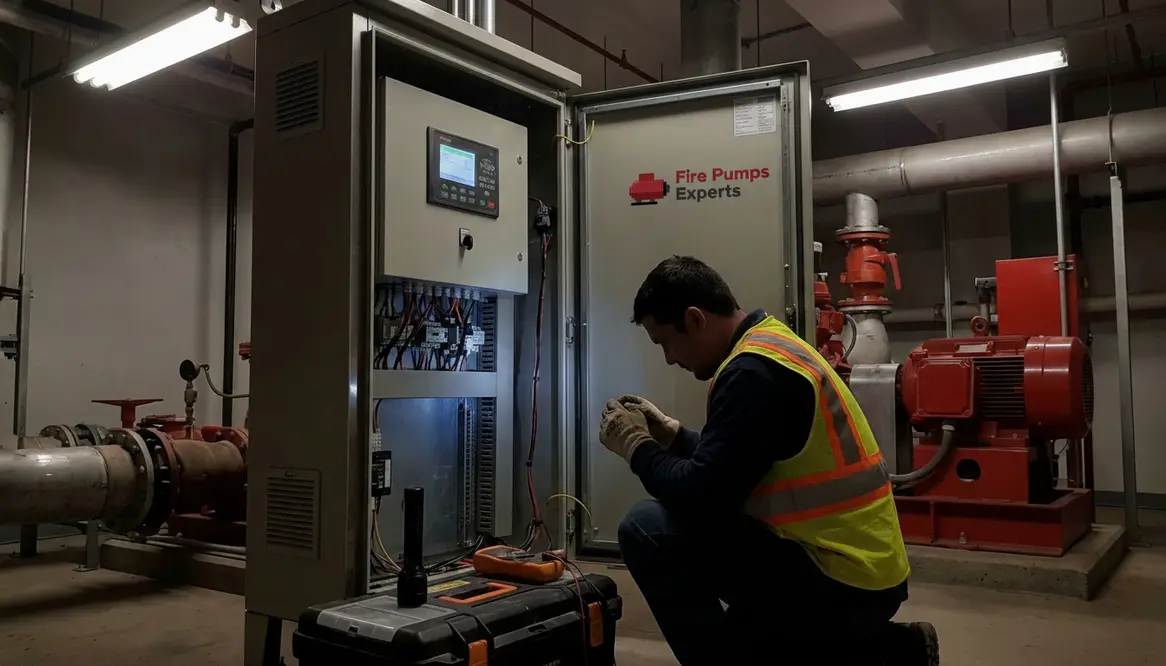
Fire Pump Controller Troubleshooting Guide
When I dig into fire pump controller troubleshooting, I treat it like a calm walk through a control room, not a sprint through a disaster movie. These controllers keep commercial and industrial fire pumps ready for the moment they matter most, and when something goes wrong, the signs usually show up before the full alarm choir starts singing. In this guide, I will walk through the common faults, the real causes behind them, and the checks that help me find the problem fast. After all, a fire pump controller should not act like a moody side character in a sitcom.
Common faults I check first
When I start fire pump controller troubleshooting, I look for the same core faults over and over again. Most issues fall into a few buckets, and that makes the work easier once I know where to aim.
- Power loss: The controller cannot do much if the incoming power is unstable or missing.
- Phase failure: On three phase systems, one bad phase can stop the show fast.
- Weak battery: If the batteries cannot hold charge, the controller may not start when needed.
- Sensor trouble: Pressure switches, transducers, and wires can send bad signals.
- Alarm faults: A stuck alarm contact or wiring issue can trigger false warnings.
In many cases, the controller itself is not the villain. Instead, the problem comes from loose wiring, worn parts, dirty terminals, or poor incoming power. So, I always start with the basics. That sounds simple, but simple wins more often than fancy. Batman had gadgets; I have a meter and patience.
Why the controller keeps alarming
Alarm problems often make people think the system has failed, but that is not always true. In fact, a fire pump controller can alarm for several reasons that do not mean the pump is down.
First, I check whether the alarm is real or false. A false alarm can come from a damaged wire, moisture in the enclosure, or a failed switch. Next, I look at the pressure settings. If the system pressure drops below the set point, the controller may start the pump and raise an alarm even when no fire exists. That does not make the controller dramatic; it makes it protective.
Then I inspect the contacts. Dust, corrosion, and loose fit can all create noisy signals. Also, if the controller sits in a harsh plant room, heat and vibration can wear out parts faster than expected. Therefore, I look at the environment as well as the hardware. A clean, dry enclosure usually gives me fewer surprises.
Dual column view for quick diagnosis
Symptom
- Pump starts by itself
- Controller shows trouble light
- Alarm will not clear
- Battery warning appears
Likely cause
- Pressure switch fault or bad wiring
- Power issue or phase loss
- Fault still present or contact stuck
- Weak or aging battery
How I trace power and wiring problems
Power problems are a big part of fire pump controller troubleshooting, and they often hide in plain sight. I begin at the source and work my way inward. That path keeps me from chasing ghosts. Nobody has time for electrical drama worthy of a reality show.
First, I confirm that the incoming voltage matches the controller nameplate. Then I check each phase for balance. If one phase runs low, the controller may show a fault or refuse to operate properly. After that, I inspect terminal tightness. A loose lug can heat up, which then creates resistance, and resistance is just electricity’s way of throwing a tantrum.
Ground faults also deserve attention. If a conductor touches the frame or another path, the controller may trip or behave in odd ways. So, I use proper test tools and check insulation when needed. I also look for broken conduit seals, water entry, or signs of overheating. In industrial settings, I expect wear, but I never assume it is normal. Normal wear and hidden damage are cousins, not twins.
Battery and starter issues in fire pump controller troubleshooting
Battery and starter faults often show up together, especially in diesel fire pump systems. If the battery weakens, the controller may not crank the engine fast enough. If the starter fails, the battery may look fine while the pump still sits there like a sleepy stage actor.
I check battery age first. Most batteries do not last forever, and old ones lose capacity even if they still hold some charge. Then I test the charger. If the charger fails, the battery slowly drops below safe range. I also inspect cable ends, since corrosion can block current flow. A shiny terminal matters more than people think.
The starter circuit needs the same care. I look for worn contacts, failed relays, and bad connections. If the controller tries to start but the motor does not turn, the fault may sit in the starter path rather than the motor itself. That is why I test step by step. It saves time and keeps me from replacing parts that still have life left in them.
What I do before calling for repair
Before I call in a specialist, I run a short field check. This saves time and often points me to the real issue fast. I verify the controller display, confirm any trouble codes, inspect the enclosure, and listen for unusual sounds. Yes, I listen. Machines speak in their own rough dialect, and I prefer to hear the complaint before it gets louder.
I also review the building’s maintenance log. That record often tells me whether the fault repeats after testing, power events, or routine service. If the problem keeps returning, I know I need a deeper look at the controller, the pump room wiring, or the system settings. For commercial and industrial facilities, that matters because downtime can affect life safety and operations at the same time.
For a deeper overview of system care, I also recommend reviewing commercial fire pump system guidance. If your site needs local support, you can also explore los angeles fire pump services for professional help with major properties and industrial facilities.
FAQ
Final thoughts
If you want reliable fire protection, I suggest treating fire pump controller issues early and with care. Small faults can grow fast, especially in busy commercial and industrial buildings. So, check the power, inspect the wiring, test the battery, and track repeat alarms with a clear process. If the problem stays hidden or keeps returning, bring in a qualified fire protection team. That way, your system stays ready, your building stays protected, and nobody has to learn the hard way.