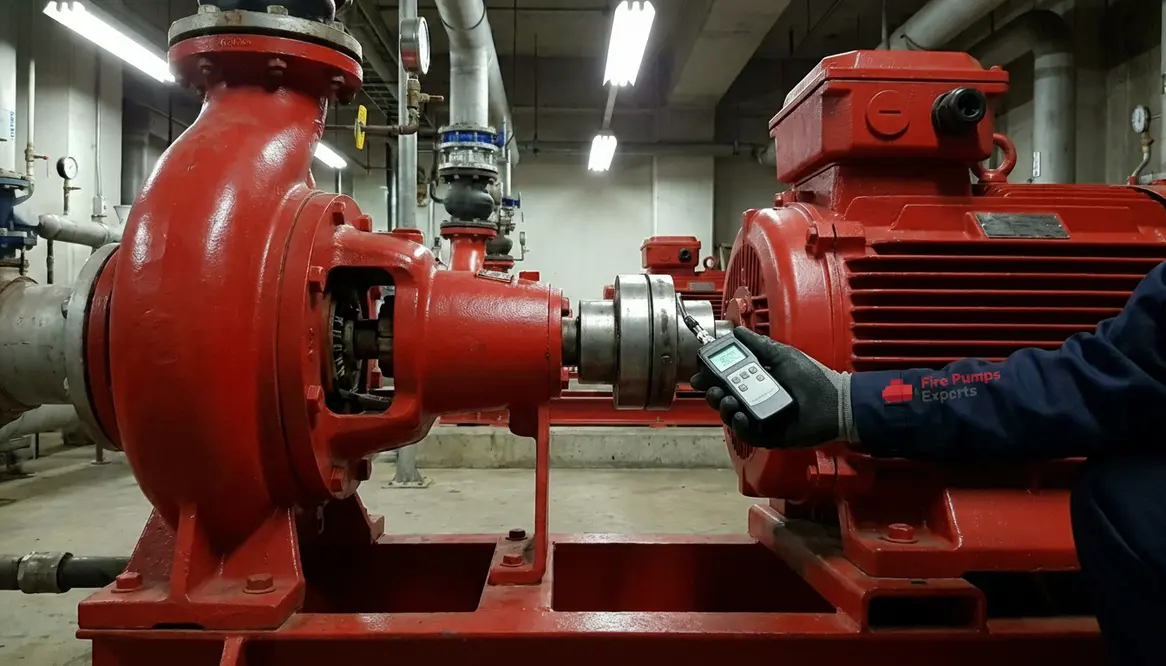
Fire Pump Coupling Alignment Guide for Reliability
I have spent enough time in pump rooms to know one simple truth. When something feels slightly off, it usually is. And in the world of commercial and industrial systems, fire pump coupling alignment is one of those quiet details that can make or break performance. It does not scream for attention. It hums. Until it doesn’t. Then suddenly, everyone is asking questions while the system sounds like it just auditioned for a disaster movie.
So let me walk you through it. Slowly. Clearly. With just enough humor to keep us both awake.
What causes fire pump coupling alignment problems?
Most alignment issues do not start with a dramatic failure. Instead, they creep in through small, overlooked factors. For example, improper installation is a frequent culprit. If the motor and pump shafts are not aligned during setup, the system begins life already compromised.
However, even a perfect installation does not guarantee a long honeymoon. Over time, thermal growth shifts components. Foundations settle. Bolts loosen. And just like that, alignment drifts.
Additionally, I often see soft foot conditions where one foot of the motor does not sit flat. That tiny gap might seem harmless, but it introduces stress across the entire coupling. Eventually, the system responds with vibration, heat, and wear.
In large commercial properties, these issues scale quickly. A minor misalignment in a small system is annoying. In a high rise or industrial facility, it is expensive.
Fire Pump Coupling Alignment Symptoms You Should Never Ignore
I like to think of misalignment as a bad roommate. It leaves clues everywhere. You just have to pay attention.
First, vibration is the most obvious sign. If your pump starts shaking like it just heard its favorite song, that is not enthusiasm. That is trouble.
Next, listen closely. Unusual noise, especially a grinding or whining sound, often points to coupling stress. Bearings may also heat up faster than expected. And when bearings suffer, the rest of the system soon follows.
Energy inefficiency is another sneaky indicator. Misaligned systems consume more power because they fight themselves internally. It is like trying to run while tying your shoes together. Technically possible. Not recommended.
Finally, frequent seal or coupling failures usually trace back to alignment problems. If parts keep failing without a clear cause, alignment deserves a hard look.
How I Approach Precision Alignment in Commercial Pump Systems
When I step into a facility, I treat alignment like a disciplined process, not a guess. First, I measure. Then I measure again. Laser alignment tools have changed the game, offering accuracy that manual methods simply cannot match.
However, tools alone do not solve the problem. I always check the foundation and baseplate condition. If the base is unstable, even perfect alignment will not last.
Then, I correct soft foot issues before adjusting anything else. This step matters more than people realize. Skipping it is like painting a house with a cracked foundation.
After that, I align the shafts both angularly and parallel. Each adjustment is small and deliberate. Rushing here is like rushing a good cup of coffee. You end up with something bitter.
Finally, I document everything. Because in large facilities, consistency matters. What gets tracked gets maintained.
Common Mistakes I See
- Skipping soft foot correction
- Relying on visual alignment only
- Ignoring thermal growth
- Failing to recheck after operation
Best Practices I Follow
- Use laser alignment tools
- Verify base stability
- Account for operating temperature
- Perform routine alignment checks
Why alignment matters more in large facilities
In commercial and industrial buildings, systems do not operate in isolation. Fire pumps serve as critical infrastructure. When fire pump coupling alignment fails, it is not just a maintenance issue. It becomes a reliability risk.
Moreover, these facilities run under demanding conditions. Long operating hours, high loads, and strict compliance requirements leave little room for error. A poorly aligned coupling can shorten equipment life and increase downtime.
That is why many facility managers turn to resources like expert fire pump system guidance to ensure their systems meet both performance and safety expectations.
Because when an emergency happens, the system does not get a second chance. And frankly, neither do you.
Fire Pump Coupling Alignment Maintenance That Actually Works
I believe maintenance should be proactive, not reactive. Waiting for failure is a strategy, just not a good one.
Routine inspections should include vibration analysis and temperature monitoring. These tools provide early warnings before visible damage occurs.
Additionally, I recommend scheduling periodic fire pump coupling alignment checks, especially after major operational changes. Even something as simple as seasonal temperature shifts can affect alignment.
Lubrication also plays a role. While it does not fix alignment, proper lubrication reduces the stress caused by minor deviations.
And yes, documentation matters here too. Keeping records helps identify patterns and prevent repeat issues. It is not glamorous work, but neither is replacing a failed pump at the worst possible time.
FAQ Quick Answers
Final Thoughts and Next Steps
If there is one thing I have learned, it is this. Small alignment issues rarely stay small. They grow quietly until they demand attention at the worst moment. So take control early. Invest in proper fire pump coupling alignment, consistent monitoring, and expert support. If your facility depends on reliable fire protection, now is the time to act. Because when everything is on the line, precision is not optional. It is essential.