Fire Pump Deluge System Requirements Guide
I have spent years around high hazard facilities, where one small spark can turn into a full scale disaster before you even finish your morning coffee. In these environments, fire pump deluge system requirements are not just technical guidelines. They are the difference between controlled risk and catastrophic loss. When I walk into a refinery, data center, or aircraft hangar, I look first at the relationship between the fire pump and the deluge system. Because when things go wrong, they must perform without hesitation, like a seasoned actor hitting their mark on cue. No drama. Just results.
What Role Does a Fire Pump Play in Deluge Systems?
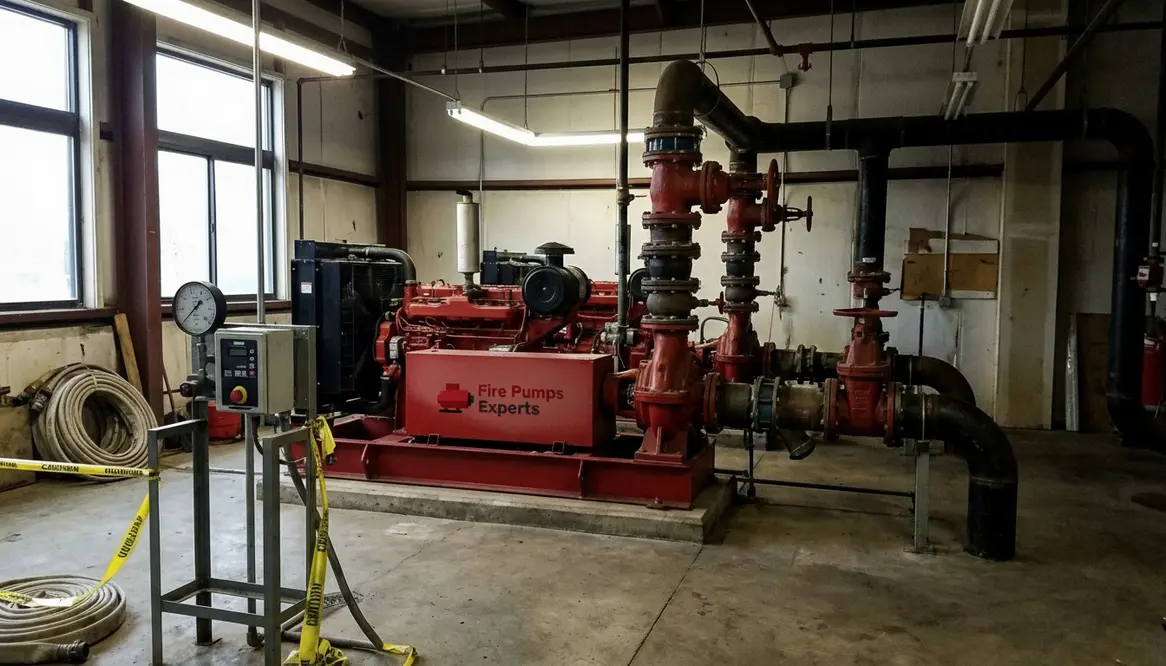
I like to think of the fire pump as the heart of the entire operation. The deluge system is impressive on its own, releasing large volumes of water across open nozzles. However, without a reliable pump behind it, that system is just a fancy set of pipes waiting for disappointment.
When a deluge valve opens, it demands immediate, high volume water flow. At that exact moment, the fire pump steps in and delivers consistent pressure across the system. Without that pressure, coverage becomes uneven, and in high hazard environments, uneven means unsafe.
Moreover, I have seen facilities assume municipal supply will carry the load. That is a gamble I would not take. A dedicated fire pump ensures that water arrives fast and with force, even when external supply falls short. Think of it as having your own backup singer who never misses a note.
Understanding Fire Pump Deluge System Requirements in High Hazard Settings
High hazard facilities operate under stricter expectations, and rightly so. The fire pump deluge system requirements here are built around speed, reliability, and capacity.
First, the pump must deliver enough flow to supply all open nozzles simultaneously. This is not a sprinkler system that activates in sections. It is an all in moment. Therefore, sizing the pump correctly becomes critical.
Second, response time matters. Deluge systems rely on detection systems, and once triggered, the pump must start without delay. Electric or diesel driven pumps are selected based on facility risk and power reliability. I have seen diesel pumps save the day during power failures more times than I can count.
Finally, redundancy is not optional. Backup pumps, secondary power sources, and regular testing all play a role. Because in these facilities, failure is not just inconvenient. It is expensive, dangerous, and sometimes headline worthy.
How I Approach System Design for Maximum Performance
When I design or evaluate a system, I focus on balance. It is not just about having a powerful pump. It is about matching that pump to the deluge system and the hazard profile.
I start with hazard analysis. What materials are present? How quickly can fire spread? Then I calculate the required flow rate and pressure. After that, I select a pump that meets those demands without operating at its limits. Because pushing equipment to the edge is a great way to meet it again during a failure.
Additionally, I pay close attention to layout. Pipe sizing, valve placement, and system zoning all influence performance. Even the best pump cannot compensate for poor design. It is like putting a race car engine in a vehicle with square wheels. Impressive, but not useful.
Key Components That Work Alongside the Fire Pump
Water Supply
Reliable and sufficient storage ensures the pump has something to deliver.
Deluge Valve
Acts as the gatekeeper, releasing water instantly when triggered.
Detection System
Heat, flame, or smoke detection activates the entire sequence.
Control Panel
Coordinates signals and ensures proper system response.
Piping Network
Distributes water evenly across all discharge points.
Backup Power
Keeps everything running when primary power fails.
When these elements work together, the result is seamless. When they do not, it feels like a band where everyone is playing a different song.
Why Maintenance Is Where Systems Win or Fail
I cannot stress this enough. Even the best designed system will fail without proper maintenance. And unfortunately, I have seen this happen more often than I would like.
Regular testing ensures the fire pump starts instantly and delivers the required pressure. Flow testing verifies performance under real conditions. Inspections catch wear, corrosion, or control issues before they become critical.
Furthermore, documentation matters. Keeping accurate records helps identify trends and prevents surprises. Because in this line of work, surprises are rarely good.
There is a saying I like. Equipment does not fail suddenly. It fails gradually, then all at once. Maintenance catches the gradual part before it becomes a problem.
Fire Pump Deluge System Requirements That Shape Compliance and Safety
Compliance is not just about passing inspections. It is about ensuring the system performs under pressure, literally and figuratively. The fire pump deluge system requirements guide everything from installation to long term operation.
Standards define minimum flow rates, acceptable pressure levels, and testing intervals. However, I always recommend going beyond the minimum where possible. Because real world conditions rarely match ideal scenarios.
In high value commercial and industrial properties, downtime costs money. Damage costs even more. Investing in a robust system upfront often saves far more in the long run. It is not the most exciting budget item, but it is one of the smartest.
For in-depth references, design tools, and further explanations of fire pump deluge system requirements, resources such as https://firepumps.org can be useful starting points when validating calculations and aligning with recognized standards.
FAQ
Conclusion
If you manage or operate a high hazard facility, do not leave your fire protection system to chance. I have seen what happens when systems fall short, and it is never pretty. A properly designed and maintained fire pump and deluge system protects assets, operations, and lives. Take the time to evaluate your setup, meet the right requirements, and invest where it counts. When the moment comes, you will want absolute confidence, not crossed fingers.