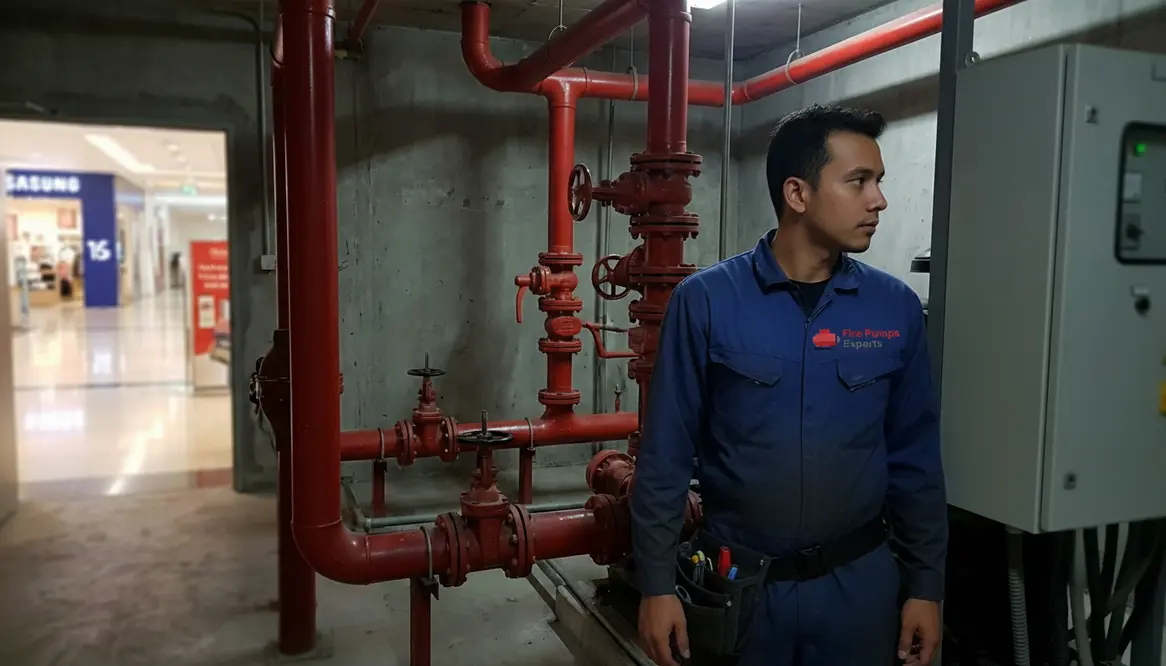
Fire Pump Design for Retail Centers and Safety
I have spent years walking through large commercial spaces, from towering retail centers to complex industrial sites, and one truth always settles in like a calm voice in a quiet room. Safety is never an accident. It is designed. While many people associate food processing fire protection with manufacturing floors and production lines, the same discipline quietly shapes the safety of retail environments too. After all, a shopping center is just another kind of machine, one powered by people, electricity, and constant motion. And when fire risks enter the picture, proper fire pump design becomes the unsung hero.
Why Proper Fire Pump Design Matters in Retail Centers
I like to think of a fire pump as the heart of a building’s fire protection system. Without it, everything else is just decoration. Sprinklers, standpipes, and hydrants all rely on one thing. Pressure. And that pressure has to show up on time, every time.
Retail centers, especially large commercial properties, present unique challenges. Long corridors, high ceilings, underground parking, and dense occupancy all demand consistent water delivery. Therefore, a well designed fire pump ensures that water reaches every corner, even during peak demand. Think of it like making sure every seat in a packed movie theater gets popcorn before the opening scene. Miss the timing, and things fall apart fast.
Moreover, proper design reduces system strain. It balances flow and pressure so equipment lasts longer and performs better under stress.
Connecting retail safety and food processing fire protection
What keeps a busy retail center safer is the same mindset that drives food processing fire protection: design for the worst day, not the best one. That means consistent water supply, predictable pressure, and a system engineered so it performs under stress instead of falling apart when everyone needs it most.
How Do Fire Pumps Improve Safety and Business Continuity?
I have seen firsthand how a strong fire protection system protects more than just property. It protects reputation. Retail centers thrive on trust. People walk in expecting a safe environment, not a surprise action scene from Die Hard.
With a properly designed fire pump system, fires are controlled quickly. As a result, damage stays contained, downtime shrinks, and businesses reopen faster. This is not just about safety codes. It is about keeping tenants operating and customers returning.
Additionally, insurance providers often look closely at fire protection systems. Strong design can lead to better rates and fewer headaches during claims. In other words, the right fire pump quietly pays for itself over time.
Where fire pumps fit into your retail risk picture
In retail environments, a well designed fire pump anchors everything from sprinkler performance to standpipe reliability. When backed by the same rigor used in food processing fire protection, it supports evacuation plans, limits smoke spread, and gives fire crews water where and when they need it. That is how you turn a potential catastrophe into a controlled incident.
Key Design Elements That Make Fire Pumps Effective
When I evaluate a system, I focus on a few critical factors that separate a solid design from a risky one.
Hydraulic Demand
I ensure the system meets the exact pressure and flow requirements of the building. No guessing. No shortcuts.
Redundancy
Backup systems matter. Because when one component fails, another must step in without hesitation.
Power Supply
Reliable power, whether electric or diesel, keeps the system running during emergencies.
System Integration
I align the pump with sprinklers, alarms, and control systems for seamless operation.
Testing Access
Routine testing must be easy. If it is not, it will not happen as often as it should.
Compliance
I design to meet strict codes while also preparing for real world conditions.
Each of these elements plays a role in making sure the system performs when it matters most. And unlike a casual shopping trip, there are no second chances here.
Linking pump design to real-world retail risk
When those design elements come together, you get a retail fire protection system that feels a lot like food processing fire protection in practice: precise hydraulic calculations, dependable redundancy, and the kind of test-friendly layout that encourages regular inspection instead of avoiding it.
Lessons Retail Centers Can Borrow from Food Processing Fire Protection
Now here is where things get interesting. The discipline behind food processing fire protection brings a level of precision that retail centers can learn from. In food facilities, there is zero tolerance for system failure. Clean environments, sensitive equipment, and continuous operations demand exact performance.
Retail environments benefit from adopting that same mindset. For example, zoning systems carefully ensures that a fire in one area does not disrupt the entire building. Similarly, maintaining strict inspection routines keeps systems ready at all times.
And let us be honest. If a facility that produces your favorite snacks can maintain flawless fire protection, your local shopping center should not settle for less.
Borrowing discipline from production floors
In both retail and food production, the best outcomes come from assuming that something will go wrong eventually. Designing with that assumption creates fire pump systems that handle blocked aisles, crowded peak hours, power interruptions, and odd architectural layouts without missing a beat.
That shared philosophy is why conversations about food processing fire protection often sound very familiar when applied to big box stores, outlet centers, or multi-level malls. The stakes look different, but the engineering mindset is the same.
The Hidden Cost of Poor Fire Pump Design
I have seen what happens when fire pump design is treated as an afterthought. It is not pretty. Systems underperform, water fails to reach critical areas, and small incidents turn into major losses.
However, the damage goes beyond physical loss. Tenants lose revenue. Customers lose confidence. Owners face costly repairs and legal complications. It becomes a domino effect, and no one enjoys watching those fall.
On the other hand, investing in proper design upfront prevents these scenarios. It creates stability. It builds confidence. And it ensures that when something goes wrong, the system responds like a seasoned professional, not a rookie in their first game.
Design first, repairs later (if ever)
The quiet success story is the retail center that never makes the news because its fire pump did exactly what it was designed to do. That kind of resilience is built long before an incident. It mirrors the no-compromise standards used in food processing fire protection, where poor design simply is not an option.
FAQ: Fire Pump Design in Retail Centers
What does a fire pump do in a retail center?
It increases water pressure so sprinkler systems and hydrants can control fires effectively.
Why is fire pump design important for large commercial buildings?
Because large spaces need consistent water flow across long distances and multiple levels.
How often should fire pumps be tested?
Weekly and monthly tests are standard, with annual performance evaluations.
Can poor design affect insurance costs?
Yes, inadequate systems can lead to higher premiums and claim issues.
Is retail fire protection similar to food processing fire protection?
They share core principles, but food facilities often require tighter controls and precision.
Final Thoughts and Next Steps
I always say this. A retail center without a properly designed fire pump system is like a stage without lighting. The show might go on, but one mistake and everything goes dark. If you manage or develop a commercial property, now is the time to take fire protection seriously. Work with experts who understand both performance and compliance. Because in the end, safety is not just a feature. It is the foundation your entire operation stands on.
If you want to see how a specialized team approaches pump selection, testing, and long term reliability, explore resources like Kord Fire’s fire pump services for a deeper look at how design and maintenance come together in real buildings.
Whether you are responsible for a single strip center or a sprawling multi-story retail complex, treating your fire pump design with the same seriousness as food processing fire protection is one of the most practical ways to protect people, property, and your brand’s future.