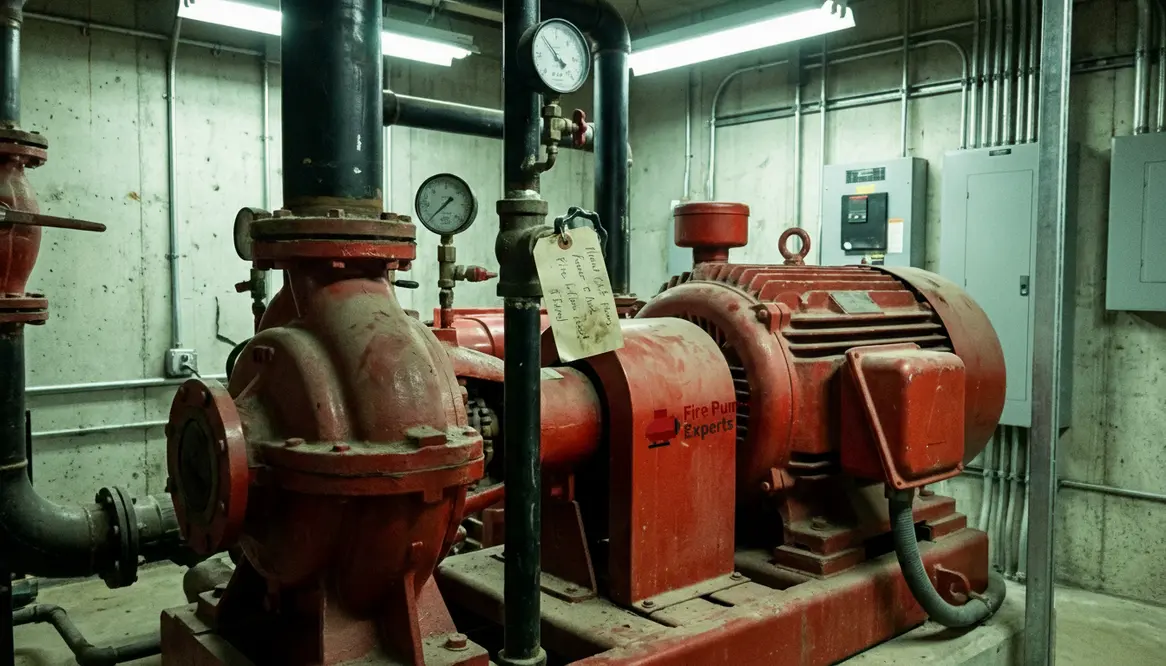
Fire Pump Duty Cycle Glendale Overuse Risks
Overworked fire pumps in Glendale’s never-sleep commercial and industrial buildings rarely fail loudly at first. They fail quietly, over months and years of abuse, and usually choose the worst time possible to finally quit.
I have spent years around commercial and industrial fire protection systems, and if there is one topic that keeps coming back like a sequel nobody asked for, it is fire pump duty cycle Glendale challenges in frequently activated systems. In a city where high demand buildings never really sleep, pumps often work harder than they were ever meant to. And while a fire pump is built tough, even the toughest systems have limits. Ignore those limits, and the consequences arrive quietly at first, then all at once.
Understanding and managing fire pump duty cycle Glendale performance is not just a technical nicety; it is a core part of keeping real people and real properties safe in an environment where systems are constantly under pressure.
What Happens When Fire Pumps Run Too Often in Glendale Facilities
Let me answer this plainly. When a fire pump runs too often, it wears out faster. However, that is just the opening act. Frequent cycling builds heat, stresses components, and shortens motor life. In Glendale’s dense commercial environments, I often see systems triggered by pressure fluctuations rather than real emergencies.
As a result, the pump starts and stops repeatedly. Over time, seals degrade, bearings fatigue, and controllers lose precision. It is like revving a car engine at every red light. Sure, it runs, but not for long. And eventually, it will pick the worst possible moment to fail.
Understanding Fire Pump Duty Cycle Glendale in High Demand Buildings
Now let us slow things down and look at what duty cycle actually means. Simply put, it defines how often and how long a fire pump is designed to run. In many Glendale high rises and industrial sites, the real world usage often exceeds those design expectations.
Because of that mismatch, systems begin operating outside their comfort zone. I have seen pumps designed for occasional emergency use acting like they are on a daily workout plan. And unlike a gym routine, there is no benefit to overtraining here. Only breakdowns.
Moreover, modern buildings with complex sprinkler zoning and pressure sensitive systems tend to trigger pumps more frequently. Therefore, without careful calibration, the system itself becomes the problem.
Common Causes of Frequent Activation in Commercial Systems
From my experience, frequent activation is rarely random. There is always a reason, and usually more than one.
Mechanical and System Issues
- Pressure drops from small leaks
- Faulty check valves
- Worn pressure sensors
- Poorly tuned controllers
Operational and Design Factors
- Oversized or undersized pumps
- Improper zoning in large buildings
- Frequent testing without proper intervals
- Inconsistent water supply pressure
In other words, the pump is often reacting to noise rather than real demand. It is like a smoke detector going off because someone made toast. Technically working, but not helpful.
How I Identify Duty Cycle Stress Before Failure Hits
I always say the system whispers before it screams. The trick is knowing what to listen for. First, I monitor start frequency. If a pump cycles more than expected, that is an early warning. Then I check temperature trends, because excessive heat often signals overuse.
Additionally, I look at controller logs. These logs tell a story, and sometimes it is a horror story. Frequent starts, short run times, and inconsistent pressure readings all point to duty cycle stress.
Furthermore, vibration analysis helps uncover internal wear before visible damage occurs. It is not glamorous work, but it is effective. Think of it as reading the pump’s mood before it throws a tantrum.
Preventing Overuse in Glendale Fire Pump Systems
Control And Calibration
First, I fine tune pressure settings to reduce unnecessary activations. Then, I ensure controllers are calibrated correctly. This alone can dramatically reduce cycling.
Support Systems And Maintenance
Next, I recommend installing pressure maintenance pumps where appropriate. These smaller pumps handle minor fluctuations, allowing the main fire pump to stay ready for actual emergencies.
Also, regular inspections play a critical role. Not the rushed checklist kind, but thorough evaluations that catch small issues early. Because small issues have a bad habit of growing up into expensive problems.
Finally, system design reviews are essential in older Glendale properties. Buildings evolve, and fire protection systems must evolve with them. When I look at fire pump duty cycle Glendale behavior in these aging properties, the story is usually the same: the building changed, but the fire pump strategy did not.
Why Fire Pump Duty Cycle Glendale Matters for Compliance and Safety
This is not just about equipment longevity. It is about safety and compliance. Codes require fire pumps to perform reliably under emergency conditions. If a pump is worn out from overuse, it may not deliver when it matters most.
Moreover, insurance and regulatory inspections often flag excessive cycling as a risk factor. Therefore, addressing duty cycle issues is not optional. It is part of maintaining a compliant and insurable facility.
And let us be honest. No facility manager wants to explain to stakeholders why a critical life safety system failed because it was overworked. That is not a meeting anyone enjoys.
When auditors or insurers start asking about fire pump duty cycle Glendale data, having clear logs, realistic settings, and a documented maintenance plan makes the conversation a lot less stressful.
FAQ About Fire Pump Duty Cycle Issues
A few questions come up over and over when I talk with facility managers and owners about overworked fire pumps.
Keep Your System Ready, Not Worn Out
If your facility in Glendale relies on a fire pump that seems a little too eager to run, it is time to take a closer look. I help commercial and industrial properties diagnose and correct duty cycle issues before they turn into costly failures. Reach out today, and let us make sure your system stays reliable, compliant, and ready when it actually matters. Because in fire protection, timing is everything.
If you want a deeper technical reference on how fire pumps should behave when they are set up correctly, resources like https://firepumps.org can provide helpful background. Then match that theory with what your logs are telling you on-site, and you will quickly see whether your fire pump duty cycle Glendale profile looks healthy or dangerously overworked.