Quick answers for transfer confidence
If you are tracking what can go wrong with fire pump emergency power and how to prevent it, these common questions cover the essentials around the fire pump transfer switch and fire pump generator.
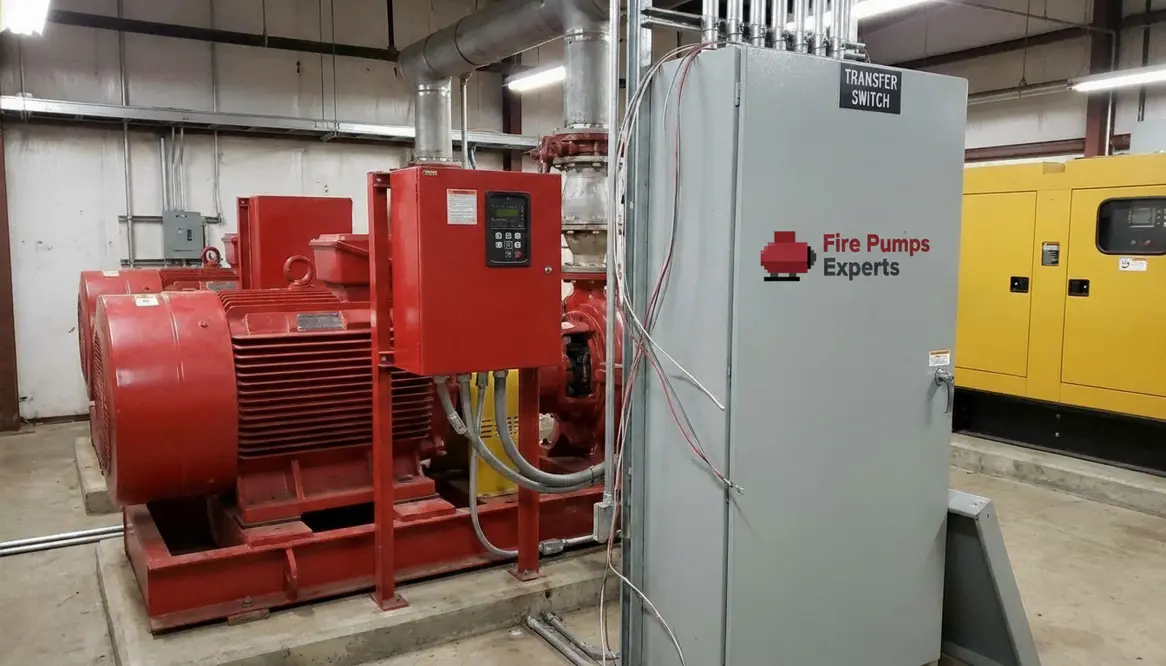
If you are tracking what can go wrong with fire pump emergency power and how to prevent it, these common questions cover the essentials around the fire pump transfer switch and fire pump generator.
If I want a fire pump system to work when it counts, I do not treat emergency power as background noise. I inspect the switch, test the generator, and confirm the whole transfer path before trouble arrives. For commercial and industrial facilities, that discipline protects people, property, and operations. If you manage a major building, now is the time to review your system, schedule service, and make sure your backup power is ready for the worst day, not just the easy ones.
If you are tracking what can go wrong with fire pump emergency power and how to prevent it, these common questions cover the essentials around the fire pump transfer switch and fire pump generator.
If I want a fire pump system to work when it counts, I do not treat emergency power as background noise. I inspect the switch, test the generator, and confirm the whole transfer path before trouble arrives. For commercial and industrial facilities, that discipline protects people, property, and operations. If you manage a major building, now is the time to review your system, schedule service, and make sure your backup power is ready for the worst day, not just the easy ones.
If you are tracking what can go wrong with fire pump emergency power and how to prevent it, these common questions cover the essentials around the fire pump transfer switch and fire pump generator.
If I want a fire pump system to work when it counts, I do not treat emergency power as background noise. I inspect the switch, test the generator, and confirm the whole transfer path before trouble arrives. For commercial and industrial facilities, that discipline protects people, property, and operations. If you manage a major building, now is the time to review your system, schedule service, and make sure your backup power is ready for the worst day, not just the easy ones.
When I work on fire pump emergency power issues, I want people who understand large buildings, not just general equipment. Major commercial and industrial sites need a team that knows how fire pumps, generators, and transfer systems interact under pressure. Otherwise, the fix may look fine on paper and fail in the field. That is not an inspiring plot twist.
For local needs, I would also review this los angeles fire pump service resource because it gives a strong reference point for fire pump support in demanding facilities. When the goal is uptime, code awareness, and real protection, the service partner matters as much as the hardware.
If you are tracking what can go wrong with fire pump emergency power and how to prevent it, these common questions cover the essentials around the fire pump transfer switch and fire pump generator.
If I want a fire pump system to work when it counts, I do not treat emergency power as background noise. I inspect the switch, test the generator, and confirm the whole transfer path before trouble arrives. For commercial and industrial facilities, that discipline protects people, property, and operations. If you manage a major building, now is the time to review your system, schedule service, and make sure your backup power is ready for the worst day, not just the easy ones.
For larger facilities, I also review related electrical and fire service support. If the building uses connected systems, I compare notes with resources like commercial electrical service support and fire sprinkler service guidance for major properties. That helps me keep the pump, controls, and protection plan aligned instead of working in separate little silos, which is how trouble likes to sneak in.
When I work on fire pump emergency power issues, I want people who understand large buildings, not just general equipment. Major commercial and industrial sites need a team that knows how fire pumps, generators, and transfer systems interact under pressure. Otherwise, the fix may look fine on paper and fail in the field. That is not an inspiring plot twist.
For local needs, I would also review this los angeles fire pump service resource because it gives a strong reference point for fire pump support in demanding facilities. When the goal is uptime, code awareness, and real protection, the service partner matters as much as the hardware.
If you are tracking what can go wrong with fire pump emergency power and how to prevent it, these common questions cover the essentials around the fire pump transfer switch and fire pump generator.
If I want a fire pump system to work when it counts, I do not treat emergency power as background noise. I inspect the switch, test the generator, and confirm the whole transfer path before trouble arrives. For commercial and industrial facilities, that discipline protects people, property, and operations. If you manage a major building, now is the time to review your system, schedule service, and make sure your backup power is ready for the worst day, not just the easy ones.
The best fix is not a dramatic repair after failure. It is steady prevention. So, I build a routine that includes inspection, load testing, and record review. Also, I make sure any service work follows the site design and the fire protection plan for the property.
I focus on the items that usually cause trouble first: loose terminals, dirty contacts, weak batteries, aging relays, and poor test records. Then I confirm that the transfer sequence works under real conditions. A quick glance is not enough. The system must prove itself under load, because fire protection does not run on hope and good vibes.
For larger facilities, I also review related electrical and fire service support. If the building uses connected systems, I compare notes with resources like commercial electrical service support and fire sprinkler service guidance for major properties. That helps me keep the pump, controls, and protection plan aligned instead of working in separate little silos, which is how trouble likes to sneak in.
When I work on fire pump emergency power issues, I want people who understand large buildings, not just general equipment. Major commercial and industrial sites need a team that knows how fire pumps, generators, and transfer systems interact under pressure. Otherwise, the fix may look fine on paper and fail in the field. That is not an inspiring plot twist.
For local needs, I would also review this los angeles fire pump service resource because it gives a strong reference point for fire pump support in demanding facilities. When the goal is uptime, code awareness, and real protection, the service partner matters as much as the hardware.
If you are tracking what can go wrong with fire pump emergency power and how to prevent it, these common questions cover the essentials around the fire pump transfer switch and fire pump generator.
If I want a fire pump system to work when it counts, I do not treat emergency power as background noise. I inspect the switch, test the generator, and confirm the whole transfer path before trouble arrives. For commercial and industrial facilities, that discipline protects people, property, and operations. If you manage a major building, now is the time to review your system, schedule service, and make sure your backup power is ready for the worst day, not just the easy ones.
The best fix is not a dramatic repair after failure. It is steady prevention. So, I build a routine that includes inspection, load testing, and record review. Also, I make sure any service work follows the site design and the fire protection plan for the property.
I focus on the items that usually cause trouble first: loose terminals, dirty contacts, weak batteries, aging relays, and poor test records. Then I confirm that the transfer sequence works under real conditions. A quick glance is not enough. The system must prove itself under load, because fire protection does not run on hope and good vibes.
For larger facilities, I also review related electrical and fire service support. If the building uses connected systems, I compare notes with resources like commercial electrical service support and fire sprinkler service guidance for major properties. That helps me keep the pump, controls, and protection plan aligned instead of working in separate little silos, which is how trouble likes to sneak in.
When I work on fire pump emergency power issues, I want people who understand large buildings, not just general equipment. Major commercial and industrial sites need a team that knows how fire pumps, generators, and transfer systems interact under pressure. Otherwise, the fix may look fine on paper and fail in the field. That is not an inspiring plot twist.
For local needs, I would also review this los angeles fire pump service resource because it gives a strong reference point for fire pump support in demanding facilities. When the goal is uptime, code awareness, and real protection, the service partner matters as much as the hardware.
If you are tracking what can go wrong with fire pump emergency power and how to prevent it, these common questions cover the essentials around the fire pump transfer switch and fire pump generator.
If I want a fire pump system to work when it counts, I do not treat emergency power as background noise. I inspect the switch, test the generator, and confirm the whole transfer path before trouble arrives. For commercial and industrial facilities, that discipline protects people, property, and operations. If you manage a major building, now is the time to review your system, schedule service, and make sure your backup power is ready for the worst day, not just the easy ones.
When those three line up, the system has a much better chance of doing its job when the building needs it most.
The best fix is not a dramatic repair after failure. It is steady prevention. So, I build a routine that includes inspection, load testing, and record review. Also, I make sure any service work follows the site design and the fire protection plan for the property.
I focus on the items that usually cause trouble first: loose terminals, dirty contacts, weak batteries, aging relays, and poor test records. Then I confirm that the transfer sequence works under real conditions. A quick glance is not enough. The system must prove itself under load, because fire protection does not run on hope and good vibes.
For larger facilities, I also review related electrical and fire service support. If the building uses connected systems, I compare notes with resources like commercial electrical service support and fire sprinkler service guidance for major properties. That helps me keep the pump, controls, and protection plan aligned instead of working in separate little silos, which is how trouble likes to sneak in.
When I work on fire pump emergency power issues, I want people who understand large buildings, not just general equipment. Major commercial and industrial sites need a team that knows how fire pumps, generators, and transfer systems interact under pressure. Otherwise, the fix may look fine on paper and fail in the field. That is not an inspiring plot twist.
For local needs, I would also review this los angeles fire pump service resource because it gives a strong reference point for fire pump support in demanding facilities. When the goal is uptime, code awareness, and real protection, the service partner matters as much as the hardware.
If you are tracking what can go wrong with fire pump emergency power and how to prevent it, these common questions cover the essentials around the fire pump transfer switch and fire pump generator.
If I want a fire pump system to work when it counts, I do not treat emergency power as background noise. I inspect the switch, test the generator, and confirm the whole transfer path before trouble arrives. For commercial and industrial facilities, that discipline protects people, property, and operations. If you manage a major building, now is the time to review your system, schedule service, and make sure your backup power is ready for the worst day, not just the easy ones.
When those three line up, the system has a much better chance of doing its job when the building needs it most.
The best fix is not a dramatic repair after failure. It is steady prevention. So, I build a routine that includes inspection, load testing, and record review. Also, I make sure any service work follows the site design and the fire protection plan for the property.
I focus on the items that usually cause trouble first: loose terminals, dirty contacts, weak batteries, aging relays, and poor test records. Then I confirm that the transfer sequence works under real conditions. A quick glance is not enough. The system must prove itself under load, because fire protection does not run on hope and good vibes.
For larger facilities, I also review related electrical and fire service support. If the building uses connected systems, I compare notes with resources like commercial electrical service support and fire sprinkler service guidance for major properties. That helps me keep the pump, controls, and protection plan aligned instead of working in separate little silos, which is how trouble likes to sneak in.
When I work on fire pump emergency power issues, I want people who understand large buildings, not just general equipment. Major commercial and industrial sites need a team that knows how fire pumps, generators, and transfer systems interact under pressure. Otherwise, the fix may look fine on paper and fail in the field. That is not an inspiring plot twist.
For local needs, I would also review this los angeles fire pump service resource because it gives a strong reference point for fire pump support in demanding facilities. When the goal is uptime, code awareness, and real protection, the service partner matters as much as the hardware.
If you are tracking what can go wrong with fire pump emergency power and how to prevent it, these common questions cover the essentials around the fire pump transfer switch and fire pump generator.
If I want a fire pump system to work when it counts, I do not treat emergency power as background noise. I inspect the switch, test the generator, and confirm the whole transfer path before trouble arrives. For commercial and industrial facilities, that discipline protects people, property, and operations. If you manage a major building, now is the time to review your system, schedule service, and make sure your backup power is ready for the worst day, not just the easy ones.
The fire pump generator must deliver steady power fast enough to hold the pump under load. However, starting a fire pump is not gentle. It pulls hard at startup, and that stress exposes weak generators fast. If the generator is undersized, poorly maintained, or slow to recover, the pump may not hold pressure the way it should.
I pay close attention to engine condition, fuel quality, battery health, breaker status, and voltage stability. In addition, I confirm that the generator matches the pump demand and building load profile. Commercial and industrial facilities often run more than one critical system, so I never assume the generator has extra room just because it looks large and important. Big things can still be underfed.
In practical terms, I look for three things:
When those three line up, the system has a much better chance of doing its job when the building needs it most.
The best fix is not a dramatic repair after failure. It is steady prevention. So, I build a routine that includes inspection, load testing, and record review. Also, I make sure any service work follows the site design and the fire protection plan for the property.
I focus on the items that usually cause trouble first: loose terminals, dirty contacts, weak batteries, aging relays, and poor test records. Then I confirm that the transfer sequence works under real conditions. A quick glance is not enough. The system must prove itself under load, because fire protection does not run on hope and good vibes.
For larger facilities, I also review related electrical and fire service support. If the building uses connected systems, I compare notes with resources like commercial electrical service support and fire sprinkler service guidance for major properties. That helps me keep the pump, controls, and protection plan aligned instead of working in separate little silos, which is how trouble likes to sneak in.
When I work on fire pump emergency power issues, I want people who understand large buildings, not just general equipment. Major commercial and industrial sites need a team that knows how fire pumps, generators, and transfer systems interact under pressure. Otherwise, the fix may look fine on paper and fail in the field. That is not an inspiring plot twist.
For local needs, I would also review this los angeles fire pump service resource because it gives a strong reference point for fire pump support in demanding facilities. When the goal is uptime, code awareness, and real protection, the service partner matters as much as the hardware.
If you are tracking what can go wrong with fire pump emergency power and how to prevent it, these common questions cover the essentials around the fire pump transfer switch and fire pump generator.
If I want a fire pump system to work when it counts, I do not treat emergency power as background noise. I inspect the switch, test the generator, and confirm the whole transfer path before trouble arrives. For commercial and industrial facilities, that discipline protects people, property, and operations. If you manage a major building, now is the time to review your system, schedule service, and make sure your backup power is ready for the worst day, not just the easy ones.
After that, I verify the full path from utility to backup and back again. Because a system that can start but cannot return to normal cleanly still has a problem, even if it pretends otherwise.
The fire pump generator must deliver steady power fast enough to hold the pump under load. However, starting a fire pump is not gentle. It pulls hard at startup, and that stress exposes weak generators fast. If the generator is undersized, poorly maintained, or slow to recover, the pump may not hold pressure the way it should.
I pay close attention to engine condition, fuel quality, battery health, breaker status, and voltage stability. In addition, I confirm that the generator matches the pump demand and building load profile. Commercial and industrial facilities often run more than one critical system, so I never assume the generator has extra room just because it looks large and important. Big things can still be underfed.
In practical terms, I look for three things:
When those three line up, the system has a much better chance of doing its job when the building needs it most.
The best fix is not a dramatic repair after failure. It is steady prevention. So, I build a routine that includes inspection, load testing, and record review. Also, I make sure any service work follows the site design and the fire protection plan for the property.
I focus on the items that usually cause trouble first: loose terminals, dirty contacts, weak batteries, aging relays, and poor test records. Then I confirm that the transfer sequence works under real conditions. A quick glance is not enough. The system must prove itself under load, because fire protection does not run on hope and good vibes.
For larger facilities, I also review related electrical and fire service support. If the building uses connected systems, I compare notes with resources like commercial electrical service support and fire sprinkler service guidance for major properties. That helps me keep the pump, controls, and protection plan aligned instead of working in separate little silos, which is how trouble likes to sneak in.
When I work on fire pump emergency power issues, I want people who understand large buildings, not just general equipment. Major commercial and industrial sites need a team that knows how fire pumps, generators, and transfer systems interact under pressure. Otherwise, the fix may look fine on paper and fail in the field. That is not an inspiring plot twist.
For local needs, I would also review this los angeles fire pump service resource because it gives a strong reference point for fire pump support in demanding facilities. When the goal is uptime, code awareness, and real protection, the service partner matters as much as the hardware.
If you are tracking what can go wrong with fire pump emergency power and how to prevent it, these common questions cover the essentials around the fire pump transfer switch and fire pump generator.
If I want a fire pump system to work when it counts, I do not treat emergency power as background noise. I inspect the switch, test the generator, and confirm the whole transfer path before trouble arrives. For commercial and industrial facilities, that discipline protects people, property, and operations. If you manage a major building, now is the time to review your system, schedule service, and make sure your backup power is ready for the worst day, not just the easy ones.
After that, I verify the full path from utility to backup and back again. Because a system that can start but cannot return to normal cleanly still has a problem, even if it pretends otherwise.
The fire pump generator must deliver steady power fast enough to hold the pump under load. However, starting a fire pump is not gentle. It pulls hard at startup, and that stress exposes weak generators fast. If the generator is undersized, poorly maintained, or slow to recover, the pump may not hold pressure the way it should.
I pay close attention to engine condition, fuel quality, battery health, breaker status, and voltage stability. In addition, I confirm that the generator matches the pump demand and building load profile. Commercial and industrial facilities often run more than one critical system, so I never assume the generator has extra room just because it looks large and important. Big things can still be underfed.
In practical terms, I look for three things:
When those three line up, the system has a much better chance of doing its job when the building needs it most.
The best fix is not a dramatic repair after failure. It is steady prevention. So, I build a routine that includes inspection, load testing, and record review. Also, I make sure any service work follows the site design and the fire protection plan for the property.
I focus on the items that usually cause trouble first: loose terminals, dirty contacts, weak batteries, aging relays, and poor test records. Then I confirm that the transfer sequence works under real conditions. A quick glance is not enough. The system must prove itself under load, because fire protection does not run on hope and good vibes.
For larger facilities, I also review related electrical and fire service support. If the building uses connected systems, I compare notes with resources like commercial electrical service support and fire sprinkler service guidance for major properties. That helps me keep the pump, controls, and protection plan aligned instead of working in separate little silos, which is how trouble likes to sneak in.
When I work on fire pump emergency power issues, I want people who understand large buildings, not just general equipment. Major commercial and industrial sites need a team that knows how fire pumps, generators, and transfer systems interact under pressure. Otherwise, the fix may look fine on paper and fail in the field. That is not an inspiring plot twist.
For local needs, I would also review this los angeles fire pump service resource because it gives a strong reference point for fire pump support in demanding facilities. When the goal is uptime, code awareness, and real protection, the service partner matters as much as the hardware.
If you are tracking what can go wrong with fire pump emergency power and how to prevent it, these common questions cover the essentials around the fire pump transfer switch and fire pump generator.
If I want a fire pump system to work when it counts, I do not treat emergency power as background noise. I inspect the switch, test the generator, and confirm the whole transfer path before trouble arrives. For commercial and industrial facilities, that discipline protects people, property, and operations. If you manage a major building, now is the time to review your system, schedule service, and make sure your backup power is ready for the worst day, not just the easy ones.
Problem signs
What I check
| Slow transfer | Contacts, sensing delay, wiring tightness |
| No transfer | Control power, fuses, alarms, start signal |
| Chatter or hunting | Voltage settings, bad relays, weak source stability |
After that, I verify the full path from utility to backup and back again. Because a system that can start but cannot return to normal cleanly still has a problem, even if it pretends otherwise.
The fire pump generator must deliver steady power fast enough to hold the pump under load. However, starting a fire pump is not gentle. It pulls hard at startup, and that stress exposes weak generators fast. If the generator is undersized, poorly maintained, or slow to recover, the pump may not hold pressure the way it should.
I pay close attention to engine condition, fuel quality, battery health, breaker status, and voltage stability. In addition, I confirm that the generator matches the pump demand and building load profile. Commercial and industrial facilities often run more than one critical system, so I never assume the generator has extra room just because it looks large and important. Big things can still be underfed.
In practical terms, I look for three things:
When those three line up, the system has a much better chance of doing its job when the building needs it most.
The best fix is not a dramatic repair after failure. It is steady prevention. So, I build a routine that includes inspection, load testing, and record review. Also, I make sure any service work follows the site design and the fire protection plan for the property.
I focus on the items that usually cause trouble first: loose terminals, dirty contacts, weak batteries, aging relays, and poor test records. Then I confirm that the transfer sequence works under real conditions. A quick glance is not enough. The system must prove itself under load, because fire protection does not run on hope and good vibes.
For larger facilities, I also review related electrical and fire service support. If the building uses connected systems, I compare notes with resources like commercial electrical service support and fire sprinkler service guidance for major properties. That helps me keep the pump, controls, and protection plan aligned instead of working in separate little silos, which is how trouble likes to sneak in.
When I work on fire pump emergency power issues, I want people who understand large buildings, not just general equipment. Major commercial and industrial sites need a team that knows how fire pumps, generators, and transfer systems interact under pressure. Otherwise, the fix may look fine on paper and fail in the field. That is not an inspiring plot twist.
For local needs, I would also review this los angeles fire pump service resource because it gives a strong reference point for fire pump support in demanding facilities. When the goal is uptime, code awareness, and real protection, the service partner matters as much as the hardware.
If you are tracking what can go wrong with fire pump emergency power and how to prevent it, these common questions cover the essentials around the fire pump transfer switch and fire pump generator.
If I want a fire pump system to work when it counts, I do not treat emergency power as background noise. I inspect the switch, test the generator, and confirm the whole transfer path before trouble arrives. For commercial and industrial facilities, that discipline protects people, property, and operations. If you manage a major building, now is the time to review your system, schedule service, and make sure your backup power is ready for the worst day, not just the easy ones.
I start with the fire pump transfer switch because it acts as the traffic cop for power. It must sense utility loss, call for backup, and move the load without confusion. Therefore, I check the sensing points, line and load connections, and any sign of heat damage or wear.
I also look at the control logic. Some switches have settings that can drift or be set wrong after service. If the voltage sense range is off, the switch may think power is bad when it is not, or worse, think power is fine when it is falling apart. That is a bit like trusting a weather app that says sunshine while you are standing in a storm.
To keep the process clear, I use a simple two column view during inspection:
Problem signs
What I check
| Slow transfer | Contacts, sensing delay, wiring tightness |
| No transfer | Control power, fuses, alarms, start signal |
| Chatter or hunting | Voltage settings, bad relays, weak source stability |
After that, I verify the full path from utility to backup and back again. Because a system that can start but cannot return to normal cleanly still has a problem, even if it pretends otherwise.
The fire pump generator must deliver steady power fast enough to hold the pump under load. However, starting a fire pump is not gentle. It pulls hard at startup, and that stress exposes weak generators fast. If the generator is undersized, poorly maintained, or slow to recover, the pump may not hold pressure the way it should.
I pay close attention to engine condition, fuel quality, battery health, breaker status, and voltage stability. In addition, I confirm that the generator matches the pump demand and building load profile. Commercial and industrial facilities often run more than one critical system, so I never assume the generator has extra room just because it looks large and important. Big things can still be underfed.
In practical terms, I look for three things:
When those three line up, the system has a much better chance of doing its job when the building needs it most.
The best fix is not a dramatic repair after failure. It is steady prevention. So, I build a routine that includes inspection, load testing, and record review. Also, I make sure any service work follows the site design and the fire protection plan for the property.
I focus on the items that usually cause trouble first: loose terminals, dirty contacts, weak batteries, aging relays, and poor test records. Then I confirm that the transfer sequence works under real conditions. A quick glance is not enough. The system must prove itself under load, because fire protection does not run on hope and good vibes.
For larger facilities, I also review related electrical and fire service support. If the building uses connected systems, I compare notes with resources like commercial electrical service support and fire sprinkler service guidance for major properties. That helps me keep the pump, controls, and protection plan aligned instead of working in separate little silos, which is how trouble likes to sneak in.
When I work on fire pump emergency power issues, I want people who understand large buildings, not just general equipment. Major commercial and industrial sites need a team that knows how fire pumps, generators, and transfer systems interact under pressure. Otherwise, the fix may look fine on paper and fail in the field. That is not an inspiring plot twist.
For local needs, I would also review this los angeles fire pump service resource because it gives a strong reference point for fire pump support in demanding facilities. When the goal is uptime, code awareness, and real protection, the service partner matters as much as the hardware.
If you are tracking what can go wrong with fire pump emergency power and how to prevent it, these common questions cover the essentials around the fire pump transfer switch and fire pump generator.
If I want a fire pump system to work when it counts, I do not treat emergency power as background noise. I inspect the switch, test the generator, and confirm the whole transfer path before trouble arrives. For commercial and industrial facilities, that discipline protects people, property, and operations. If you manage a major building, now is the time to review your system, schedule service, and make sure your backup power is ready for the worst day, not just the easy ones.
I start with the fire pump transfer switch because it acts as the traffic cop for power. It must sense utility loss, call for backup, and move the load without confusion. Therefore, I check the sensing points, line and load connections, and any sign of heat damage or wear.
I also look at the control logic. Some switches have settings that can drift or be set wrong after service. If the voltage sense range is off, the switch may think power is bad when it is not, or worse, think power is fine when it is falling apart. That is a bit like trusting a weather app that says sunshine while you are standing in a storm.
To keep the process clear, I use a simple two column view during inspection:
Problem signs
What I check
| Slow transfer | Contacts, sensing delay, wiring tightness |
| No transfer | Control power, fuses, alarms, start signal |
| Chatter or hunting | Voltage settings, bad relays, weak source stability |
After that, I verify the full path from utility to backup and back again. Because a system that can start but cannot return to normal cleanly still has a problem, even if it pretends otherwise.
The fire pump generator must deliver steady power fast enough to hold the pump under load. However, starting a fire pump is not gentle. It pulls hard at startup, and that stress exposes weak generators fast. If the generator is undersized, poorly maintained, or slow to recover, the pump may not hold pressure the way it should.
I pay close attention to engine condition, fuel quality, battery health, breaker status, and voltage stability. In addition, I confirm that the generator matches the pump demand and building load profile. Commercial and industrial facilities often run more than one critical system, so I never assume the generator has extra room just because it looks large and important. Big things can still be underfed.
In practical terms, I look for three things:
When those three line up, the system has a much better chance of doing its job when the building needs it most.
The best fix is not a dramatic repair after failure. It is steady prevention. So, I build a routine that includes inspection, load testing, and record review. Also, I make sure any service work follows the site design and the fire protection plan for the property.
I focus on the items that usually cause trouble first: loose terminals, dirty contacts, weak batteries, aging relays, and poor test records. Then I confirm that the transfer sequence works under real conditions. A quick glance is not enough. The system must prove itself under load, because fire protection does not run on hope and good vibes.
For larger facilities, I also review related electrical and fire service support. If the building uses connected systems, I compare notes with resources like commercial electrical service support and fire sprinkler service guidance for major properties. That helps me keep the pump, controls, and protection plan aligned instead of working in separate little silos, which is how trouble likes to sneak in.
When I work on fire pump emergency power issues, I want people who understand large buildings, not just general equipment. Major commercial and industrial sites need a team that knows how fire pumps, generators, and transfer systems interact under pressure. Otherwise, the fix may look fine on paper and fail in the field. That is not an inspiring plot twist.
For local needs, I would also review this los angeles fire pump service resource because it gives a strong reference point for fire pump support in demanding facilities. When the goal is uptime, code awareness, and real protection, the service partner matters as much as the hardware.
If you are tracking what can go wrong with fire pump emergency power and how to prevent it, these common questions cover the essentials around the fire pump transfer switch and fire pump generator.
If I want a fire pump system to work when it counts, I do not treat emergency power as background noise. I inspect the switch, test the generator, and confirm the whole transfer path before trouble arrives. For commercial and industrial facilities, that discipline protects people, property, and operations. If you manage a major building, now is the time to review your system, schedule service, and make sure your backup power is ready for the worst day, not just the easy ones.
When utility power drops, the system should move fast and cleanly to backup power. However, problems often start with timing. If the transfer switch hesitates, the pump may lose the stable power it needs. As a result, the fire pump can see a dip, a spike, or a full stop. None of those are friendly.
Common causes include worn switch parts, loose control wiring, bad sensing settings, and weak generator response. Also, if the generator takes too long to start or reach stable voltage, the pump may sit in limbo. That is like asking a superhero to show up after the building has already had a bad day.
From my experience, the biggest issue is not one dramatic failure. It is often a small delay, a bad contact, or a control fault that hides until the system must perform for real. That is why testing matters so much.
I start with the fire pump transfer switch because it acts as the traffic cop for power. It must sense utility loss, call for backup, and move the load without confusion. Therefore, I check the sensing points, line and load connections, and any sign of heat damage or wear.
I also look at the control logic. Some switches have settings that can drift or be set wrong after service. If the voltage sense range is off, the switch may think power is bad when it is not, or worse, think power is fine when it is falling apart. That is a bit like trusting a weather app that says sunshine while you are standing in a storm.
To keep the process clear, I use a simple two column view during inspection:
Problem signs
What I check
| Slow transfer | Contacts, sensing delay, wiring tightness |
| No transfer | Control power, fuses, alarms, start signal |
| Chatter or hunting | Voltage settings, bad relays, weak source stability |
After that, I verify the full path from utility to backup and back again. Because a system that can start but cannot return to normal cleanly still has a problem, even if it pretends otherwise.
The fire pump generator must deliver steady power fast enough to hold the pump under load. However, starting a fire pump is not gentle. It pulls hard at startup, and that stress exposes weak generators fast. If the generator is undersized, poorly maintained, or slow to recover, the pump may not hold pressure the way it should.
I pay close attention to engine condition, fuel quality, battery health, breaker status, and voltage stability. In addition, I confirm that the generator matches the pump demand and building load profile. Commercial and industrial facilities often run more than one critical system, so I never assume the generator has extra room just because it looks large and important. Big things can still be underfed.
In practical terms, I look for three things:
When those three line up, the system has a much better chance of doing its job when the building needs it most.
The best fix is not a dramatic repair after failure. It is steady prevention. So, I build a routine that includes inspection, load testing, and record review. Also, I make sure any service work follows the site design and the fire protection plan for the property.
I focus on the items that usually cause trouble first: loose terminals, dirty contacts, weak batteries, aging relays, and poor test records. Then I confirm that the transfer sequence works under real conditions. A quick glance is not enough. The system must prove itself under load, because fire protection does not run on hope and good vibes.
For larger facilities, I also review related electrical and fire service support. If the building uses connected systems, I compare notes with resources like commercial electrical service support and fire sprinkler service guidance for major properties. That helps me keep the pump, controls, and protection plan aligned instead of working in separate little silos, which is how trouble likes to sneak in.
When I work on fire pump emergency power issues, I want people who understand large buildings, not just general equipment. Major commercial and industrial sites need a team that knows how fire pumps, generators, and transfer systems interact under pressure. Otherwise, the fix may look fine on paper and fail in the field. That is not an inspiring plot twist.
For local needs, I would also review this los angeles fire pump service resource because it gives a strong reference point for fire pump support in demanding facilities. When the goal is uptime, code awareness, and real protection, the service partner matters as much as the hardware.
If you are tracking what can go wrong with fire pump emergency power and how to prevent it, these common questions cover the essentials around the fire pump transfer switch and fire pump generator.
If I want a fire pump system to work when it counts, I do not treat emergency power as background noise. I inspect the switch, test the generator, and confirm the whole transfer path before trouble arrives. For commercial and industrial facilities, that discipline protects people, property, and operations. If you manage a major building, now is the time to review your system, schedule service, and make sure your backup power is ready for the worst day, not just the easy ones.
When utility power drops, the system should move fast and cleanly to backup power. However, problems often start with timing. If the transfer switch hesitates, the pump may lose the stable power it needs. As a result, the fire pump can see a dip, a spike, or a full stop. None of those are friendly.
Common causes include worn switch parts, loose control wiring, bad sensing settings, and weak generator response. Also, if the generator takes too long to start or reach stable voltage, the pump may sit in limbo. That is like asking a superhero to show up after the building has already had a bad day.
From my experience, the biggest issue is not one dramatic failure. It is often a small delay, a bad contact, or a control fault that hides until the system must perform for real. That is why testing matters so much.
I start with the fire pump transfer switch because it acts as the traffic cop for power. It must sense utility loss, call for backup, and move the load without confusion. Therefore, I check the sensing points, line and load connections, and any sign of heat damage or wear.
I also look at the control logic. Some switches have settings that can drift or be set wrong after service. If the voltage sense range is off, the switch may think power is bad when it is not, or worse, think power is fine when it is falling apart. That is a bit like trusting a weather app that says sunshine while you are standing in a storm.
To keep the process clear, I use a simple two column view during inspection:
Problem signs
What I check
| Slow transfer | Contacts, sensing delay, wiring tightness |
| No transfer | Control power, fuses, alarms, start signal |
| Chatter or hunting | Voltage settings, bad relays, weak source stability |
After that, I verify the full path from utility to backup and back again. Because a system that can start but cannot return to normal cleanly still has a problem, even if it pretends otherwise.
The fire pump generator must deliver steady power fast enough to hold the pump under load. However, starting a fire pump is not gentle. It pulls hard at startup, and that stress exposes weak generators fast. If the generator is undersized, poorly maintained, or slow to recover, the pump may not hold pressure the way it should.
I pay close attention to engine condition, fuel quality, battery health, breaker status, and voltage stability. In addition, I confirm that the generator matches the pump demand and building load profile. Commercial and industrial facilities often run more than one critical system, so I never assume the generator has extra room just because it looks large and important. Big things can still be underfed.
In practical terms, I look for three things:
When those three line up, the system has a much better chance of doing its job when the building needs it most.
The best fix is not a dramatic repair after failure. It is steady prevention. So, I build a routine that includes inspection, load testing, and record review. Also, I make sure any service work follows the site design and the fire protection plan for the property.
I focus on the items that usually cause trouble first: loose terminals, dirty contacts, weak batteries, aging relays, and poor test records. Then I confirm that the transfer sequence works under real conditions. A quick glance is not enough. The system must prove itself under load, because fire protection does not run on hope and good vibes.
For larger facilities, I also review related electrical and fire service support. If the building uses connected systems, I compare notes with resources like commercial electrical service support and fire sprinkler service guidance for major properties. That helps me keep the pump, controls, and protection plan aligned instead of working in separate little silos, which is how trouble likes to sneak in.
When I work on fire pump emergency power issues, I want people who understand large buildings, not just general equipment. Major commercial and industrial sites need a team that knows how fire pumps, generators, and transfer systems interact under pressure. Otherwise, the fix may look fine on paper and fail in the field. That is not an inspiring plot twist.
For local needs, I would also review this los angeles fire pump service resource because it gives a strong reference point for fire pump support in demanding facilities. When the goal is uptime, code awareness, and real protection, the service partner matters as much as the hardware.
If you are tracking what can go wrong with fire pump emergency power and how to prevent it, these common questions cover the essentials around the fire pump transfer switch and fire pump generator.
If I want a fire pump system to work when it counts, I do not treat emergency power as background noise. I inspect the switch, test the generator, and confirm the whole transfer path before trouble arrives. For commercial and industrial facilities, that discipline protects people, property, and operations. If you manage a major building, now is the time to review your system, schedule service, and make sure your backup power is ready for the worst day, not just the easy ones.
When utility power drops, the system should move fast and cleanly to backup power. However, problems often start with timing. If the transfer switch hesitates, the pump may lose the stable power it needs. As a result, the fire pump can see a dip, a spike, or a full stop. None of those are friendly.
Common causes include worn switch parts, loose control wiring, bad sensing settings, and weak generator response. Also, if the generator takes too long to start or reach stable voltage, the pump may sit in limbo. That is like asking a superhero to show up after the building has already had a bad day.
From my experience, the biggest issue is not one dramatic failure. It is often a small delay, a bad contact, or a control fault that hides until the system must perform for real. That is why testing matters so much.
I start with the fire pump transfer switch because it acts as the traffic cop for power. It must sense utility loss, call for backup, and move the load without confusion. Therefore, I check the sensing points, line and load connections, and any sign of heat damage or wear.
I also look at the control logic. Some switches have settings that can drift or be set wrong after service. If the voltage sense range is off, the switch may think power is bad when it is not, or worse, think power is fine when it is falling apart. That is a bit like trusting a weather app that says sunshine while you are standing in a storm.
To keep the process clear, I use a simple two column view during inspection:
Problem signs
What I check
| Slow transfer | Contacts, sensing delay, wiring tightness |
| No transfer | Control power, fuses, alarms, start signal |
| Chatter or hunting | Voltage settings, bad relays, weak source stability |
After that, I verify the full path from utility to backup and back again. Because a system that can start but cannot return to normal cleanly still has a problem, even if it pretends otherwise.
The fire pump generator must deliver steady power fast enough to hold the pump under load. However, starting a fire pump is not gentle. It pulls hard at startup, and that stress exposes weak generators fast. If the generator is undersized, poorly maintained, or slow to recover, the pump may not hold pressure the way it should.
I pay close attention to engine condition, fuel quality, battery health, breaker status, and voltage stability. In addition, I confirm that the generator matches the pump demand and building load profile. Commercial and industrial facilities often run more than one critical system, so I never assume the generator has extra room just because it looks large and important. Big things can still be underfed.
In practical terms, I look for three things:
When those three line up, the system has a much better chance of doing its job when the building needs it most.
The best fix is not a dramatic repair after failure. It is steady prevention. So, I build a routine that includes inspection, load testing, and record review. Also, I make sure any service work follows the site design and the fire protection plan for the property.
I focus on the items that usually cause trouble first: loose terminals, dirty contacts, weak batteries, aging relays, and poor test records. Then I confirm that the transfer sequence works under real conditions. A quick glance is not enough. The system must prove itself under load, because fire protection does not run on hope and good vibes.
For larger facilities, I also review related electrical and fire service support. If the building uses connected systems, I compare notes with resources like commercial electrical service support and fire sprinkler service guidance for major properties. That helps me keep the pump, controls, and protection plan aligned instead of working in separate little silos, which is how trouble likes to sneak in.
When I work on fire pump emergency power issues, I want people who understand large buildings, not just general equipment. Major commercial and industrial sites need a team that knows how fire pumps, generators, and transfer systems interact under pressure. Otherwise, the fix may look fine on paper and fail in the field. That is not an inspiring plot twist.
For local needs, I would also review this los angeles fire pump service resource because it gives a strong reference point for fire pump support in demanding facilities. When the goal is uptime, code awareness, and real protection, the service partner matters as much as the hardware.
If you are tracking what can go wrong with fire pump emergency power and how to prevent it, these common questions cover the essentials around the fire pump transfer switch and fire pump generator.
If I want a fire pump system to work when it counts, I do not treat emergency power as background noise. I inspect the switch, test the generator, and confirm the whole transfer path before trouble arrives. For commercial and industrial facilities, that discipline protects people, property, and operations. If you manage a major building, now is the time to review your system, schedule service, and make sure your backup power is ready for the worst day, not just the easy ones.
When utility power drops, the system should move fast and cleanly to backup power. However, problems often start with timing. If the transfer switch hesitates, the pump may lose the stable power it needs. As a result, the fire pump can see a dip, a spike, or a full stop. None of those are friendly.
Common causes include worn switch parts, loose control wiring, bad sensing settings, and weak generator response. Also, if the generator takes too long to start or reach stable voltage, the pump may sit in limbo. That is like asking a superhero to show up after the building has already had a bad day.
From my experience, the biggest issue is not one dramatic failure. It is often a small delay, a bad contact, or a control fault that hides until the system must perform for real. That is why testing matters so much.
I start with the fire pump transfer switch because it acts as the traffic cop for power. It must sense utility loss, call for backup, and move the load without confusion. Therefore, I check the sensing points, line and load connections, and any sign of heat damage or wear.
I also look at the control logic. Some switches have settings that can drift or be set wrong after service. If the voltage sense range is off, the switch may think power is bad when it is not, or worse, think power is fine when it is falling apart. That is a bit like trusting a weather app that says sunshine while you are standing in a storm.
To keep the process clear, I use a simple two column view during inspection:
Problem signs
What I check
| Slow transfer | Contacts, sensing delay, wiring tightness |
| No transfer | Control power, fuses, alarms, start signal |
| Chatter or hunting | Voltage settings, bad relays, weak source stability |
After that, I verify the full path from utility to backup and back again. Because a system that can start but cannot return to normal cleanly still has a problem, even if it pretends otherwise.
The fire pump generator must deliver steady power fast enough to hold the pump under load. However, starting a fire pump is not gentle. It pulls hard at startup, and that stress exposes weak generators fast. If the generator is undersized, poorly maintained, or slow to recover, the pump may not hold pressure the way it should.
I pay close attention to engine condition, fuel quality, battery health, breaker status, and voltage stability. In addition, I confirm that the generator matches the pump demand and building load profile. Commercial and industrial facilities often run more than one critical system, so I never assume the generator has extra room just because it looks large and important. Big things can still be underfed.
In practical terms, I look for three things:
When those three line up, the system has a much better chance of doing its job when the building needs it most.
The best fix is not a dramatic repair after failure. It is steady prevention. So, I build a routine that includes inspection, load testing, and record review. Also, I make sure any service work follows the site design and the fire protection plan for the property.
I focus on the items that usually cause trouble first: loose terminals, dirty contacts, weak batteries, aging relays, and poor test records. Then I confirm that the transfer sequence works under real conditions. A quick glance is not enough. The system must prove itself under load, because fire protection does not run on hope and good vibes.
For larger facilities, I also review related electrical and fire service support. If the building uses connected systems, I compare notes with resources like commercial electrical service support and fire sprinkler service guidance for major properties. That helps me keep the pump, controls, and protection plan aligned instead of working in separate little silos, which is how trouble likes to sneak in.
When I work on fire pump emergency power issues, I want people who understand large buildings, not just general equipment. Major commercial and industrial sites need a team that knows how fire pumps, generators, and transfer systems interact under pressure. Otherwise, the fix may look fine on paper and fail in the field. That is not an inspiring plot twist.
For local needs, I would also review this los angeles fire pump service resource because it gives a strong reference point for fire pump support in demanding facilities. When the goal is uptime, code awareness, and real protection, the service partner matters as much as the hardware.
If you are tracking what can go wrong with fire pump emergency power and how to prevent it, these common questions cover the essentials around the fire pump transfer switch and fire pump generator.
If I want a fire pump system to work when it counts, I do not treat emergency power as background noise. I inspect the switch, test the generator, and confirm the whole transfer path before trouble arrives. For commercial and industrial facilities, that discipline protects people, property, and operations. If you manage a major building, now is the time to review your system, schedule service, and make sure your backup power is ready for the worst day, not just the easy ones.
Fire Pump Emergency Power Transfer Problems sound simple on paper, but in the real world they can turn into a very expensive, very quiet disaster. I have seen how a fire pump emergency power setup, a fire pump transfer switch, and a fire pump generator all have to work together like a tight band. If one piece misses its cue, the whole system can stumble. And in a commercial or industrial building, that is not the kind of surprise anyone wants before breakfast.
In this article, I will walk through the most common transfer issues, what causes them, and how I would approach them in a major property or facility. I will keep it plain, useful, and focused on the systems that protect large buildings where failure is simply not an option.
If you are responsible for a critical facility, the goal is simple: make sure backup power transfer is fast, stable, and repeatable. Not exciting. Not mysterious. Just reliable.
When utility power drops, the system should move fast and cleanly to backup power. However, problems often start with timing. If the transfer switch hesitates, the pump may lose the stable power it needs. As a result, the fire pump can see a dip, a spike, or a full stop. None of those are friendly.
Common causes include worn switch parts, loose control wiring, bad sensing settings, and weak generator response. Also, if the generator takes too long to start or reach stable voltage, the pump may sit in limbo. That is like asking a superhero to show up after the building has already had a bad day.
From my experience, the biggest issue is not one dramatic failure. It is often a small delay, a bad contact, or a control fault that hides until the system must perform for real. That is why testing matters so much.
I start with the fire pump transfer switch because it acts as the traffic cop for power. It must sense utility loss, call for backup, and move the load without confusion. Therefore, I check the sensing points, line and load connections, and any sign of heat damage or wear.
I also look at the control logic. Some switches have settings that can drift or be set wrong after service. If the voltage sense range is off, the switch may think power is bad when it is not, or worse, think power is fine when it is falling apart. That is a bit like trusting a weather app that says sunshine while you are standing in a storm.
To keep the process clear, I use a simple two column view during inspection:
Problem signs
What I check
| Slow transfer | Contacts, sensing delay, wiring tightness |
| No transfer | Control power, fuses, alarms, start signal |
| Chatter or hunting | Voltage settings, bad relays, weak source stability |
After that, I verify the full path from utility to backup and back again. Because a system that can start but cannot return to normal cleanly still has a problem, even if it pretends otherwise.
The fire pump generator must deliver steady power fast enough to hold the pump under load. However, starting a fire pump is not gentle. It pulls hard at startup, and that stress exposes weak generators fast. If the generator is undersized, poorly maintained, or slow to recover, the pump may not hold pressure the way it should.
I pay close attention to engine condition, fuel quality, battery health, breaker status, and voltage stability. In addition, I confirm that the generator matches the pump demand and building load profile. Commercial and industrial facilities often run more than one critical system, so I never assume the generator has extra room just because it looks large and important. Big things can still be underfed.
In practical terms, I look for three things:
When those three line up, the system has a much better chance of doing its job when the building needs it most.
The best fix is not a dramatic repair after failure. It is steady prevention. So, I build a routine that includes inspection, load testing, and record review. Also, I make sure any service work follows the site design and the fire protection plan for the property.
I focus on the items that usually cause trouble first: loose terminals, dirty contacts, weak batteries, aging relays, and poor test records. Then I confirm that the transfer sequence works under real conditions. A quick glance is not enough. The system must prove itself under load, because fire protection does not run on hope and good vibes.
For larger facilities, I also review related electrical and fire service support. If the building uses connected systems, I compare notes with resources like commercial electrical service support and fire sprinkler service guidance for major properties. That helps me keep the pump, controls, and protection plan aligned instead of working in separate little silos, which is how trouble likes to sneak in.
When I work on fire pump emergency power issues, I want people who understand large buildings, not just general equipment. Major commercial and industrial sites need a team that knows how fire pumps, generators, and transfer systems interact under pressure. Otherwise, the fix may look fine on paper and fail in the field. That is not an inspiring plot twist.
For local needs, I would also review this los angeles fire pump service resource because it gives a strong reference point for fire pump support in demanding facilities. When the goal is uptime, code awareness, and real protection, the service partner matters as much as the hardware.
If you are tracking what can go wrong with fire pump emergency power and how to prevent it, these common questions cover the essentials around the fire pump transfer switch and fire pump generator.
If I want a fire pump system to work when it counts, I do not treat emergency power as background noise. I inspect the switch, test the generator, and confirm the whole transfer path before trouble arrives. For commercial and industrial facilities, that discipline protects people, property, and operations. If you manage a major building, now is the time to review your system, schedule service, and make sure your backup power is ready for the worst day, not just the easy ones.
Fire Pump Emergency Power Transfer Problems sound simple on paper, but in the real world they can turn into a very expensive, very quiet disaster. I have seen how a fire pump emergency power setup, a fire pump transfer switch, and a fire pump generator all have to work together like a tight band. If one piece misses its cue, the whole system can stumble. And in a commercial or industrial building, that is not the kind of surprise anyone wants before breakfast.
In this article, I will walk through the most common transfer issues, what causes them, and how I would approach them in a major property or facility. I will keep it plain, useful, and focused on the systems that protect large buildings where failure is simply not an option.
If you are responsible for a critical facility, the goal is simple: make sure backup power transfer is fast, stable, and repeatable. Not exciting. Not mysterious. Just reliable.
When utility power drops, the system should move fast and cleanly to backup power. However, problems often start with timing. If the transfer switch hesitates, the pump may lose the stable power it needs. As a result, the fire pump can see a dip, a spike, or a full stop. None of those are friendly.
Common causes include worn switch parts, loose control wiring, bad sensing settings, and weak generator response. Also, if the generator takes too long to start or reach stable voltage, the pump may sit in limbo. That is like asking a superhero to show up after the building has already had a bad day.
From my experience, the biggest issue is not one dramatic failure. It is often a small delay, a bad contact, or a control fault that hides until the system must perform for real. That is why testing matters so much.
I start with the fire pump transfer switch because it acts as the traffic cop for power. It must sense utility loss, call for backup, and move the load without confusion. Therefore, I check the sensing points, line and load connections, and any sign of heat damage or wear.
I also look at the control logic. Some switches have settings that can drift or be set wrong after service. If the voltage sense range is off, the switch may think power is bad when it is not, or worse, think power is fine when it is falling apart. That is a bit like trusting a weather app that says sunshine while you are standing in a storm.
To keep the process clear, I use a simple two column view during inspection:
Problem signs
What I check
| Slow transfer | Contacts, sensing delay, wiring tightness |
| No transfer | Control power, fuses, alarms, start signal |
| Chatter or hunting | Voltage settings, bad relays, weak source stability |
After that, I verify the full path from utility to backup and back again. Because a system that can start but cannot return to normal cleanly still has a problem, even if it pretends otherwise.
The fire pump generator must deliver steady power fast enough to hold the pump under load. However, starting a fire pump is not gentle. It pulls hard at startup, and that stress exposes weak generators fast. If the generator is undersized, poorly maintained, or slow to recover, the pump may not hold pressure the way it should.
I pay close attention to engine condition, fuel quality, battery health, breaker status, and voltage stability. In addition, I confirm that the generator matches the pump demand and building load profile. Commercial and industrial facilities often run more than one critical system, so I never assume the generator has extra room just because it looks large and important. Big things can still be underfed.
In practical terms, I look for three things:
When those three line up, the system has a much better chance of doing its job when the building needs it most.
The best fix is not a dramatic repair after failure. It is steady prevention. So, I build a routine that includes inspection, load testing, and record review. Also, I make sure any service work follows the site design and the fire protection plan for the property.
I focus on the items that usually cause trouble first: loose terminals, dirty contacts, weak batteries, aging relays, and poor test records. Then I confirm that the transfer sequence works under real conditions. A quick glance is not enough. The system must prove itself under load, because fire protection does not run on hope and good vibes.
For larger facilities, I also review related electrical and fire service support. If the building uses connected systems, I compare notes with resources like commercial electrical service support and fire sprinkler service guidance for major properties. That helps me keep the pump, controls, and protection plan aligned instead of working in separate little silos, which is how trouble likes to sneak in.
When I work on fire pump emergency power issues, I want people who understand large buildings, not just general equipment. Major commercial and industrial sites need a team that knows how fire pumps, generators, and transfer systems interact under pressure. Otherwise, the fix may look fine on paper and fail in the field. That is not an inspiring plot twist.
For local needs, I would also review this los angeles fire pump service resource because it gives a strong reference point for fire pump support in demanding facilities. When the goal is uptime, code awareness, and real protection, the service partner matters as much as the hardware.
If you are tracking what can go wrong with fire pump emergency power and how to prevent it, these common questions cover the essentials around the fire pump transfer switch and fire pump generator.
If I want a fire pump system to work when it counts, I do not treat emergency power as background noise. I inspect the switch, test the generator, and confirm the whole transfer path before trouble arrives. For commercial and industrial facilities, that discipline protects people, property, and operations. If you manage a major building, now is the time to review your system, schedule service, and make sure your backup power is ready for the worst day, not just the easy ones.
Fire Pump Emergency Power Transfer Problems sound simple on paper, but in the real world they can turn into a very expensive, very quiet disaster. I have seen how a fire pump emergency power setup, a fire pump transfer switch, and a fire pump generator all have to work together like a tight band. If one piece misses its cue, the whole system can stumble. And in a commercial or industrial building, that is not the kind of surprise anyone wants before breakfast.
In this article, I will walk through the most common transfer issues, what causes them, and how I would approach them in a major property or facility. I will keep it plain, useful, and focused on the systems that protect large buildings where failure is simply not an option.
If you are responsible for a critical facility, the goal is simple: make sure backup power transfer is fast, stable, and repeatable. Not exciting. Not mysterious. Just reliable.
When utility power drops, the system should move fast and cleanly to backup power. However, problems often start with timing. If the transfer switch hesitates, the pump may lose the stable power it needs. As a result, the fire pump can see a dip, a spike, or a full stop. None of those are friendly.
Common causes include worn switch parts, loose control wiring, bad sensing settings, and weak generator response. Also, if the generator takes too long to start or reach stable voltage, the pump may sit in limbo. That is like asking a superhero to show up after the building has already had a bad day.
From my experience, the biggest issue is not one dramatic failure. It is often a small delay, a bad contact, or a control fault that hides until the system must perform for real. That is why testing matters so much.
I start with the fire pump transfer switch because it acts as the traffic cop for power. It must sense utility loss, call for backup, and move the load without confusion. Therefore, I check the sensing points, line and load connections, and any sign of heat damage or wear.
I also look at the control logic. Some switches have settings that can drift or be set wrong after service. If the voltage sense range is off, the switch may think power is bad when it is not, or worse, think power is fine when it is falling apart. That is a bit like trusting a weather app that says sunshine while you are standing in a storm.
To keep the process clear, I use a simple two column view during inspection:
Problem signs
What I check
| Slow transfer | Contacts, sensing delay, wiring tightness |
| No transfer | Control power, fuses, alarms, start signal |
| Chatter or hunting | Voltage settings, bad relays, weak source stability |
After that, I verify the full path from utility to backup and back again. Because a system that can start but cannot return to normal cleanly still has a problem, even if it pretends otherwise.
The fire pump generator must deliver steady power fast enough to hold the pump under load. However, starting a fire pump is not gentle. It pulls hard at startup, and that stress exposes weak generators fast. If the generator is undersized, poorly maintained, or slow to recover, the pump may not hold pressure the way it should.
I pay close attention to engine condition, fuel quality, battery health, breaker status, and voltage stability. In addition, I confirm that the generator matches the pump demand and building load profile. Commercial and industrial facilities often run more than one critical system, so I never assume the generator has extra room just because it looks large and important. Big things can still be underfed.
In practical terms, I look for three things:
When those three line up, the system has a much better chance of doing its job when the building needs it most.
The best fix is not a dramatic repair after failure. It is steady prevention. So, I build a routine that includes inspection, load testing, and record review. Also, I make sure any service work follows the site design and the fire protection plan for the property.
I focus on the items that usually cause trouble first: loose terminals, dirty contacts, weak batteries, aging relays, and poor test records. Then I confirm that the transfer sequence works under real conditions. A quick glance is not enough. The system must prove itself under load, because fire protection does not run on hope and good vibes.
For larger facilities, I also review related electrical and fire service support. If the building uses connected systems, I compare notes with resources like commercial electrical service support and fire sprinkler service guidance for major properties. That helps me keep the pump, controls, and protection plan aligned instead of working in separate little silos, which is how trouble likes to sneak in.
When I work on fire pump emergency power issues, I want people who understand large buildings, not just general equipment. Major commercial and industrial sites need a team that knows how fire pumps, generators, and transfer systems interact under pressure. Otherwise, the fix may look fine on paper and fail in the field. That is not an inspiring plot twist.
For local needs, I would also review this los angeles fire pump service resource because it gives a strong reference point for fire pump support in demanding facilities. When the goal is uptime, code awareness, and real protection, the service partner matters as much as the hardware.
If you are tracking what can go wrong with fire pump emergency power and how to prevent it, these common questions cover the essentials around the fire pump transfer switch and fire pump generator.
If I want a fire pump system to work when it counts, I do not treat emergency power as background noise. I inspect the switch, test the generator, and confirm the whole transfer path before trouble arrives. For commercial and industrial facilities, that discipline protects people, property, and operations. If you manage a major building, now is the time to review your system, schedule service, and make sure your backup power is ready for the worst day, not just the easy ones.
Fire Pump Emergency Power Transfer Problems sound simple on paper, but in the real world they can turn into a very expensive, very quiet disaster. I have seen how a fire pump emergency power setup, a fire pump transfer switch, and a fire pump generator all have to work together like a tight band. If one piece misses its cue, the whole system can stumble. And in a commercial or industrial building, that is not the kind of surprise anyone wants before breakfast.
In this article, I will walk through the most common transfer issues, what causes them, and how I would approach them in a major property or facility. I will keep it plain, useful, and focused on the systems that protect large buildings where failure is simply not an option.
If you are responsible for a critical facility, the goal is simple: make sure backup power transfer is fast, stable, and repeatable. Not exciting. Not mysterious. Just reliable.
When utility power drops, the system should move fast and cleanly to backup power. However, problems often start with timing. If the transfer switch hesitates, the pump may lose the stable power it needs. As a result, the fire pump can see a dip, a spike, or a full stop. None of those are friendly.
Common causes include worn switch parts, loose control wiring, bad sensing settings, and weak generator response. Also, if the generator takes too long to start or reach stable voltage, the pump may sit in limbo. That is like asking a superhero to show up after the building has already had a bad day.
From my experience, the biggest issue is not one dramatic failure. It is often a small delay, a bad contact, or a control fault that hides until the system must perform for real. That is why testing matters so much.
I start with the fire pump transfer switch because it acts as the traffic cop for power. It must sense utility loss, call for backup, and move the load without confusion. Therefore, I check the sensing points, line and load connections, and any sign of heat damage or wear.
I also look at the control logic. Some switches have settings that can drift or be set wrong after service. If the voltage sense range is off, the switch may think power is bad when it is not, or worse, think power is fine when it is falling apart. That is a bit like trusting a weather app that says sunshine while you are standing in a storm.
To keep the process clear, I use a simple two column view during inspection:
Problem signs
What I check
| Slow transfer | Contacts, sensing delay, wiring tightness |
| No transfer | Control power, fuses, alarms, start signal |
| Chatter or hunting | Voltage settings, bad relays, weak source stability |
After that, I verify the full path from utility to backup and back again. Because a system that can start but cannot return to normal cleanly still has a problem, even if it pretends otherwise.
The fire pump generator must deliver steady power fast enough to hold the pump under load. However, starting a fire pump is not gentle. It pulls hard at startup, and that stress exposes weak generators fast. If the generator is undersized, poorly maintained, or slow to recover, the pump may not hold pressure the way it should.
I pay close attention to engine condition, fuel quality, battery health, breaker status, and voltage stability. In addition, I confirm that the generator matches the pump demand and building load profile. Commercial and industrial facilities often run more than one critical system, so I never assume the generator has extra room just because it looks large and important. Big things can still be underfed.
In practical terms, I look for three things:
When those three line up, the system has a much better chance of doing its job when the building needs it most.
The best fix is not a dramatic repair after failure. It is steady prevention. So, I build a routine that includes inspection, load testing, and record review. Also, I make sure any service work follows the site design and the fire protection plan for the property.
I focus on the items that usually cause trouble first: loose terminals, dirty contacts, weak batteries, aging relays, and poor test records. Then I confirm that the transfer sequence works under real conditions. A quick glance is not enough. The system must prove itself under load, because fire protection does not run on hope and good vibes.
For larger facilities, I also review related electrical and fire service support. If the building uses connected systems, I compare notes with resources like commercial electrical service support and fire sprinkler service guidance for major properties. That helps me keep the pump, controls, and protection plan aligned instead of working in separate little silos, which is how trouble likes to sneak in.
When I work on fire pump emergency power issues, I want people who understand large buildings, not just general equipment. Major commercial and industrial sites need a team that knows how fire pumps, generators, and transfer systems interact under pressure. Otherwise, the fix may look fine on paper and fail in the field. That is not an inspiring plot twist.
For local needs, I would also review this los angeles fire pump service resource because it gives a strong reference point for fire pump support in demanding facilities. When the goal is uptime, code awareness, and real protection, the service partner matters as much as the hardware.
If you are tracking what can go wrong with fire pump emergency power and how to prevent it, these common questions cover the essentials around the fire pump transfer switch and fire pump generator.
If I want a fire pump system to work when it counts, I do not treat emergency power as background noise. I inspect the switch, test the generator, and confirm the whole transfer path before trouble arrives. For commercial and industrial facilities, that discipline protects people, property, and operations. If you manage a major building, now is the time to review your system, schedule service, and make sure your backup power is ready for the worst day, not just the easy ones.
Fire Pump Emergency Power Transfer Problems sound simple on paper, but in the real world they can turn into a very expensive, very quiet disaster. I have seen how a fire pump emergency power setup, a fire pump transfer switch, and a fire pump generator all have to work together like a tight band. If one piece misses its cue, the whole system can stumble. And in a commercial or industrial building, that is not the kind of surprise anyone wants before breakfast.
In this article, I will walk through the most common transfer issues, what causes them, and how I would approach them in a major property or facility. I will keep it plain, useful, and focused on the systems that protect large buildings where failure is simply not an option.
If you are responsible for a critical facility, the goal is simple: make sure backup power transfer is fast, stable, and repeatable. Not exciting. Not mysterious. Just reliable.
When utility power drops, the system should move fast and cleanly to backup power. However, problems often start with timing. If the transfer switch hesitates, the pump may lose the stable power it needs. As a result, the fire pump can see a dip, a spike, or a full stop. None of those are friendly.
Common causes include worn switch parts, loose control wiring, bad sensing settings, and weak generator response. Also, if the generator takes too long to start or reach stable voltage, the pump may sit in limbo. That is like asking a superhero to show up after the building has already had a bad day.
From my experience, the biggest issue is not one dramatic failure. It is often a small delay, a bad contact, or a control fault that hides until the system must perform for real. That is why testing matters so much.
I start with the fire pump transfer switch because it acts as the traffic cop for power. It must sense utility loss, call for backup, and move the load without confusion. Therefore, I check the sensing points, line and load connections, and any sign of heat damage or wear.
I also look at the control logic. Some switches have settings that can drift or be set wrong after service. If the voltage sense range is off, the switch may think power is bad when it is not, or worse, think power is fine when it is falling apart. That is a bit like trusting a weather app that says sunshine while you are standing in a storm.
To keep the process clear, I use a simple two column view during inspection:
Problem signs
What I check
| Slow transfer | Contacts, sensing delay, wiring tightness |
| No transfer | Control power, fuses, alarms, start signal |
| Chatter or hunting | Voltage settings, bad relays, weak source stability |
After that, I verify the full path from utility to backup and back again. Because a system that can start but cannot return to normal cleanly still has a problem, even if it pretends otherwise.
The fire pump generator must deliver steady power fast enough to hold the pump under load. However, starting a fire pump is not gentle. It pulls hard at startup, and that stress exposes weak generators fast. If the generator is undersized, poorly maintained, or slow to recover, the pump may not hold pressure the way it should.
I pay close attention to engine condition, fuel quality, battery health, breaker status, and voltage stability. In addition, I confirm that the generator matches the pump demand and building load profile. Commercial and industrial facilities often run more than one critical system, so I never assume the generator has extra room just because it looks large and important. Big things can still be underfed.
In practical terms, I look for three things:
When those three line up, the system has a much better chance of doing its job when the building needs it most.
The best fix is not a dramatic repair after failure. It is steady prevention. So, I build a routine that includes inspection, load testing, and record review. Also, I make sure any service work follows the site design and the fire protection plan for the property.
I focus on the items that usually cause trouble first: loose terminals, dirty contacts, weak batteries, aging relays, and poor test records. Then I confirm that the transfer sequence works under real conditions. A quick glance is not enough. The system must prove itself under load, because fire protection does not run on hope and good vibes.
For larger facilities, I also review related electrical and fire service support. If the building uses connected systems, I compare notes with resources like commercial electrical service support and fire sprinkler service guidance for major properties. That helps me keep the pump, controls, and protection plan aligned instead of working in separate little silos, which is how trouble likes to sneak in.
When I work on fire pump emergency power issues, I want people who understand large buildings, not just general equipment. Major commercial and industrial sites need a team that knows how fire pumps, generators, and transfer systems interact under pressure. Otherwise, the fix may look fine on paper and fail in the field. That is not an inspiring plot twist.
For local needs, I would also review this los angeles fire pump service resource because it gives a strong reference point for fire pump support in demanding facilities. When the goal is uptime, code awareness, and real protection, the service partner matters as much as the hardware.
If you are tracking what can go wrong with fire pump emergency power and how to prevent it, these common questions cover the essentials around the fire pump transfer switch and fire pump generator.
If I want a fire pump system to work when it counts, I do not treat emergency power as background noise. I inspect the switch, test the generator, and confirm the whole transfer path before trouble arrives. For commercial and industrial facilities, that discipline protects people, property, and operations. If you manage a major building, now is the time to review your system, schedule service, and make sure your backup power is ready for the worst day, not just the easy ones.
Fire Pump Emergency Power Transfer Problems sound simple on paper, but in the real world they can turn into a very expensive, very quiet disaster. I have seen how a fire pump emergency power setup, a fire pump transfer switch, and a fire pump generator all have to work together like a tight band. If one piece misses its cue, the whole system can stumble. And in a commercial or industrial building, that is not the kind of surprise anyone wants before breakfast.
In this article, I will walk through the most common transfer issues, what causes them, and how I would approach them in a major property or facility. I will keep it plain, useful, and focused on the systems that protect large buildings where failure is simply not an option.
If you are responsible for a critical facility, the goal is simple: make sure backup power transfer is fast, stable, and repeatable. Not exciting. Not mysterious. Just reliable.
When utility power drops, the system should move fast and cleanly to backup power. However, problems often start with timing. If the transfer switch hesitates, the pump may lose the stable power it needs. As a result, the fire pump can see a dip, a spike, or a full stop. None of those are friendly.
Common causes include worn switch parts, loose control wiring, bad sensing settings, and weak generator response. Also, if the generator takes too long to start or reach stable voltage, the pump may sit in limbo. That is like asking a superhero to show up after the building has already had a bad day.
From my experience, the biggest issue is not one dramatic failure. It is often a small delay, a bad contact, or a control fault that hides until the system must perform for real. That is why testing matters so much.
I start with the fire pump transfer switch because it acts as the traffic cop for power. It must sense utility loss, call for backup, and move the load without confusion. Therefore, I check the sensing points, line and load connections, and any sign of heat damage or wear.
I also look at the control logic. Some switches have settings that can drift or be set wrong after service. If the voltage sense range is off, the switch may think power is bad when it is not, or worse, think power is fine when it is falling apart. That is a bit like trusting a weather app that says sunshine while you are standing in a storm.
To keep the process clear, I use a simple two column view during inspection:
Problem signs
What I check
| Slow transfer | Contacts, sensing delay, wiring tightness |
| No transfer | Control power, fuses, alarms, start signal |
| Chatter or hunting | Voltage settings, bad relays, weak source stability |
After that, I verify the full path from utility to backup and back again. Because a system that can start but cannot return to normal cleanly still has a problem, even if it pretends otherwise.
The fire pump generator must deliver steady power fast enough to hold the pump under load. However, starting a fire pump is not gentle. It pulls hard at startup, and that stress exposes weak generators fast. If the generator is undersized, poorly maintained, or slow to recover, the pump may not hold pressure the way it should.
I pay close attention to engine condition, fuel quality, battery health, breaker status, and voltage stability. In addition, I confirm that the generator matches the pump demand and building load profile. Commercial and industrial facilities often run more than one critical system, so I never assume the generator has extra room just because it looks large and important. Big things can still be underfed.
In practical terms, I look for three things:
When those three line up, the system has a much better chance of doing its job when the building needs it most.
The best fix is not a dramatic repair after failure. It is steady prevention. So, I build a routine that includes inspection, load testing, and record review. Also, I make sure any service work follows the site design and the fire protection plan for the property.
I focus on the items that usually cause trouble first: loose terminals, dirty contacts, weak batteries, aging relays, and poor test records. Then I confirm that the transfer sequence works under real conditions. A quick glance is not enough. The system must prove itself under load, because fire protection does not run on hope and good vibes.
For larger facilities, I also review related electrical and fire service support. If the building uses connected systems, I compare notes with resources like commercial electrical service support and fire sprinkler service guidance for major properties. That helps me keep the pump, controls, and protection plan aligned instead of working in separate little silos, which is how trouble likes to sneak in.
When I work on fire pump emergency power issues, I want people who understand large buildings, not just general equipment. Major commercial and industrial sites need a team that knows how fire pumps, generators, and transfer systems interact under pressure. Otherwise, the fix may look fine on paper and fail in the field. That is not an inspiring plot twist.
For local needs, I would also review this los angeles fire pump service resource because it gives a strong reference point for fire pump support in demanding facilities. When the goal is uptime, code awareness, and real protection, the service partner matters as much as the hardware.
If you are tracking what can go wrong with fire pump emergency power and how to prevent it, these common questions cover the essentials around the fire pump transfer switch and fire pump generator.
If I want a fire pump system to work when it counts, I do not treat emergency power as background noise. I inspect the switch, test the generator, and confirm the whole transfer path before trouble arrives. For commercial and industrial facilities, that discipline protects people, property, and operations. If you manage a major building, now is the time to review your system, schedule service, and make sure your backup power is ready for the worst day, not just the easy ones.