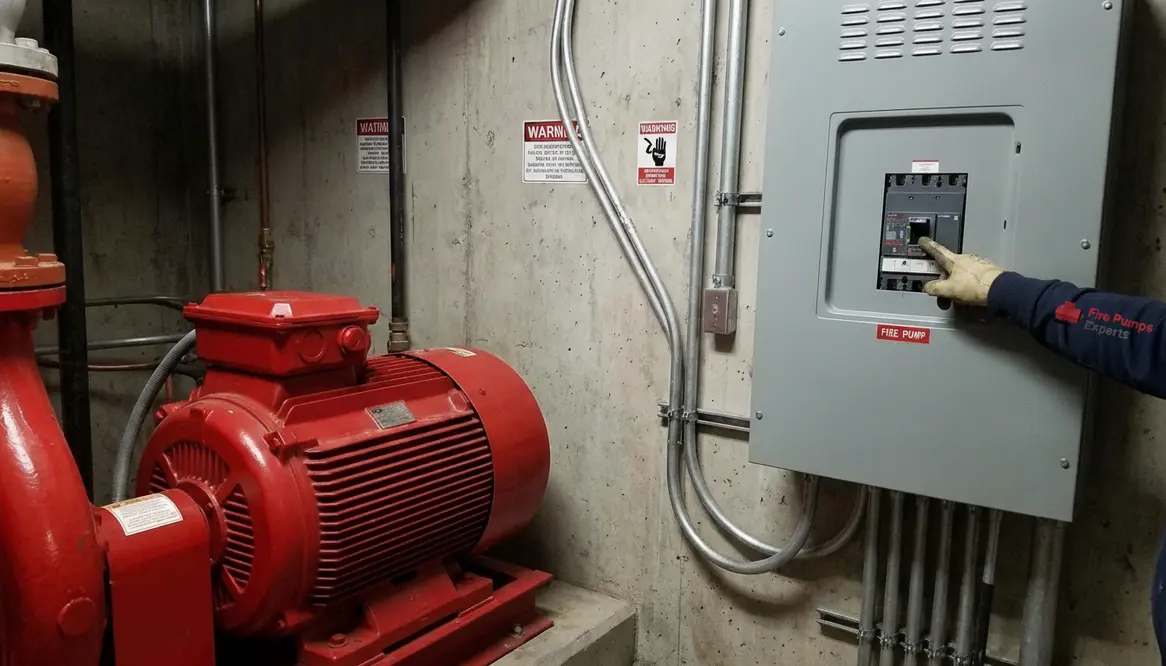
When I review a tripping system, I follow a steady path. First, I confirm whether the trip happens at startup, during run time, or only under load. That timing matters. Next, I inspect the breaker rating, the motor amps, the starter, and the wiring path. Then I test the pump room environment, because heat, moisture, and dust can all affect performance in large facilities.
I also compare recent maintenance logs. If the breaker began tripping after a repair, I look closely at what changed. Sometimes the answer is a new part that was not matched correctly. Other times, it is a connection that looked fine until vibration loosened it. In the world of industrial fire protection, small errors can become expensive lessons. Nobody likes paying for a lesson twice.
How I keep trips from coming back
Once I find the cause, I focus on prevention. I want the system to hold steady when the building needs it most. So I recommend scheduled testing, torque checks on terminals, load verification, and regular inspection of the pump and electrical cabinet. I also confirm that the breaker and starter settings match the actual fire pump design.
In addition, I keep an eye on supporting systems. Cooling, room ventilation, and power quality all matter. A fire pump motor can only perform well when the full setup supports it. For major properties, I think of the system like a chain from end to end. If one link weakens, the whole chain feels it.
FAQ
Why does a fire pump breaker trip during startup?
Usually because of high inrush current, weak breaker sizing, low voltage, or a motor issue.
Can a bad motor cause breaker trips?
Yes. A failing fire pump motor can draw too much current and trip the breaker.
Should I reset a tripped breaker right away?
No. Inspect the cause first so you do not repeat the fault within the fire pump electrical system.
Do loose wires really matter?
Absolutely. Loose connections create heat, resistance, and nuisance trips that can interrupt critical fire pump electrical operation.
How often should a fire pump system be checked?
Regular testing and routine inspections are essential for commercial and industrial sites to help prevent recurring fire pump breaker trips.
Conclusion
If your fire pump breaker keeps tripping, I would not treat it like a minor annoyance. It usually points to a motor, electrical, or load problem that deserves fast attention. For commercial and industrial facilities, the cost of delay can be far greater than the repair itself. So, if you want a safer, steadier system, now is the time to inspect, test, and correct the issue with care. Reach out today and keep your fire protection ready when it matters most.
Electrical issues that usually hide in plain sight
Common electrical causes
Loose terminals, damaged conductors, failing contacts, and poor breaker calibration all create heat and resistance. As a result, the breaker may trip even when the pump itself looks fine.
What I check
I inspect the panel, tighten connections, test voltage balance, review breaker settings, and look for signs of arcing or discoloration. Also, I verify that the fire pump electrical layout follows the required design for the property type.
Electrical failures do not always announce themselves with fireworks. Sometimes they whisper. A slight voltage drop, a warm terminal, or a contact that wears unevenly can cause trouble later. That is why I treat every trip as a clue, not a random event. And yes, the breaker is not being dramatic for fun. It is doing its job, even when its timing feels personal.
What I look for during a system review
When I review a tripping system, I follow a steady path. First, I confirm whether the trip happens at startup, during run time, or only under load. That timing matters. Next, I inspect the breaker rating, the motor amps, the starter, and the wiring path. Then I test the pump room environment, because heat, moisture, and dust can all affect performance in large facilities.
I also compare recent maintenance logs. If the breaker began tripping after a repair, I look closely at what changed. Sometimes the answer is a new part that was not matched correctly. Other times, it is a connection that looked fine until vibration loosened it. In the world of industrial fire protection, small errors can become expensive lessons. Nobody likes paying for a lesson twice.
How I keep trips from coming back
Once I find the cause, I focus on prevention. I want the system to hold steady when the building needs it most. So I recommend scheduled testing, torque checks on terminals, load verification, and regular inspection of the pump and electrical cabinet. I also confirm that the breaker and starter settings match the actual fire pump design.
In addition, I keep an eye on supporting systems. Cooling, room ventilation, and power quality all matter. A fire pump motor can only perform well when the full setup supports it. For major properties, I think of the system like a chain from end to end. If one link weakens, the whole chain feels it.
FAQ
Conclusion
If your fire pump breaker keeps tripping, I would not treat it like a minor annoyance. It usually points to a motor, electrical, or load problem that deserves fast attention. For commercial and industrial facilities, the cost of delay can be far greater than the repair itself. So, if you want a safer, steadier system, now is the time to inspect, test, and correct the issue with care. Reach out today and keep your fire protection ready when it matters most.
How I inspect the fire pump motor load
The fire pump motor often tells the story before the breaker does. First, I look at the motor nameplate and confirm the expected starting and running current. Then I compare that to what the electrical system actually delivers. If the motor draws more than it should, the breaker may react as designed. Still, the real question is why the motor pulls excess current.
Here are the common causes I check first:
Seized bearings or shaft drag that make the motor work too hard
Pump misalignment that adds mechanical stress
Low voltage that forces higher current draw
Phase loss or phase imbalance that hurts motor performance
Damaged windings that create internal faults
Because commercial fire pumps often sit unused for long stretches, small issues can grow unnoticed. Therefore, I always recommend a regular test schedule. A motor that starts fine during a quiet test can still trip a breaker under full demand if the load path has hidden friction or the voltage supply dips.
Electrical issues that usually hide in plain sight
Common electrical causes
Loose terminals, damaged conductors, failing contacts, and poor breaker calibration all create heat and resistance. As a result, the breaker may trip even when the pump itself looks fine.
What I check
I inspect the panel, tighten connections, test voltage balance, review breaker settings, and look for signs of arcing or discoloration. Also, I verify that the fire pump electrical layout follows the required design for the property type.
Electrical failures do not always announce themselves with fireworks. Sometimes they whisper. A slight voltage drop, a warm terminal, or a contact that wears unevenly can cause trouble later. That is why I treat every trip as a clue, not a random event. And yes, the breaker is not being dramatic for fun. It is doing its job, even when its timing feels personal.
What I look for during a system review
When I review a tripping system, I follow a steady path. First, I confirm whether the trip happens at startup, during run time, or only under load. That timing matters. Next, I inspect the breaker rating, the motor amps, the starter, and the wiring path. Then I test the pump room environment, because heat, moisture, and dust can all affect performance in large facilities.
I also compare recent maintenance logs. If the breaker began tripping after a repair, I look closely at what changed. Sometimes the answer is a new part that was not matched correctly. Other times, it is a connection that looked fine until vibration loosened it. In the world of industrial fire protection, small errors can become expensive lessons. Nobody likes paying for a lesson twice.
How I keep trips from coming back
Once I find the cause, I focus on prevention. I want the system to hold steady when the building needs it most. So I recommend scheduled testing, torque checks on terminals, load verification, and regular inspection of the pump and electrical cabinet. I also confirm that the breaker and starter settings match the actual fire pump design.
In addition, I keep an eye on supporting systems. Cooling, room ventilation, and power quality all matter. A fire pump motor can only perform well when the full setup supports it. For major properties, I think of the system like a chain from end to end. If one link weakens, the whole chain feels it.
FAQ
Conclusion
If your fire pump breaker keeps tripping, I would not treat it like a minor annoyance. It usually points to a motor, electrical, or load problem that deserves fast attention. For commercial and industrial facilities, the cost of delay can be far greater than the repair itself. So, if you want a safer, steadier system, now is the time to inspect, test, and correct the issue with care. Reach out today and keep your fire protection ready when it matters most.
Why the breaker trips in the first place
When I look at a tripping fire pump breaker, I start with the basics. The breaker trips to protect the circuit from too much current, a short, or a fault that could damage equipment. That sounds simple, yet the cause often hides in plain sight. A fire pump motor can draw a heavy starting load, especially during startup, so a weak electrical setup may not handle the inrush current well. Also, if the breaker has aged, it may trip too early, much like a tired security guard who sees a shadow and calls it a crisis.
In many commercial buildings, the issue starts with poor sizing. If the breaker does not match the motor load or the pump’s duty, nuisance trips become more likely. However, I also check for loose wiring, heat damage, and worn parts inside the panel. Those problems can build slowly, then show up fast when the pump finally needs to run.
How I inspect the fire pump motor load
The fire pump motor often tells the story before the breaker does. First, I look at the motor nameplate and confirm the expected starting and running current. Then I compare that to what the electrical system actually delivers. If the motor draws more than it should, the breaker may react as designed. Still, the real question is why the motor pulls excess current.
Here are the common causes I check first:
Seized bearings or shaft drag that make the motor work too hard
Pump misalignment that adds mechanical stress
Low voltage that forces higher current draw
Phase loss or phase imbalance that hurts motor performance
Damaged windings that create internal faults
Because commercial fire pumps often sit unused for long stretches, small issues can grow unnoticed. Therefore, I always recommend a regular test schedule. A motor that starts fine during a quiet test can still trip a breaker under full demand if the load path has hidden friction or the voltage supply dips.
Electrical issues that usually hide in plain sight
Common electrical causes
Loose terminals, damaged conductors, failing contacts, and poor breaker calibration all create heat and resistance. As a result, the breaker may trip even when the pump itself looks fine.
What I check
I inspect the panel, tighten connections, test voltage balance, review breaker settings, and look for signs of arcing or discoloration. Also, I verify that the fire pump electrical layout follows the required design for the property type.
Electrical failures do not always announce themselves with fireworks. Sometimes they whisper. A slight voltage drop, a warm terminal, or a contact that wears unevenly can cause trouble later. That is why I treat every trip as a clue, not a random event. And yes, the breaker is not being dramatic for fun. It is doing its job, even when its timing feels personal.
What I look for during a system review
When I review a tripping system, I follow a steady path. First, I confirm whether the trip happens at startup, during run time, or only under load. That timing matters. Next, I inspect the breaker rating, the motor amps, the starter, and the wiring path. Then I test the pump room environment, because heat, moisture, and dust can all affect performance in large facilities.
I also compare recent maintenance logs. If the breaker began tripping after a repair, I look closely at what changed. Sometimes the answer is a new part that was not matched correctly. Other times, it is a connection that looked fine until vibration loosened it. In the world of industrial fire protection, small errors can become expensive lessons. Nobody likes paying for a lesson twice.
How I keep trips from coming back
Once I find the cause, I focus on prevention. I want the system to hold steady when the building needs it most. So I recommend scheduled testing, torque checks on terminals, load verification, and regular inspection of the pump and electrical cabinet. I also confirm that the breaker and starter settings match the actual fire pump design.
In addition, I keep an eye on supporting systems. Cooling, room ventilation, and power quality all matter. A fire pump motor can only perform well when the full setup supports it. For major properties, I think of the system like a chain from end to end. If one link weakens, the whole chain feels it.
FAQ
Conclusion
If your fire pump breaker keeps tripping, I would not treat it like a minor annoyance. It usually points to a motor, electrical, or load problem that deserves fast attention. For commercial and industrial facilities, the cost of delay can be far greater than the repair itself. So, if you want a safer, steadier system, now is the time to inspect, test, and correct the issue with care. Reach out today and keep your fire protection ready when it matters most.
I have seen a fire pump breaker trip at the worst possible moment, and trust me, nobody wants that surprise. In a commercial or industrial building, the fire pump motor, the fire pump electrical system, and the fire pump breaker all need to work in tight sync. When one piece slips, the whole setup can feel like a band where the drummer showed up late and the guitarist forgot the song. In this article, I will walk through the real causes, the warning signs, and the checks that help protect major properties and critical facilities.
When I look at a tripping fire pump breaker, I start with the basics. The breaker trips to protect the circuit from too much current, a short, or a fault that could damage equipment. That sounds simple, yet the cause often hides in plain sight. A fire pump motor can draw a heavy starting load, especially during startup, so a weak electrical setup may not handle the inrush current well. Also, if the breaker has aged, it may trip too early, much like a tired security guard who sees a shadow and calls it a crisis.
In many commercial buildings, the issue starts with poor sizing. If the breaker does not match the motor load or the pump’s duty, nuisance trips become more likely. However, I also check for loose wiring, heat damage, and worn parts inside the panel. Those problems can build slowly, then show up fast when the pump finally needs to run.
How I inspect the fire pump motor load
The fire pump motor often tells the story before the breaker does. First, I look at the motor nameplate and confirm the expected starting and running current. Then I compare that to what the electrical system actually delivers. If the motor draws more than it should, the breaker may react as designed. Still, the real question is why the motor pulls excess current.
Here are the common causes I check first:
Seized bearings or shaft drag that make the motor work too hard
Pump misalignment that adds mechanical stress
Low voltage that forces higher current draw
Phase loss or phase imbalance that hurts motor performance
Damaged windings that create internal faults
Because commercial fire pumps often sit unused for long stretches, small issues can grow unnoticed. Therefore, I always recommend a regular test schedule. A motor that starts fine during a quiet test can still trip a breaker under full demand if the load path has hidden friction or the voltage supply dips.
Electrical issues that usually hide in plain sight
Common electrical causes
Loose terminals, damaged conductors, failing contacts, and poor breaker calibration all create heat and resistance. As a result, the breaker may trip even when the pump itself looks fine.
What I check
I inspect the panel, tighten connections, test voltage balance, review breaker settings, and look for signs of arcing or discoloration. Also, I verify that the fire pump electrical layout follows the required design for the property type.
Electrical failures do not always announce themselves with fireworks. Sometimes they whisper. A slight voltage drop, a warm terminal, or a contact that wears unevenly can cause trouble later. That is why I treat every trip as a clue, not a random event. And yes, the breaker is not being dramatic for fun. It is doing its job, even when its timing feels personal.
What I look for during a system review
When I review a tripping system, I follow a steady path. First, I confirm whether the trip happens at startup, during run time, or only under load. That timing matters. Next, I inspect the breaker rating, the motor amps, the starter, and the wiring path. Then I test the pump room environment, because heat, moisture, and dust can all affect performance in large facilities.
I also compare recent maintenance logs. If the breaker began tripping after a repair, I look closely at what changed. Sometimes the answer is a new part that was not matched correctly. Other times, it is a connection that looked fine until vibration loosened it. In the world of industrial fire protection, small errors can become expensive lessons. Nobody likes paying for a lesson twice.
How I keep trips from coming back
Once I find the cause, I focus on prevention. I want the system to hold steady when the building needs it most. So I recommend scheduled testing, torque checks on terminals, load verification, and regular inspection of the pump and electrical cabinet. I also confirm that the breaker and starter settings match the actual fire pump design.
In addition, I keep an eye on supporting systems. Cooling, room ventilation, and power quality all matter. A fire pump motor can only perform well when the full setup supports it. For major properties, I think of the system like a chain from end to end. If one link weakens, the whole chain feels it.
FAQ
Conclusion
If your fire pump breaker keeps tripping, I would not treat it like a minor annoyance. It usually points to a motor, electrical, or load problem that deserves fast attention. For commercial and industrial facilities, the cost of delay can be far greater than the repair itself. So, if you want a safer, steadier system, now is the time to inspect, test, and correct the issue with care. Reach out today and keep your fire protection ready when it matters most.
Fire Pump Breaker Trips: Causes and Inspection Tips
I have seen a fire pump breaker trip at the worst possible moment, and trust me, nobody wants that surprise. In a commercial or industrial building, the fire pump motor, the fire pump electrical system, and the fire pump breaker all need to work in tight sync. When one piece slips, the whole setup can feel like a band where the drummer showed up late and the guitarist forgot the song. In this article, I will walk through the real causes, the warning signs, and the checks that help protect major properties and critical facilities.
When I look at a tripping fire pump breaker, I start with the basics. The breaker trips to protect the circuit from too much current, a short, or a fault that could damage equipment. That sounds simple, yet the cause often hides in plain sight. A fire pump motor can draw a heavy starting load, especially during startup, so a weak electrical setup may not handle the inrush current well. Also, if the breaker has aged, it may trip too early, much like a tired security guard who sees a shadow and calls it a crisis.
In many commercial buildings, the issue starts with poor sizing. If the breaker does not match the motor load or the pump’s duty, nuisance trips become more likely. However, I also check for loose wiring, heat damage, and worn parts inside the panel. Those problems can build slowly, then show up fast when the pump finally needs to run.
How I inspect the fire pump motor load
The fire pump motor often tells the story before the breaker does. First, I look at the motor nameplate and confirm the expected starting and running current. Then I compare that to what the electrical system actually delivers. If the motor draws more than it should, the breaker may react as designed. Still, the real question is why the motor pulls excess current.
Here are the common causes I check first:
Seized bearings or shaft drag that make the motor work too hard
Pump misalignment that adds mechanical stress
Low voltage that forces higher current draw
Phase loss or phase imbalance that hurts motor performance
Damaged windings that create internal faults
Because commercial fire pumps often sit unused for long stretches, small issues can grow unnoticed. Therefore, I always recommend a regular test schedule. A motor that starts fine during a quiet test can still trip a breaker under full demand if the load path has hidden friction or the voltage supply dips.
Electrical issues that usually hide in plain sight
Common electrical causes
Loose terminals, damaged conductors, failing contacts, and poor breaker calibration all create heat and resistance. As a result, the breaker may trip even when the pump itself looks fine.
What I check
I inspect the panel, tighten connections, test voltage balance, review breaker settings, and look for signs of arcing or discoloration. Also, I verify that the fire pump electrical layout follows the required design for the property type.
Electrical failures do not always announce themselves with fireworks. Sometimes they whisper. A slight voltage drop, a warm terminal, or a contact that wears unevenly can cause trouble later. That is why I treat every trip as a clue, not a random event. And yes, the breaker is not being dramatic for fun. It is doing its job, even when its timing feels personal.
What I look for during a system review
When I review a tripping system, I follow a steady path. First, I confirm whether the trip happens at startup, during run time, or only under load. That timing matters. Next, I inspect the breaker rating, the motor amps, the starter, and the wiring path. Then I test the pump room environment, because heat, moisture, and dust can all affect performance in large facilities.
I also compare recent maintenance logs. If the breaker began tripping after a repair, I look closely at what changed. Sometimes the answer is a new part that was not matched correctly. Other times, it is a connection that looked fine until vibration loosened it. In the world of industrial fire protection, small errors can become expensive lessons. Nobody likes paying for a lesson twice.
How I keep trips from coming back
Once I find the cause, I focus on prevention. I want the system to hold steady when the building needs it most. So I recommend scheduled testing, torque checks on terminals, load verification, and regular inspection of the pump and electrical cabinet. I also confirm that the breaker and starter settings match the actual fire pump design.
In addition, I keep an eye on supporting systems. Cooling, room ventilation, and power quality all matter. A fire pump motor can only perform well when the full setup supports it. For major properties, I think of the system like a chain from end to end. If one link weakens, the whole chain feels it.
FAQ
Conclusion
If your fire pump breaker keeps tripping, I would not treat it like a minor annoyance. It usually points to a motor, electrical, or load problem that deserves fast attention. For commercial and industrial facilities, the cost of delay can be far greater than the repair itself. So, if you want a safer, steadier system, now is the time to inspect, test, and correct the issue with care. Reach out today and keep your fire protection ready when it matters most.
Fire Pump Breaker Trips: Causes and Inspection Tips
I have seen a fire pump breaker trip at the worst possible moment, and trust me, nobody wants that surprise. In a commercial or industrial building, the fire pump motor, the fire pump electrical system, and the fire pump breaker all need to work in tight sync. When one piece slips, the whole setup can feel like a band where the drummer showed up late and the guitarist forgot the song. In this article, I will walk through the real causes, the warning signs, and the checks that help protect major properties and critical facilities.
When I look at a tripping fire pump breaker, I start with the basics. The breaker trips to protect the circuit from too much current, a short, or a fault that could damage equipment. That sounds simple, yet the cause often hides in plain sight. A fire pump motor can draw a heavy starting load, especially during startup, so a weak electrical setup may not handle the inrush current well. Also, if the breaker has aged, it may trip too early, much like a tired security guard who sees a shadow and calls it a crisis.
In many commercial buildings, the issue starts with poor sizing. If the breaker does not match the motor load or the pump’s duty, nuisance trips become more likely. However, I also check for loose wiring, heat damage, and worn parts inside the panel. Those problems can build slowly, then show up fast when the pump finally needs to run.
How I inspect the fire pump motor load
The fire pump motor often tells the story before the breaker does. First, I look at the motor nameplate and confirm the expected starting and running current. Then I compare that to what the electrical system actually delivers. If the motor draws more than it should, the breaker may react as designed. Still, the real question is why the motor pulls excess current.
Here are the common causes I check first:
Seized bearings or shaft drag that make the motor work too hard
Pump misalignment that adds mechanical stress
Low voltage that forces higher current draw
Phase loss or phase imbalance that hurts motor performance
Damaged windings that create internal faults
Because commercial fire pumps often sit unused for long stretches, small issues can grow unnoticed. Therefore, I always recommend a regular test schedule. A motor that starts fine during a quiet test can still trip a breaker under full demand if the load path has hidden friction or the voltage supply dips.
Electrical issues that usually hide in plain sight
Common electrical causes
Loose terminals, damaged conductors, failing contacts, and poor breaker calibration all create heat and resistance. As a result, the breaker may trip even when the pump itself looks fine.
What I check
I inspect the panel, tighten connections, test voltage balance, review breaker settings, and look for signs of arcing or discoloration. Also, I verify that the fire pump electrical layout follows the required design for the property type.
Electrical failures do not always announce themselves with fireworks. Sometimes they whisper. A slight voltage drop, a warm terminal, or a contact that wears unevenly can cause trouble later. That is why I treat every trip as a clue, not a random event. And yes, the breaker is not being dramatic for fun. It is doing its job, even when its timing feels personal.
What I look for during a system review
When I review a tripping system, I follow a steady path. First, I confirm whether the trip happens at startup, during run time, or only under load. That timing matters. Next, I inspect the breaker rating, the motor amps, the starter, and the wiring path. Then I test the pump room environment, because heat, moisture, and dust can all affect performance in large facilities.
I also compare recent maintenance logs. If the breaker began tripping after a repair, I look closely at what changed. Sometimes the answer is a new part that was not matched correctly. Other times, it is a connection that looked fine until vibration loosened it. In the world of industrial fire protection, small errors can become expensive lessons. Nobody likes paying for a lesson twice.
How I keep trips from coming back
Once I find the cause, I focus on prevention. I want the system to hold steady when the building needs it most. So I recommend scheduled testing, torque checks on terminals, load verification, and regular inspection of the pump and electrical cabinet. I also confirm that the breaker and starter settings match the actual fire pump design.
In addition, I keep an eye on supporting systems. Cooling, room ventilation, and power quality all matter. A fire pump motor can only perform well when the full setup supports it. For major properties, I think of the system like a chain from end to end. If one link weakens, the whole chain feels it.
FAQ
Conclusion
If your fire pump breaker keeps tripping, I would not treat it like a minor annoyance. It usually points to a motor, electrical, or load problem that deserves fast attention. For commercial and industrial facilities, the cost of delay can be far greater than the repair itself. So, if you want a safer, steadier system, now is the time to inspect, test, and correct the issue with care. Reach out today and keep your fire protection ready when it matters most.
Fire Pump Breaker Trips: Causes and Inspection Tips
I have seen a fire pump breaker trip at the worst possible moment, and trust me, nobody wants that surprise. In a commercial or industrial building, the fire pump motor, the fire pump electrical system, and the fire pump breaker all need to work in tight sync. When one piece slips, the whole setup can feel like a band where the drummer showed up late and the guitarist forgot the song. In this article, I will walk through the real causes, the warning signs, and the checks that help protect major properties and critical facilities.
When I look at a tripping fire pump breaker, I start with the basics. The breaker trips to protect the circuit from too much current, a short, or a fault that could damage equipment. That sounds simple, yet the cause often hides in plain sight. A fire pump motor can draw a heavy starting load, especially during startup, so a weak electrical setup may not handle the inrush current well. Also, if the breaker has aged, it may trip too early, much like a tired security guard who sees a shadow and calls it a crisis.
In many commercial buildings, the issue starts with poor sizing. If the breaker does not match the motor load or the pump’s duty, nuisance trips become more likely. However, I also check for loose wiring, heat damage, and worn parts inside the panel. Those problems can build slowly, then show up fast when the pump finally needs to run.
How I inspect the fire pump motor load
The fire pump motor often tells the story before the breaker does. First, I look at the motor nameplate and confirm the expected starting and running current. Then I compare that to what the electrical system actually delivers. If the motor draws more than it should, the breaker may react as designed. Still, the real question is why the motor pulls excess current.
Here are the common causes I check first:
Seized bearings or shaft drag that make the motor work too hard
Pump misalignment that adds mechanical stress
Low voltage that forces higher current draw
Phase loss or phase imbalance that hurts motor performance
Damaged windings that create internal faults
Because commercial fire pumps often sit unused for long stretches, small issues can grow unnoticed. Therefore, I always recommend a regular test schedule. A motor that starts fine during a quiet test can still trip a breaker under full demand if the load path has hidden friction or the voltage supply dips.
Electrical issues that usually hide in plain sight
Common electrical causes
Loose terminals, damaged conductors, failing contacts, and poor breaker calibration all create heat and resistance. As a result, the breaker may trip even when the pump itself looks fine.
What I check
I inspect the panel, tighten connections, test voltage balance, review breaker settings, and look for signs of arcing or discoloration. Also, I verify that the fire pump electrical layout follows the required design for the property type.
Electrical failures do not always announce themselves with fireworks. Sometimes they whisper. A slight voltage drop, a warm terminal, or a contact that wears unevenly can cause trouble later. That is why I treat every trip as a clue, not a random event. And yes, the breaker is not being dramatic for fun. It is doing its job, even when its timing feels personal.
What I look for during a system review
When I review a tripping system, I follow a steady path. First, I confirm whether the trip happens at startup, during run time, or only under load. That timing matters. Next, I inspect the breaker rating, the motor amps, the starter, and the wiring path. Then I test the pump room environment, because heat, moisture, and dust can all affect performance in large facilities.
I also compare recent maintenance logs. If the breaker began tripping after a repair, I look closely at what changed. Sometimes the answer is a new part that was not matched correctly. Other times, it is a connection that looked fine until vibration loosened it. In the world of industrial fire protection, small errors can become expensive lessons. Nobody likes paying for a lesson twice.
How I keep trips from coming back
Once I find the cause, I focus on prevention. I want the system to hold steady when the building needs it most. So I recommend scheduled testing, torque checks on terminals, load verification, and regular inspection of the pump and electrical cabinet. I also confirm that the breaker and starter settings match the actual fire pump design.
In addition, I keep an eye on supporting systems. Cooling, room ventilation, and power quality all matter. A fire pump motor can only perform well when the full setup supports it. For major properties, I think of the system like a chain from end to end. If one link weakens, the whole chain feels it.
FAQ
Conclusion
If your fire pump breaker keeps tripping, I would not treat it like a minor annoyance. It usually points to a motor, electrical, or load problem that deserves fast attention. For commercial and industrial facilities, the cost of delay can be far greater than the repair itself. So, if you want a safer, steadier system, now is the time to inspect, test, and correct the issue with care. Reach out today and keep your fire protection ready when it matters most.