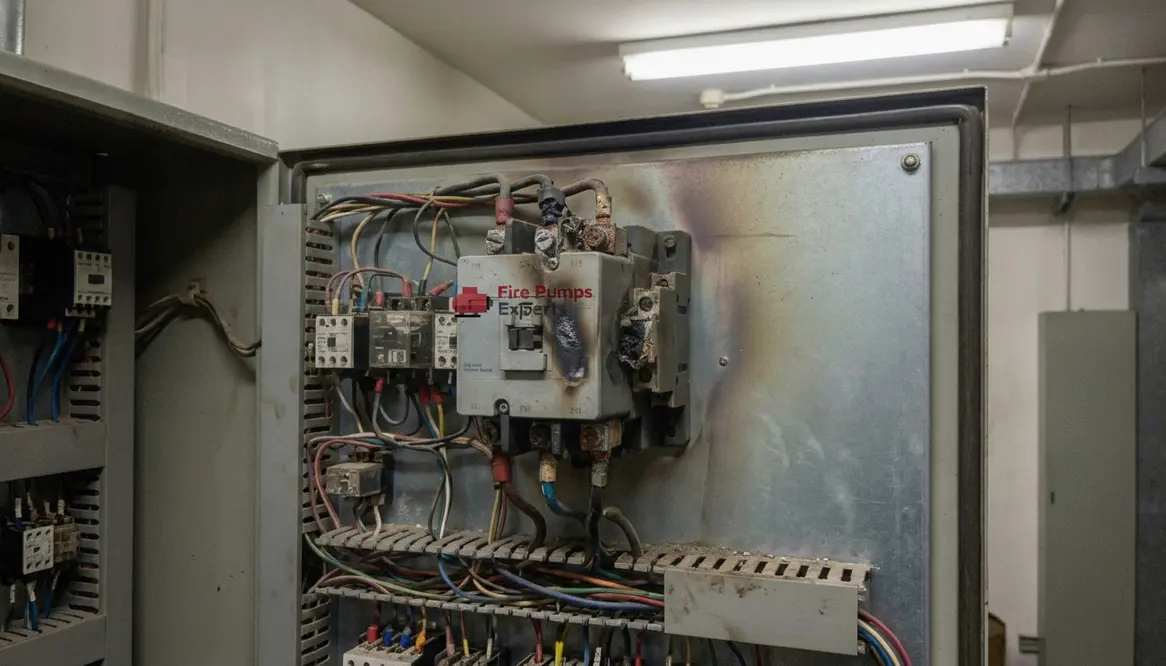
Fire Pump Controller Warning Signs of Contactor Failure
I have seen a fire pump controller do its job quietly for years, and then one day a small contactor failure turns a reliable electric fire pump into a very expensive paperweight. That is not drama. That is the kind of problem that can put commercial and industrial buildings at real risk. In this article, I break down the warning signs, the effects, and what I watch for before a minor issue becomes a full system problem. Think of it as fire protection with a flashlight and a steady hand.
Quick answer: what contactor failure looks like in real life
A failing contactor usually shows itself through heat, noise, delay, and odd pump behavior. I look for burnt marks, humming, chattering, failed starts, and repeated cycling. If the pump does not start cleanly, the system may still look fine on the wall, but inside, it may already be heading for trouble. The villain often wears a suit and tie. In this case, that suit is an electrical component.
Symptoms I check first in a fire pump controller
When I inspect a fire pump controller, I start with the basics, because the basics usually tell the truth. A contactor under stress often leaves clues before it fails fully. For example, I look for these signs:
- Burn marks or melted spots near the contactor
- A loud hum or chatter when the pump should start
- Pitting or corrosion on the contacts
- A warm cabinet door or hot parts inside the panel
- Delayed response when the controller calls for the pump
- Repeated start attempts without smooth pickup
Also, I pay close attention to any smell that reminds me of burnt electronics. It is never a good smell. It sits somewhere between “old toaster” and “something I should have fixed last week.” If I see more than one of these symptoms, I treat the issue as urgent.
Why contactor failure happens in electric fire pump systems
Contactor failure does not usually happen out of nowhere. Instead, it grows from stress, wear, and bad conditions. In an electric fire pump setup, high current can wear contact surfaces over time. Dust, moisture, loose wiring, and poor ventilation make that job harder. So does repeated testing without proper inspection. The contactor works hard, and like any overworked part, it gets tired.
Heat is a major cause. When terminals loosen, resistance rises, and heat builds. Then the contact surfaces begin to pit. After that, the part may weld shut or fail to close at all. At that point, the controller can no longer do its job with confidence. And in fire protection, “close enough” is just a fancy way to invite a headache.
How failure affects the pump and the building
Here is the part that matters most. A bad contactor can stop the pump from starting when the system needs it most. It can also create false starts, unstable operation, or complete power loss to the motor. That means the sprinkler and fire protection plan for a major property may not work as designed during an emergency.
For commercial and industrial sites, the effects reach beyond one bad component. A failed start can trigger alarms, shutdowns, maintenance calls, and compliance problems. In some cases, it can even damage the motor because of repeated electrical stress. I have seen teams focus on the controller cabinet while the real trouble sat behind the panel door, hiding like a bad guest who never got the hint.
What I inspect during a fire pump controller check
Inside the panel
- Contactor face condition
- Terminal tightness
- Heat signs around wiring
- Relay response
- Starter movement
System behavior
- Start delay
- Noise during pickup
- Repeated cycling
- Voltage issues
- Load response under test
I also compare what I see inside the cabinet with what the system does during a test. That helps me catch hidden issues early. If the contactor looks tired and the pump sounds unhappy, I do not need a crystal ball. I already have the evidence.
How I reduce risk before a failure gets worse
I always recommend a planned inspection schedule for fire protection equipment in large buildings. First, I check for heat, wear, and loose connections. Next, I test the controller under proper conditions and confirm that the contactor works cleanly. Then, I review the building’s service history, because repeat problems often point to a deeper issue.
For commercial sites that also need broader system support, I use trusted resources such as commercial electrical support for fire systems and fire sprinkler service solutions to keep the whole protection setup aligned. When I need local fire pump information, I also refer to los angeles fire pump service guidance for site specific planning and support.
FAQ
Conclusion: take the warning signs seriously
I do not wait for a loud failure when a fire pump controller starts showing trouble. Instead, I act early, test carefully, and correct the issue before it affects the building. If you manage a commercial or industrial property, treat contactor problems as a real warning, not a minor nuisance. A small repair today can protect a major facility tomorrow. If you want a closer look at your system, now is the time to schedule a proper inspection and keep your protection ready.