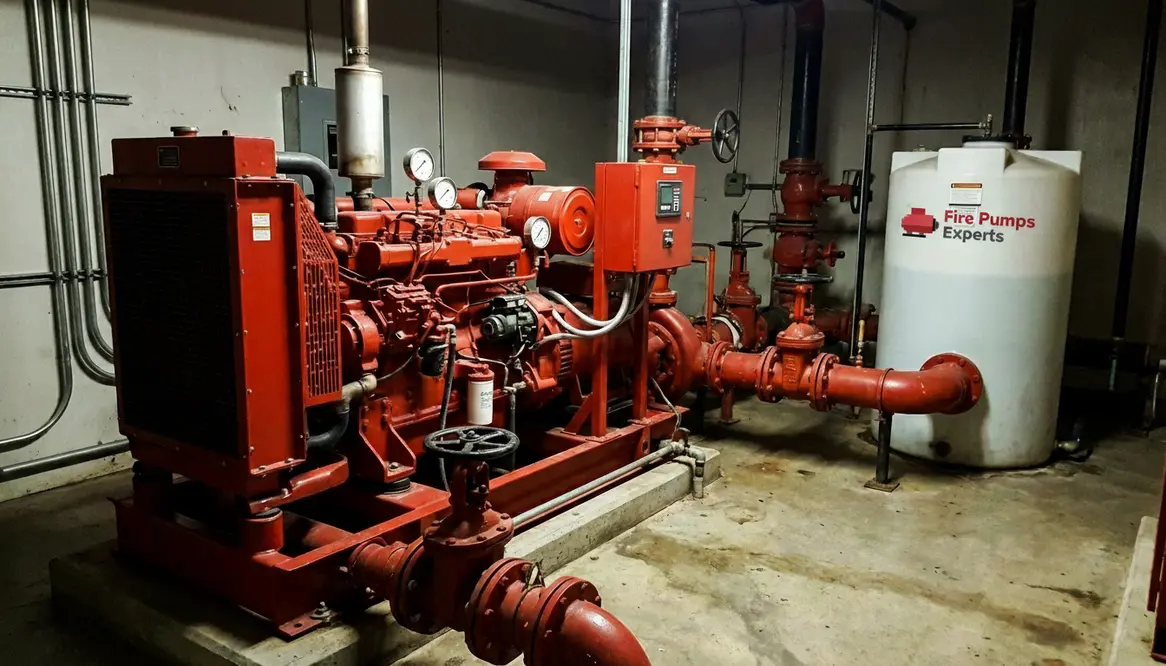
Fire Pump Foam System Performance Guide
I have spent enough time around commercial and industrial fire protection systems to know one thing for certain. When it comes to fire pump foam system performance, there is no room for guesswork. In large facilities and major property buildings, foam water systems do not just respond to fire, they control it with precision. And yet, the real hero behind that response is the fire pump itself. Today, I am going to walk you through what makes these systems perform the way they should, with a steady pace and maybe a small chuckle or two along the way.
What Defines Strong Fire Pump Foam System Performance?
Let me answer this the way most engineers would appreciate. Performance is not about raw power alone. It is about delivering the right flow and pressure at exactly the right moment. In foam water systems, the pump must support both water supply and foam proportioning without hesitation.
Moreover, consistency matters. A fire pump that surges or drops pressure can disrupt foam concentration. That, in turn, weakens the blanket that suppresses flammable liquids. Think of it like making coffee. Too much water and it tastes weak. Too little and you get something closer to regret.
Therefore, performance standards focus on:
- Flow stability during peak demand
- Pressure reliability across all system zones
- Compatibility with proportioning equipment
Each factor plays a role in keeping the system effective under real fire conditions, and together they define practical fire pump foam system performance in the real world.
Key Performance Requirements for Commercial Foam Systems
Now, let us move deeper into what actually drives reliable operation in large scale properties. I always look at three pillars.
1. Capacity Aligned With Hazard Levels
First, capacity must match hazard levels. Industrial facilities storing flammable liquids demand higher flow rates than a typical commercial building. So, the pump must be sized for worst case scenarios, not average days. That sizing is part science, part experience, and 0% wishful thinking.
2. Stable Pressure Across the Facility
Second, pressure must remain steady across multiple discharge points. In large facilities, foam systems often operate across wide areas. Consequently, the pump must overcome friction loss, elevation changes, and simultaneous demand. When pressure swings, so does foam quality, and there goes your carefully planned fire pump foam system performance.
3. Redundancy for Real Emergencies
Third, redundancy is not optional. Backup power sources and secondary pumps ensure the system remains operational even when primary components fail. Because fires do not wait politely for repairs, and they certainly do not care if your generator service is “scheduled for next week.”
How Do Pumps Interact with Foam Proportioning Systems?
This is where things get interesting. Foam systems rely on precise mixing ratios, typically between one and six percent. The fire pump directly influences this balance.
If the pump delivers inconsistent flow, the proportioner struggles to maintain accuracy. As a result, foam quality suffers. And poor foam is about as useful as a screen door on a submarine.
Therefore, I always emphasize calibration and compatibility. The pump curve must align with the proportioning equipment. In addition, system designers must account for pressure losses introduced by foam devices.
When everything works together, the system produces a stable foam blanket that spreads evenly and suppresses vapors effectively. That’s the moment when fire pump foam system performance stops being a design term and becomes a very real, very visible shield over your hazard.
Performance Factors You Cannot Ignore in Large Facilities
Hydraulic Design
The piping network must support required flow without excessive friction loss. Otherwise, even the best pump will struggle. Long runs, tight bends, and mystery valves that “have always been there” can quietly erode fire pump foam system performance when you need it most.
Power Supply
Electric or diesel drivers must deliver uninterrupted operation. In mission critical environments, reliability is everything. Fuel quality, battery condition, and transfer switches are not glamorous topics, but they decide whether the pump actually runs when the lights go out.
Testing Frequency
Routine performance testing ensures the system operates as designed. Skipping tests is like ignoring a check engine light. It feels fine, right up until it doesn’t, and that is a terrible time to discover a stuck valve or a tired driver.
Environmental Conditions
Temperature and storage conditions affect foam concentrate and system components. Freezing, overheating, or long-term exposure to sunlight can quietly turn good concentrate into a useless liquid that only looks the part.
Control Systems
Automation and monitoring systems help maintain consistent operation during emergencies. Clear alarms, remote monitoring, and event logging all contribute to faster response and fewer surprises.
System Integration
The pump must work seamlessly with alarms, valves, and discharge devices. Misaligned signals, closed isolation valves, or confused interlocks can undo carefully planned design in seconds.
Maintaining Fire Pump Foam System Performance Over Time
Even the best designed system will drift if left unchecked. That is just reality. However, proper maintenance keeps everything aligned.
I recommend regular flow testing to verify output against original design specifications. Additionally, inspection of valves, seals, and drivers prevents unexpected failures.
Another critical step involves verifying foam concentrate quality. Over time, foam can degrade. And when that happens, even perfect pump performance cannot compensate.
Furthermore, documentation matters. Keeping accurate records of tests and adjustments helps identify trends before they become problems. Over a few years, that history becomes a roadmap that explains why fire pump foam system performance is improving, holding steady, or slowly slipping off target.
Common Mistakes That Undermine System Performance
I have seen a few patterns over the years, and they tend to repeat themselves.
- Undersized pumps often result from cost cutting during design. Unfortunately, fire events do not respect budgets.
- Ignoring system expansion leads to mismatched demand as facilities grow. What worked five years ago may not work today.
- Poor coordination between components creates inefficiencies. A high performance pump paired with incompatible proportioning equipment is like putting racing tires on a bicycle.
Each of these issues chips away at reliability, often quietly until the worst possible moment. Regular design reviews, especially when operations change, can keep fire pump foam system performance aligned with the actual risks sitting in your tanks, warehouses, and process areas.
FAQ: Fire Pump and Foam System Performance
A few of the questions that come up most often deserve their own spotlight.
Final Thoughts and Next Steps
When I look at fire pump foam system performance, I see more than machinery. I see a system that must respond flawlessly under pressure. If you manage a commercial or industrial facility, now is the time to review your system, test its limits, and ensure it meets today’s demands. Connect with professionals who understand these systems deeply and keep your property protected with confidence. When in doubt, start with a structured assessment, compare current test results to original design, and do not be shy about bringing in a specialist from a dedicated resource such as https://firepumps.org for additional guidance.