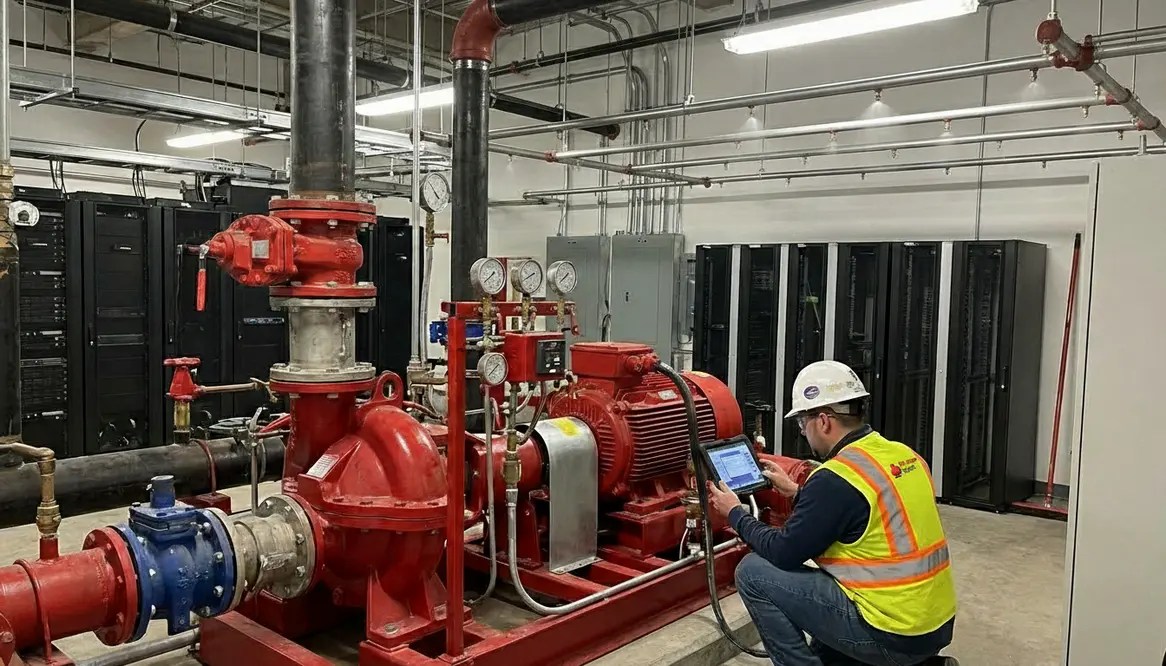
Fire Pump Water Mist System Requirements Guide
I have spent enough time around high stakes fire protection systems to know one thing for sure. When we talk about fire pump water mist system requirements, we are not just checking boxes. We are shaping the backbone of safety in complex commercial and industrial environments. Within the first moments of a fire event, the right pump setup can mean the difference between controlled suppression and a scene that looks like something out of a blockbuster disaster film. And while I enjoy a good action movie, I would rather not see one unfold inside a data center or refinery.
Understanding Fire Pump Water Mist System Requirements in High Risk Facilities
In specialized applications, water mist systems behave differently than traditional sprinklers. They rely on fine droplets, precise pressure, and consistent delivery. Therefore, the pump must meet strict performance criteria.
First, I always look at pressure consistency. Water mist systems require higher pressure ranges than standard systems, often exceeding 100 psi depending on design. Without stable pressure, the mist will not atomize properly. Consequently, fire suppression becomes less effective.
Next comes flow control. Unlike systems that rely on volume, mist systems demand precision. Too much flow wastes water and energy. Too little compromises safety. I like to think of it like making espresso. Get the pressure and flow wrong, and you end up with something nobody wants.
Additionally, redundancy matters. In critical facilities like hospitals or industrial plants, I never rely on a single pump. Backup systems ensure continuity, especially when uptime is non negotiable.
How Do I Size a Fire Pump for a Water Mist System?
I approach sizing with a mix of engineering discipline and practical caution. First, I calculate the total demand based on nozzle requirements and system zones. Then, I factor in pressure losses across piping, valves, and elevation changes.
However, I do not stop there. I also consider future expansion. Facilities evolve, and systems must keep up. Oversizing slightly, within reason, prevents costly upgrades later.
Moreover, I always verify compliance with NFPA standards and manufacturer specifications. Ignoring these is like assembling furniture without instructions. Sure, you might finish, but something will definitely wobble.
Key Design Factors That Shape Performance
Every successful installation rests on a few critical design choices. I focus on these elements early because they influence everything downstream.
Pump Type Selection
Electric pumps work well for stable power environments. Diesel driven pumps, on the other hand, offer reliability when power loss is a concern. I choose based on facility risk profile.
Material Durability
Corrosion resistance is essential, especially in industrial settings. Stainless steel components often outperform alternatives in harsh environments.
Control Systems
Modern systems integrate smart controllers. These allow real time monitoring and faster response. Frankly, if your system still feels like it belongs in the 90s, it might be time for an upgrade.
Energy Efficiency
While safety comes first, operational cost matters. Efficient pumps reduce long term expenses without compromising performance.
Comparing Standard vs Specialized System Demands
Standard Systems
- Lower pressure requirements
- Higher water volume usage
- Simpler pump configurations
- Less sensitive to pressure fluctuations
Water Mist Systems
- High pressure precision
- Reduced water consumption
- Advanced pump controls
- Strict performance tolerances
This comparison highlights why fire pump water mist system requirements demand more attention. The margin for error is smaller, and the expectations are higher.
Installation Realities in Commercial and Industrial Buildings
Installing these systems in large scale facilities is never a plug and play situation. I often deal with space constraints, existing infrastructure, and operational downtime concerns.
Therefore, I coordinate closely with engineers, contractors, and facility managers. Planning around active operations requires precision. Shutting down a production line or data center is not an option most days.
Additionally, vibration control and noise reduction come into play. A poorly installed pump can create issues that ripple across the building. And trust me, nobody enjoys a pump that sounds like it is auditioning for a heavy metal band.
Finally, I ensure accessibility for maintenance. Because even the best systems need regular care, and no one wants to crawl through a maze of pipes just to reach a control panel.
Maintenance and Compliance Keep Systems Ready
Once installed, the job is far from over. I treat maintenance as an ongoing commitment rather than a checklist item.
Routine inspections verify pressure levels, flow rates, and component integrity. In addition, I test backup systems regularly. A backup that fails during an emergency is not a backup. It is a liability.
Compliance also plays a major role. Standards evolve, and systems must adapt. I stay current with codes to ensure continued performance and safety.
Moreover, digital monitoring tools now allow predictive maintenance. These systems flag issues before they escalate. It feels a bit like having a crystal ball, only backed by data instead of guesswork.
Why Fire Pump Water Mist System Requirements Deserve Extra Attention
Across data centers, refineries, pharmaceutical plants, and high rise complexes, the stakes around fire pump water mist system requirements keep rising. Equipment density increases, tolerance for downtime shrinks, and regulatory pressure gets tighter. The pump, once treated as a supporting actor, is now central to performance, compliance, and risk management.
Pressure stability, redundancy, smart controls, and forward looking sizing decisions are no longer “nice to have.” They are the baseline if you expect your system to behave when it is needed most. Getting those details wrong can turn a finely engineered water mist layout into an expensive collection of underperforming hardware.
If you are mapping out upgrades, reviewing retrofits, or benchmarking new projects, treat fire pump water mist system requirements as a design driver, not an afterthought. That mindset shift alone often separates resilient protection strategies from systems that only look impressive on paper.
Additional Resources for High Performance Water Mist Pump Design
For engineers and facility teams working through fire pump water mist system requirements in detail, modern references and case studies help shorten the learning curve. Industry standards such as NFPA 750 for water mist systems, combined with manufacturer documentation, provide the technical baseline. From there, real world experience fills the gaps between what the book says and what an existing plant or campus will actually tolerate during installation and commissioning.
Specialist organizations and technical hubs, including resources like https://www.firepumps.org, can be useful starting points when you are comparing pump technologies, reviewing control strategies, or validating performance assumptions against similar facilities.
FAQ
Conclusion
When I design or evaluate these systems, I focus on precision, reliability, and long term performance. The right approach to fire pump selection protects more than assets. It protects people and operations. If you manage a commercial or industrial facility, now is the time to review your system and ensure it meets modern demands. Connect with experts who understand the details and can help you build a safer, smarter fire protection strategy.