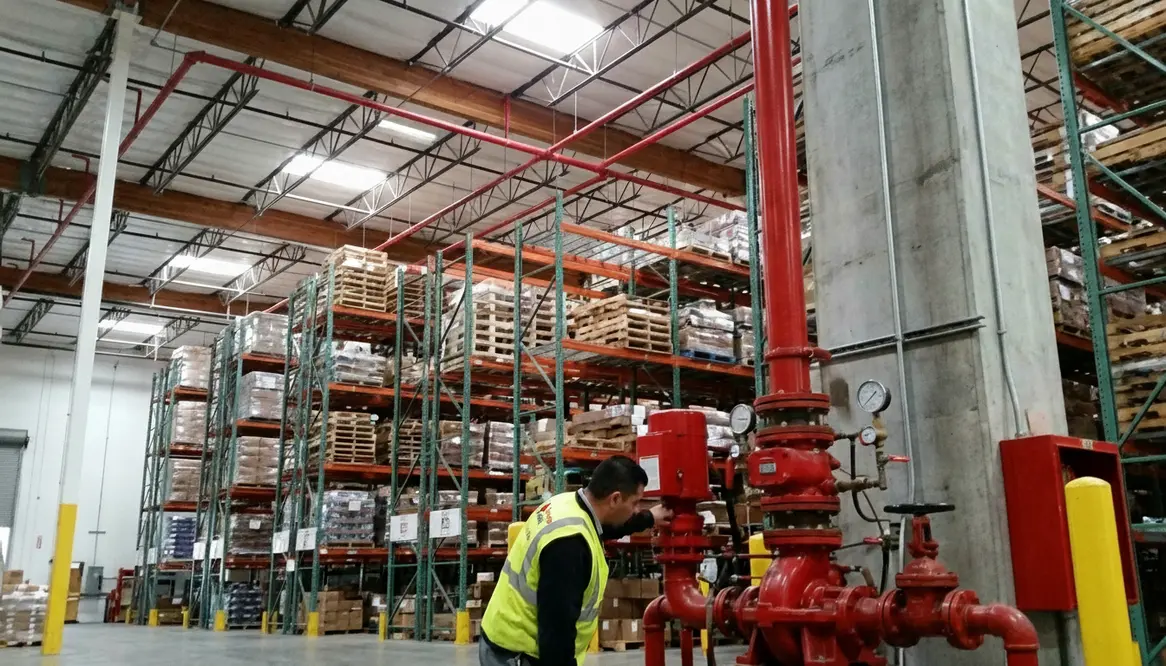
Fire Pump High Ceiling Fullerton Performance Guide
I have spent enough time in large commercial buildings to know one thing for certain. The higher the ceiling, the more unforgiving fire safety becomes. When I talk about fire pump high ceiling Fullerton facilities, I am not just talking about bigger pipes and louder motors. I am talking about precision, pressure, and a system that behaves like a calm professional under stress. Think less action movie chaos and more seasoned firefighter who has seen it all and still makes it home for dinner.
In Fullerton, where industrial properties and large scale facilities stretch upward, fire pump performance must rise to meet the challenge. And trust me, gravity is not on your side here. So let us walk through what really matters when ceilings climb and expectations climb even higher.
Why High Ceilings Change the Game for Fire Protection
High ceilings look impressive. They also quietly increase risk. As heat rises, smoke and fire spread differently, and therefore suppression takes longer to engage effectively. Because of this, I always approach these buildings with a different mindset.
First, water must travel farther. That means pressure losses increase, and any weakness in the system becomes obvious very quickly. Additionally, sprinkler activation can delay since heat takes longer to concentrate at higher levels. As a result, the fire pump carries more responsibility in those critical early moments.
And let me be clear, a standard setup that works in a low rise office will struggle here. It is like asking a sedan to tow a freight train. Technically possible in a cartoon, but not in real life.
How do fire pumps perform in high ceiling facilities in Fullerton
In my experience, performance comes down to consistency under pressure. A properly designed fire pump high ceiling Fullerton system must deliver stable flow rates even when demand spikes suddenly.
Moreover, these systems must overcome vertical lift and friction loss without hesitation. I often emphasize pump curve accuracy because guessing here is not an option. When fire protection depends on seconds, the pump cannot afford a bad day.
Equally important, controllers and backup power must respond instantly. Fullerton facilities, especially industrial ones, often run around the clock. Therefore, downtime is not just inconvenient. It is unacceptable.
What I focus on
- Accurate pressure calculations
- Reliable power supply systems
- Routine performance testing
- Compliance with local codes
What I avoid
- Oversized pumps that waste energy
- Undersized systems that fail under load
- Ignoring elevation impact
- Delayed maintenance schedules
Designing Fire Pump Systems for Tall Structures
Design is where everything begins. And yes, this is where I get a little dramatic because a poor design will haunt a building longer than a catchy pop song from the early 2000s.
I start with hydraulic calculations tailored specifically to the building height and layout. Then, I factor in hazard classification because a warehouse full of electronics behaves very differently from one storing paper goods.
Next, I consider pump type. Split case pumps often provide reliability for large commercial properties, while vertical turbine pumps step in when water supply conditions demand it. Each choice must match the facility, not the other way around.
Finally, I ensure redundancy. Because if one component fails, the system should not fold like a lawn chair at a backyard barbecue.
Maintenance Strategies That Keep Systems Sharp
A fire pump that looks good on paper means nothing if it cannot perform during an emergency. That is why I treat maintenance like a non negotiable routine rather than a suggestion.
Weekly churn tests, monthly inspections, and annual flow tests are essential. However, I go deeper by analyzing trends over time. Subtle drops in pressure or unusual vibration patterns often signal future problems.
Additionally, I always remind facility managers that high ceiling environments place extra demand on components. Seals, bearings, and controllers wear differently under these conditions. So staying ahead of issues saves both money and stress.
And honestly, ignoring maintenance is like ignoring a check engine light. It does not fix itself. It just waits for the worst possible moment to prove a point.
Common Pitfalls in fire pump high ceiling Fullerton Facilities
I have seen a few patterns repeat themselves, and they are worth calling out.
First, underestimating pressure requirements. This mistake shows up quickly during inspections. Second, improper zoning in sprinkler systems, which leads to uneven coverage. Third, relying on outdated equipment that cannot meet modern demands.
Another issue involves poor coordination between fire protection systems and building design. When architects and engineers do not align early, the result is a system that struggles to perform efficiently.
In Fullerton, where commercial and industrial properties continue to evolve, staying current is not optional. It is the baseline. If a fire pump high ceiling Fullerton project is still running on yesterday’s assumptions, it is already behind.
Modern code expectations, evolving hazard profiles, and changing facility usage all demand attention. A fire pump high ceiling Fullerton installation that was acceptable fifteen years ago may now fall short of performance benchmarks and available technology.
FAQ About Fire Pump Performance in High Ceiling Buildings
High ceiling projects are full of moving parts, but a few questions show up over and over again. These are the ones I hear most often from facility managers, owners, and the occasional very curious maintenance tech.
Conclusion and Next Steps
If you manage or own a commercial or industrial facility in Fullerton, now is the time to take a closer look at your system. A well tuned fire pump is not just equipment. It is your first line of defense when everything else goes wrong. I encourage you to evaluate performance, review your design, and invest in reliability. Because when the ceiling is high, expectations should be even higher. And frankly, your building deserves nothing less.
If you want to dig deeper into technical standards, NFPA documentation and resources like https://firepumps.org are a solid start. But nothing replaces a tailored review of your own fire pump high ceiling Fullerton setup, with real data, real test results, and a plan that respects the height, risk, and reality of your building.